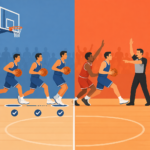

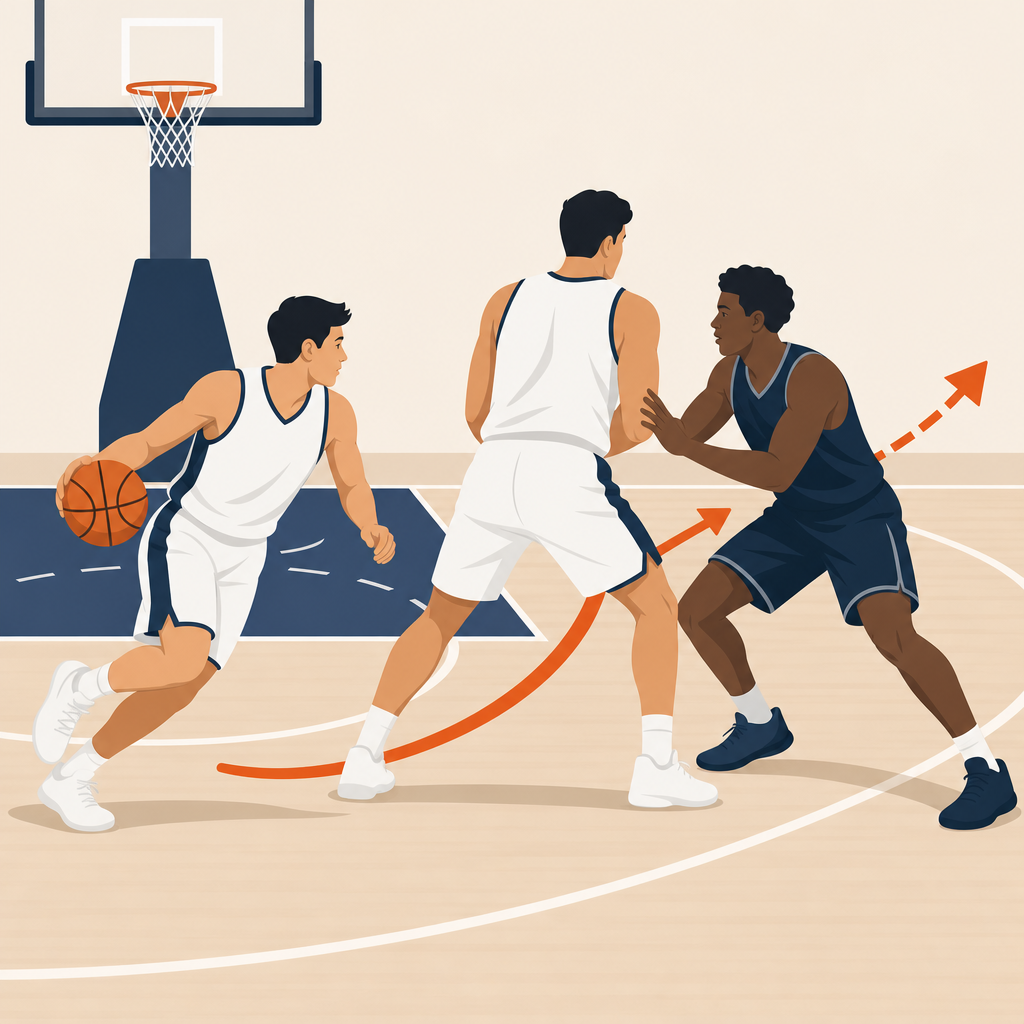
Setting a screen is one of the simplest actions in basketball, yet it is also one of the most misunderstood. Many players think a good screen means hitting a defender hard or standing in the way for a second. In reality, screens that actually free teammates depend on basketball IQ, timing, spacing, body angle, balance, communication, and understanding how the defense is trying to guard the action. When those fundamentals are right, a screen creates separation without needing a fancy move. When they are wrong, the play stalls, the screener picks up an offensive foul, or the ball handler drives into traffic.
In my experience coaching and breaking down film, teams improve their half-court offense fastest when they learn how to screen with purpose. A screen is any legal effort to impede a defender by establishing position without extending the arms, hips, or legs outside a normal stance. The player setting it is the screener, and the teammate using it is the cutter or ball handler. On-ball screens happen for the dribbler. Off-ball screens free shooters, slashers, and post players away from the ball. Both demand the same core habits: arrive early, get set, choose the correct angle, make contact legally, and react after the screen.
This matters because modern defenses are organized. They switch, top-lock, ice side pick-and-rolls, stunt from the nail, and pre-rotate from the weak side. You do not beat those coverages by running harder alone. You beat them by making defenders process two threats at once. A strong screen forces indecision, and indecision creates open jumpers, paint touches, slips, seals, and offensive rebounds. For any player building true basketball skills, screening belongs in the center of IQ and fundamentals, not as a side detail.
What Makes a Screen Effective Instead of Empty
An effective screen gives your teammate an advantage, not just a route. That distinction is critical. If your guard comes off your pick and still has the defender attached on the top hip, the screen did not do enough. If your shooter curls off a pin-down with no shoulder-to-hip contact on the defender, the defender can recover cleanly. The best screeners think in terms of angles and defender paths. Your job is to block the route the defender wants most and force the route the offense wants.
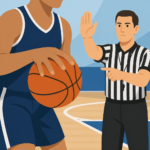
That starts with sprinting into the action, then stopping on balance. Coaches often say, “slow to screen,” but that phrase is incomplete. You should sprint to arrive, then come to a complete stop with a wide base, chest upright, hands protecting the body, and feet set before contact. Under FIBA and NFHS principles, moving into a defender late or leaning at impact is a common reason screens become illegal. The screen must be seen on film as a stationary obstacle, not a drifting collision.
Distance also matters. Many young players set screens too far away because they are afraid of contact. That helps the defense. A useful target is to set the screen close enough that your teammate can brush shoulder-to-shoulder off your body. If there is daylight between the cutter and the screener, there is daylight for the defender. You are not trying to create a lane around the screen; you are trying to narrow the lane so the defender must choose between chasing over, going under, switching, or calling help.
Communication finishes the setup. A simple verbal cue like “screen left” or “use me” matters, especially in youth, high school, and pickup settings where noise and confusion ruin timing. Elite teams also use hand signals and eye contact. The screener should know whether the ball handler wants the pick flat, angled, or flipped, and whether the shooter wants to curl, fade, or reject the screen. Clear information turns a static action into a coordinated advantage.
Footwork, Body Angle, and Legal Contact
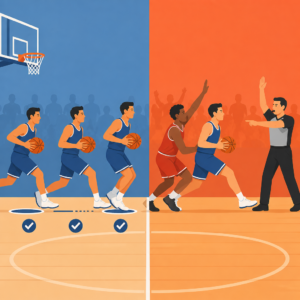
Footwork is the foundation of every legal screen. If your feet are still moving as the defender hits you, referees often call an offensive foul, and defenders learn they can exaggerate the contact. The best teaching cue is jump stop, chin over chest, knees bent, and hold your line. Avoid widening the base after arriving. That last-second step is where many players get whistled. Keep elbows tight and do not turn your hips into the defender. Your torso should absorb the contact, not your lean.
Body angle determines what option you remove. On a side ball screen, if you point your chest toward the sideline and set too parallel to the defender, you may accidentally invite the defense to force the ball away from the middle. If the goal is to get the dribbler downhill, the screen usually needs to be angled to put the defender on your back and open the inside shoulder of the ball handler. On a pin-down for a shooter, the screener’s inside foot and shoulder should often take away the direct chase line to the wing or corner.
Contact should be real but controlled. Screeners who flinch before impact create a gap. Screeners who seek a hit with the shoulder usually foul. The right feel is sturdy and still. Think of becoming a wall for one beat, then reacting. In film sessions, I look for whether the defender’s path changes. If the route bends, hesitates, or forces a switch, the screen likely worked. If the defender runs untouched in a straight line, the angle or distance was wrong even if the screener felt physical.
Here is a practical breakdown players can use in games and workouts.
| Situation | Good Screen Habit | Common Mistake | Result |
|---|---|---|---|
| Ball screen at the top | Set feet early and angle defender onto your back | Screen too flat or too high | Guard cannot turn the corner |
| Wing pin-down | Arrive low, wide, and close to defender path | Leave space between screener and cutter | Defender shoots the gap |
| Back screen | Screen defender’s vision line, then seal or open | Move into defender late | Offensive foul or no advantage |
| Step-up screen | Flip hips after arriving and send dribbler middle | Start moving during contact | Illegal screen |
| Rescreen | Pause, reset feet, change angle | Rush into second contact | Two defenders stay attached |
Timing, Spacing, and Reading the Defense
Even perfect technique fails with bad timing. The screen should arrive when the teammate is ready to use it, not five seconds early. If you stand too long, defenders call it out and adjust their stance. If you arrive late, the ball handler has already picked up the dribble or the cutter has lost the window. Great screeners watch pace. They know when the dribbler is setting up the defender with a hesitation and when a shooter is about to plant the outside foot to explode off a curl.
Spacing determines whether the screen creates a clean read or crowds the floor. If the ball screen is too close to the sideline, the defense can trap. If weak-side teammates stand high and near the action, their defenders can help and recover. NBA and EuroLeague teams emphasize corners filled, slot spacing clean, and dunker spot occupied with purpose because those alignments punish extra help. At lower levels, simply moving one non-shooter out of the strong-side lane can turn a mediocre screen into a layup.
Reading coverage is what separates fundamental screeners from smart ones. Against a switch, the screener should immediately look to seal the smaller defender or create a short-roll passing window. Against drop coverage, the screener must hold contact an extra beat to spring the ball handler into space for a pull-up, floater, or pocket pass. Against an aggressive hedge, slipping early can be better than full contact because the help defender has committed upward. Against teams that go under, the dribbler may need a re-screen angled lower to force the defender over the top.
Off-ball reads matter just as much. If a defender top-locks a shooter and sits above the screen to deny the route, the correct answer is often a back cut, not fighting over the screen anyway. If the defense switches a down screen, the screener can duck in and post the mismatch. If the help defender tags the roller from the corner, the offense should know that the corner three is open. Smart screening is never isolated from the rest of team offense; it is connected to spacing, passing, and decision-making on the next action.
On-Ball Screens: Pick-and-Roll, Re-Screens, and Short Rolls
On-ball screens are the clearest example of how fundamentals and IQ meet. The screener starts by locating the defender guarding the ball. Your angle should attack that defender’s route, not just stand near the dribbler. Most guards prefer the screener’s inside hip as the guide point. Tell them which side the screen is on, get set, and let them drag their defender into you. If you leave early, you ghost the action unintentionally and remove the advantage.
After contact, the second job begins. Roll, pop, or short roll based on personnel and coverage. Traditional rollers dive to the rim, forcing the low defender to tag. Popping bigs space behind the line, which is valuable if they shoot well enough to punish late closes. The short roll, usually stopping around the foul line area, is one of the best counters to blitzes and hedges because it creates a 4-on-3. Draymond Green has built entire playoff possessions on catching there and making the next pass to a dunker or corner shooter.
Re-screens are underused at youth and amateur levels. If the defense goes under the first screen and the ball handler cannot shoot immediately, do not drift away. Flip the angle, reset your feet, and screen again. That second action catches defenders before they recover their stance. It also changes the coverage call. A team icing the first side pick-and-roll may struggle when the ball handler snakes back into a re-screen toward the middle. The key is discipline: pause, get legal, then create the new angle.
One more detail matters on ball screens: screen the screener’s defender when possible. If your defender is already sagging in the paint, a shallow or soft screen will not create much. Pull that defender up the floor first. Make them honor your body and route. Good offense makes help defenders travel farther, and every extra step they take opens passing windows.
Off-Ball Screens: Pin-Downs, Back Screens, Flare Screens, and Hammer Action
Off-ball screening is where teams manufacture clean looks for players who do not need the ball to impact the game. Pin-downs free shooters from the block or dunker spot up to the wing. The screener must arrive below the defender’s line, get set, and understand the possible reads: curl if the defender trails, fade if the defender shoots under, or reject and back cut if the defender jumps to the high side. Klay Thompson built a career on reading these tiny advantages before the pass even arrived.
Back screens are powerful because they attack vision. Defenders tend to watch the ball, so screening from behind or the blind side can create direct layups. The screener should aim at the defender’s shoulder line and hold the angle long enough for the cutter to clear. After the cut, many offenses teach the screener to open to the ball or seal. That second movement matters because weak-side help often rotates to the cutter, leaving the screener available at the rim.
Flare screens send a shooter away from the ball toward the sideline or corner. They work well against gap defenders who over-help into the lane. The angle is different from a pin-down; you are blocking a diagonal closeout route rather than a straight chase line. Hammer action, common in pro spacing systems, combines baseline drive with a weak-side back or flare screen for the corner shooter. It looks advanced, but the underlying principle is basic: use a screen to occupy the helper who wants to rotate to the corner.
For role players, off-ball screens are often the fastest path to real minutes. You may not get ten isolations a game, but you can generate value every possession by freeing a shooter, screening in transition, and creating switches that lead to paint touches. Coaches trust players who screen accurately because those players make lineups function.
Common Mistakes, Drills, and How to Build Better Screening Habits
The most common mistakes are easy to spot: moving at contact, poor angle, too much space between screener and user, screening without a plan, and leaving early before the teammate has gained an advantage. Another major issue is setting screens for the offense instead of for the defender. Players often go to a diagrammed spot and stop, even when the defender is nowhere near the intended line. Screens must be adjusted to where the defense actually is.
Fixing those habits requires specific drills. Start with stationary angle work using cones to represent defender paths. Teach players to align chest, feet, and hips to remove the correct route. Then add a live defender and demand shoulder-to-shoulder usage by the cutter. In pick-and-roll drills, score the rep only if the ball handler comes off tight and the screener reacts correctly after contact. In off-ball work, use read-based reps: curl, fade, reject, or back cut based on the defender’s top foot and body position.
Film study accelerates improvement because screening mistakes are clearer on replay than in the moment. Pause before contact and ask three questions: was the angle right, was the screen legal, and did it create an advantage? Then watch the possession one second later. Great teams grade screen assists, hockey assists from short rolls, and missed opportunities after switches because the value of a screen often appears in the next pass, not the first shot.
To become a better screener, commit to details that do not always show in the box score. Sprint into position. Get set. Make your teammate use your body. Read the coverage. React with purpose. If you treat screens as a core basketball skill, you will free teammates more often, reduce empty possessions, and make every lineup easier to coach. Start applying these fundamentals in your next workout, then connect them to the rest of your Basketball Skills development so your IQ and fundamentals grow together.
Frequently Asked Questions
What makes a basketball screen actually effective instead of just looking physical?
An effective screen is not about making loud contact or trying to knock a defender off course. It is about creating a real advantage for your teammate by taking away the defender’s path at the right moment and from the right angle. The best screens work because of timing, positioning, balance, and decision-making. If you arrive too early, the defense has time to adjust. If you arrive too late, your teammate is already forced into a tougher move. If your body angle is wrong, the defender can slip around you without losing position. That is why great screeners think one step ahead. They understand where the defender wants to go and place their body in a way that makes that route difficult.
Another key part of effectiveness is being stationary and under control. At every level of basketball, moving into a defender at the last second usually leads to offensive fouls or ineffective contact. A good screener gets set, widens their base, keeps their chest up, and gives their teammate a clean surface to use. Instead of chasing contact, they create legal, stable space. The result is not always dramatic, but it is powerful because it gives the ball handler or cutter a fraction of a second of separation. In basketball, that small window is often enough for a drive, shot, or pass to develop.
Communication and reading the defense also matter. If the defense switches everything, the screen may be effective because it forces a mismatch. If the defender is trailing tightly, the screen may create an open pull-up or lane to the basket. If the defender is going under, the screener may need to adjust the angle to make that route longer. So the screen itself is only part of the action. What makes it truly effective is how well it fits the defensive coverage and how well the screener and teammate work together to turn that moment into an advantage.
Why is timing so important when setting a screen?
Timing is often the difference between a screen that frees a teammate and a screen that does nothing. Even if your technique is solid, bad timing can ruin the play. A screen must happen when the defender is still vulnerable and before the offense loses its advantage. If you set it too early, the defender sees it coming and can call out the coverage, change direction, or simply reposition. If you set it too late, your teammate may already be pressured, stopped, or driven into a bad angle. Good timing makes the defender react under stress instead of with preparation.
One of the biggest mistakes players make is sprinting into a screen location without considering what the ball handler or cutter is doing. A good screener matches their movement to the teammate’s pace. For an on-ball screen, that means arriving just as the ball handler is ready to use it. For an off-ball screen, it means waiting until the cutter’s defender is engaged and less able to anticipate the route. This requires patience. Many young players want to screen immediately, but skilled players understand that waiting half a second can make the difference between traffic and open space.
Timing also includes how long you hold your position and when you leave the screen. You need to be set long enough for your teammate to use you, but once the advantage is created, your job may shift to rolling, popping, sealing, or re-screening. Leaving too soon makes the screen easy to avoid. Staying too long without purpose can clog the floor. The best screeners are constantly aware of the rhythm of the play. They know when to arrive, when to hold, and when to move, all while staying connected to what the defense is trying to take away.
How should you angle your body so a teammate can actually use the screen?
Body angle is one of the most overlooked details in screening, but it has a huge impact on whether the screen works. A screen should not just put your body near a defender. It should take away the route the defender wants to use. That means your feet, hips, and shoulders should be positioned to make the defender’s recovery path longer and more difficult. If your angle is too flat or too open, the defender can slip through with very little delay. If your angle properly blocks the defender’s direct line, your teammate gets a cleaner path to attack.
For example, on a ball screen, you usually want to screen the defender in a way that encourages the ball handler to rub shoulders with you as they come off. If there is too much space between the dribbler and the screener, the defender can squeeze through. If the screen is aimed poorly, the defender can go under or around without much trouble. On off-ball screens, your angle should match the cutter’s destination. If your teammate is coming off for a curl, flare, or back cut, your body position should support that specific route rather than forcing them into an awkward line. Great screeners think about where the teammate wants to go next, not just where the defender is standing right now.
Balance is tied closely to angle. You want a wide, stable base, bent knees, and a strong core so you can hold your spot legally without leaning. If you lean into the defender or adjust too late, you give the official an easy call and the defender an easier escape. The goal is to be solid, not stiff; controlled, not passive. Good angle plus good balance turns an ordinary screen into one that truly shapes the defender’s movement and gives the offense an immediate edge.
What should the teammate using the screen do to make it more effective?
A screen is a two-player action, and even a perfectly set screen can fail if the teammate does not use it well. The player receiving the screen has to set up their defender first. That usually means forcing the defender to commit to a side, changing pace, or taking a step that makes the screen harder to avoid. If the ball handler or cutter runs casually into the screen without threatening anything, the defender has an easy read. But if they attack with purpose, stay tight to the screener, and use a sudden change of speed, the screen becomes much more dangerous.
Using the screen tightly is critical. Many players drift too wide and leave a gap between themselves and the screener. That gap is exactly what defenders want because it gives them room to chase over or slide through. The teammate should come off close enough that the defender feels the screen’s impact on their path. On-ball, that often means shoulder-to-hip proximity as the dribbler turns the corner. Off-ball, it means cutting with conviction and not rounding the route so much that the defense recovers easily. Precision matters here more than speed alone.
The player using the screen also has to read the defense instead of deciding everything in advance. If the defender goes under, they may need to stop for a shot or re-use the screen. If the defense switches, they should recognize the mismatch or look for the screener slipping into open space. If two defenders jump the ball, they need to make the simple pass quickly. Great screening actions happen when both players are connected mentally. The screener creates the obstacle, but the teammate creates the payoff by setting up the defender, staying tight, changing pace, and making the correct read once the defense reacts.
How can players avoid offensive fouls and illegal screens while still setting strong screens?
The biggest way to avoid illegal screens is to understand that strength does not come from movement into the defender. It comes from getting set early, holding a balanced position, and making the defender deal with your body legally. Most offensive fouls on screens happen when the screener slides sideways at the last second, sticks out a hip, leans into contact, or fails to give a moving defender enough time and space to avoid dangerous collision. A legal screen is built on discipline. You arrive, stop, establish position, and trust that proper technique will do the work.
Footwork matters a lot here. Come to balance before the defender makes contact, keep your feet planted once you are set, and avoid rotating or drifting into the path late. Your hands and elbows should stay controlled and close to your frame instead of extending outward. Your chest should stay upright rather than leaning forward to absorb or create contact. If you feel yourself reaching or adjusting after the defender has committed, that is often a sign the screen location was late or poorly chosen. In that case, the answer is not to move more aggressively. The answer is to improve the timing and angle on the next rep.
Players should also study spacing and awareness because many illegal screens begin with bad positioning. If the floor is crowded, defenders have less room to react and officials are more likely to call contact. If you try to screen a defender who is already moving fast and you do not establish position soon enough, you are putting yourself at risk. The safest and most effective screeners are the ones who play under control, communicate with teammates, and understand the rhythm of the possession. They do not hunt collisions. They create clean, legal obstacles that force the defense to make hard choices. That is how you stay physical, smart, and effective at the same time.