
NBA foul out rules are simple on the surface but important in every game: a player is disqualified after committing six personal fouls in the NBA, and understanding how those fouls are counted explains strategy, officiating, and late-game coaching decisions. In the broad category of NBA rules, fouls explained is one of the most useful subjects because personal fouls affect minutes, rotations, scoring efficiency, and even playoff series outcomes. I have covered games where a star sat for an entire fourth quarter to avoid a sixth foul, and I have also seen bench players forced into bigger roles because a rim protector or primary ball handler reached the limit early.
A personal foul is an illegal physical contact action against an opponent. The official rulebook separates illegal contact into categories such as blocking, charging, holding, hand-checking, and illegal use of the hands, but those all count toward a player’s personal foul total. Once a player reaches six personals, that player has fouled out and must leave the game. Team fouls, offensive fouls, loose-ball fouls, and shooting fouls may all contribute to that total if they are recorded as personal fouls on the player.
This matters because the six-foul limit balances physical defense with freedom of movement. Without a disqualification threshold, elite defenders could simply keep using illegal contact. With too strict a threshold, the game would become passive. The NBA’s six-foul rule creates room for aggression while still punishing repeated violations. It also produces major tactical questions: when should a coach sit a starter with five fouls, when should a player challenge vertically at the rim, and how should teams attack a defender who is in foul trouble?
For anyone learning NBA rules, this article works as a hub for fouls explained. It covers how many fouls lead to ejection, which actions count as personal fouls, how offensive and defensive fouls differ, what foul trouble means, how free throws are awarded, and how the postseason often turns foul management into a defining skill. If you want a clean answer first, it is this: in NBA games, six personal fouls disqualify a player, while technical and flagrant fouls follow separate penalty systems that can also remove a player from the game under different conditions.
How the NBA foul out rule works
The basic NBA foul out rule is direct: a player is ejected from participation after six personal fouls. In box scores, that status is usually listed as disqualified. The sixth foul can come at any time in regulation or overtime. There is no reset after quarters, halftime, or overtime periods. If a player has five fouls in the second quarter, those five still stand in the fourth and beyond. Coaches, assistants, and players track that number constantly because one whistle can change a matchup instantly.
In practice, foul outs often shape who closes games. A center with five fouls may avoid challenging drives, which can open the lane. A perimeter defender with five may stop fighting over screens and switch more passively. Opposing offenses notice immediately. When I have broken down late-game tape, one of the clearest patterns is that teams deliberately target the player in foul trouble by forcing isolations, pick-and-roll switches, and post seals that create contact decisions.
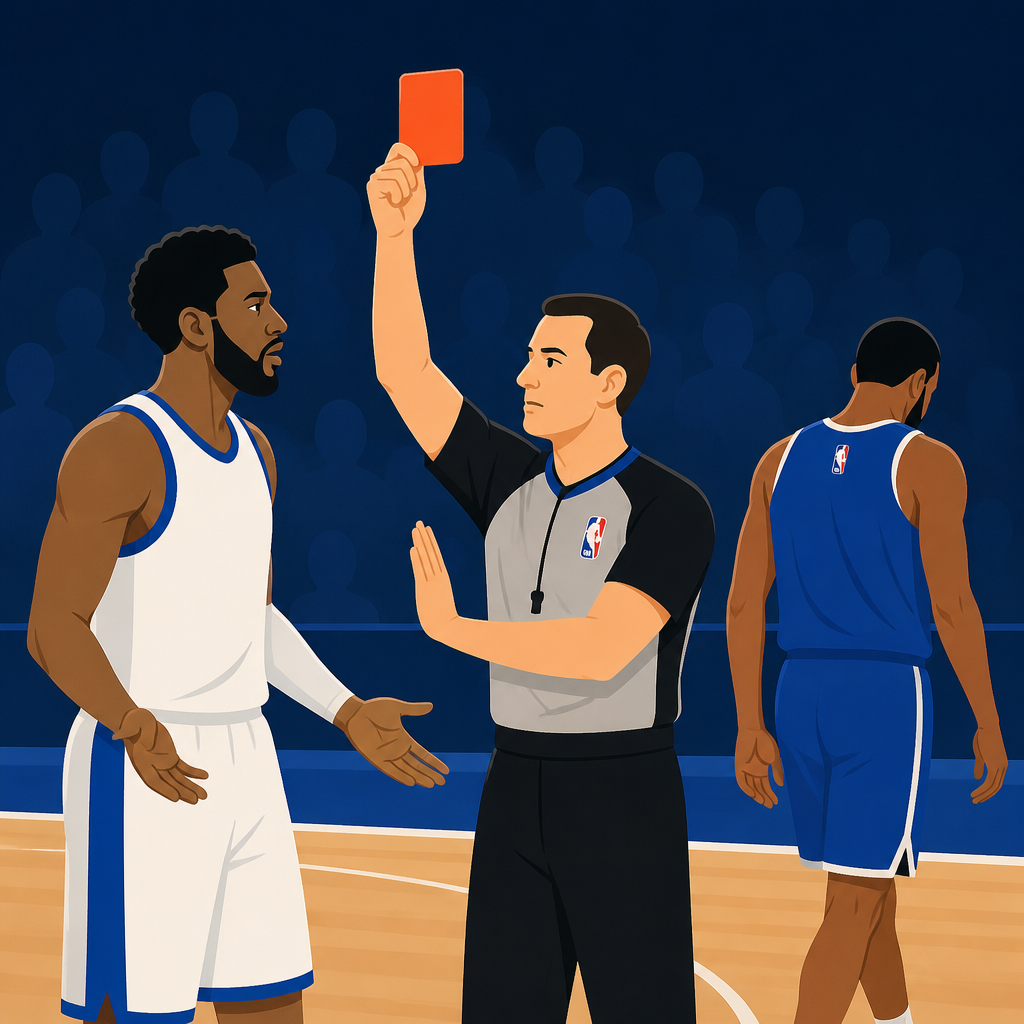
Disqualification for six personal fouls is different from removal for misconduct. A player can also be ejected for two technical fouls or for a flagrant foul penalty two. That distinction matters because many fans assume every foul goes into the same bucket. It does not. Personal fouls determine foul out status. Technicals and flagrants have separate consequences, though some flagrant fouls are also charged as personals depending on the play context and rule application.
What counts as a personal foul in the NBA
A personal foul in the NBA is illegal contact by a player against an opponent, whether the opponent has the ball or not. The common examples are blocking a driver without legal guarding position, hitting a shooter on the arm, holding a cutter, using forearms to impede movement, or dislodging a rebounder during a loose-ball play. Referees judge these actions using standards such as legal guarding position, freedom of movement, verticality, and marginal contact.
Defensive fouls make up the largest share of personal fouls. A blocking foul is called when a defender impedes an opponent’s progress without establishing legal position. A reach-in usually falls under illegal use of the hands when the defender makes contact on the arm, wrist, or body rather than contacting the ball cleanly. A shooting foul occurs when illegal contact affects the act of shooting. In each of those examples, the defender receives one personal foul.
Offensive fouls also count as personal fouls. The most common are charging, illegal screens, push-offs, and hooking a defender with the off arm. Fans sometimes treat offensive fouls as less serious because they do not usually lead to free throws unless the team is in the penalty, but for the player’s foul total they count exactly the same. A star guard who commits three charges is halfway to disqualification just as surely as a big man who commits three blocking fouls.
Loose-ball fouls and over-the-back calls count too. During rebounding battles, players often grab jerseys, shove for position, or displace opponents in the air. Those are personal fouls even when no obvious scoring move is involved. The official scorer records the foul on the player, and the game flow may shift because the team enters the penalty faster or because the player reaches a dangerous total.
Common foul types and their game effects
Not every foul changes the game in the same way. Some mostly affect possession, while others immediately produce free throws or expose a defender’s limitations. The table below shows the most common personal foul categories and what they usually mean in real games.
| Foul type | Typical example | Counts toward six? | Usual result |
|---|---|---|---|
| Blocking foul | Defender slides under driver late | Yes | Side out or free throws if in shooting motion |
| Charging foul | Ball handler runs into set defender | Yes | Turnover, no free throws in most cases |
| Shooting foul | Contact on arm during jumper or layup | Yes | Two or three free throws, or one on made basket |
| Loose-ball foul | Push during rebound scramble | Yes | Possession or free throws depending on penalty status |
| Illegal screen | Screener moving into defender | Yes | Offensive foul and turnover |
| Hand-check or hold | Defender restricts cutter with arm | Yes | Side out or free throws if team is in penalty |
The practical lesson is that all of these fouls count equally toward disqualification, even though their immediate consequences differ. Coaches care about the type because it affects scoring, but they care even more about accumulation. A defender who repeatedly commits low-value fouls away from the ball can still remove himself from the game before the closing minutes.
Foul trouble, rotations, and coaching strategy
Foul trouble begins before a player actually fouls out. Most coaches become cautious when a starter picks up two fouls in the first quarter, three in the first half, or four before the fourth quarter. There is no universal threshold, but the underlying logic is consistent: every additional minute creates another chance for disqualification, and the team must preserve closing lineups. That is why you often see a star sit unexpectedly after a second early foul.
Strategic foul management is one of the quiet skills that separates disciplined veterans from reckless defenders. Smart players know when to concede a layup instead of picking up a cheap reach, when to show hands on drives, and when to avoid fighting through a screen from behind. Big men in particular learn to defend vertically with both arms up because downward swipes create obvious contact and easy whistles. Guards learn to angle handlers toward help rather than gambling for steals.
Opponents actively hunt foul trouble. If a center has five fouls, the offense may clear a side and force him into repeated pick-and-roll coverage. If a wing stopper has four, the ball handler may attack his chest to draw a blocking call. This is not accidental. It is a standard part of scouting and in-game adjustment. Playoff basketball makes it even sharper because every lineup weakness is targeted over and over until the defense either survives or the player fouls out.
One classic coaching dilemma is whether to leave a player with five fouls on the court late. Some coaches trust stars to navigate the risk. Others remove them for a few possessions, hoping to steal rest and preserve availability. There is no automatic right answer. The score, matchup, bench depth, and game context matter. If the backup center cannot protect the rim at all, keeping the starter in despite five fouls may still be the best option.
How free throws, team fouls, and offensive fouls fit in
Many people asking how many personal fouls before you are ejected are really asking a second question too: which whistles lead to free throws and which simply change possession? The answer depends on whether the foul occurs during a shot, whether the team is in the penalty, and whether the foul is offensive. A shooting foul usually awards two free throws, or three on a three-point attempt. If the shot goes in, the shooter gets one additional free throw.
Team foul penalties are separate from a player’s personal foul count. In each quarter, once a team commits enough defensive team fouls, non-shooting defensive fouls can send the opponent to the line. Offensive fouls still count as personals on the player but usually do not award free throws, because they result in a turnover. This distinction explains why a player can foul out with relatively few opponent free throws if many of his fouls are charges, holds, or illegal screens.
There are also special situations such as clear-path fouls and take fouls in transition. Under current NBA rules, transition take fouls carry a penalty designed to discourage stopping fast breaks with intentional non-basketball contact. Those fouls still count as personals and can become very costly because they combine point value, possession value, and foul accumulation. Modern rules increasingly reward skillful defense and punish cynical contact.
Technical fouls, flagrant fouls, and disqualification differences
Technical fouls and flagrant fouls confuse many fans because they can also cause ejections, but they are not the same as the six personal foul limit. A player who receives two technical fouls in one game is ejected regardless of personal foul total. Technicals are assessed for unsportsmanlike conduct, excessive protest, taunting, delay actions, or other non-contact violations. They do not function as ordinary personal fouls in the six-foul framework.
Flagrant fouls are contact fouls judged by severity. A flagrant foul penalty one involves unnecessary contact; a flagrant foul penalty two involves unnecessary and excessive contact and brings automatic ejection. Reviews are common because officials must assess windup, impact, follow-through, and whether the play made a legitimate basketball action. In league discipline, flagrants can also bring fines or suspensions, especially in repeat cases.
The key point is simple. A player can leave a game by three different routes: six personal fouls, two technical fouls, or a flagrant two. Those are separate rule paths, though one game can include overlap. When explaining NBA fouls, keeping those categories distinct prevents the most common misunderstanding.
Why the six-foul limit matters across the season
The six-foul rule influences more than isolated possessions. Over an 82-game season, it shapes player development, roster construction, and officiating adaptation. Young defenders often struggle first with scheme recognition and second with foul discipline. They may have the athletic tools to block shots or pressure the ball, but they commit unnecessary body contact, bite on pump fakes, or lose legal position. Veteran improvement often shows up not in highlight blocks but in fewer wasted fouls.
Teams also build benches with foul risk in mind. Backup centers are valuable partly because frontcourt players naturally absorb more contact at the rim and on the glass. In playoff series, a reserve who can survive 12 disciplined minutes without fouling changes lineup flexibility. I have seen coaches trust less talented defenders simply because they stay available, avoid cheap reaches, and understand scouting angles.
For fans, the main takeaway is straightforward: six personal fouls equals disqualification, but the real story is how players avoid getting there. Watch hands, feet, angles, and timing. Notice when a defender stops contesting aggressively after his fifth foul. Notice when an offense repeatedly drags that player into action. Those details turn the rulebook into visible strategy. If you are learning NBA rules, start with foul counts during any close game, then follow how every substitution and possession reacts to them.
Understanding NBA foul out rules makes the game easier to read and far more interesting to watch. You now know the core answer, the categories that count, and the strategic impact of foul trouble, free throws, offensive fouls, technicals, and flagrants. Use this fouls explained hub as your foundation, then keep exploring related NBA rules so every whistle tells you more than just who hit whom.
Frequently Asked Questions
How many personal fouls does it take to foul out in an NBA game?
In the NBA, a player fouls out after committing six personal fouls in a single game. Once that sixth personal foul is called, the player is disqualified and must leave the game for good. That rule applies whether the fouls come on defense, on loose balls, on rebounds, or in offensive situations where a personal foul is assessed. The key point is that the NBA uses a six-foul limit, which is one of the most basic but most important parts of understanding professional basketball officiating and game management.
What makes this rule so important is how much it shapes coaching strategy. A starter who picks up two quick fouls in the first quarter often gets benched earlier than usual, not because the coach wants to punish the player, but because preserving availability later in the game matters. The same is true in the playoffs, when every possession is magnified and foul trouble can completely alter a matchup. A sixth foul does not just remove a player from the floor; it can change defensive coverages, reduce rim protection, and force a team to reshuffle its rotation at the most important moment.
What counts as a personal foul in the NBA?
A personal foul in the NBA generally involves illegal physical contact with an opponent. That includes common defensive fouls such as hand-checking, reaching across the body, bumping a ball-handler, holding a cutter, or making illegal contact on a shot attempt. It also includes offensive fouls, such as charging into a defender who has established legal guarding position, pushing off to create space, or making illegal contact while setting a screen. If the foul is recorded as a personal foul, it counts toward the player’s six-foul total.
It helps to understand that not every whistle is treated the same way in the box score, but personal fouls are the category that matters for fouling out. A shooting foul is a personal foul. A loose-ball foul is a personal foul. A charge is a personal foul. By contrast, some technical or administrative violations are tracked differently, even though they still carry consequences. For fans trying to follow foul trouble during a game, the easiest rule of thumb is this: if the official calls illegal contact against a player and it is entered as a personal foul, it moves that player one step closer to disqualification.
Do offensive fouls and technical fouls count toward fouling out?
Offensive fouls do count toward fouling out because they are personal fouls. If a player commits a charge, extends an arm illegally, dislodges a defender, or sets an illegal screen, that foul is added to the player’s personal foul total just like a defensive foul would be. That is why offensive stars who attack constantly still have to be careful, especially if defenders are trying to draw charges or bait them into frustration plays. A player can pick up a meaningful portion of his foul total without ever being called for a defensive mistake.
Technical fouls are a little different. In standard NBA scorekeeping, a non-unsportsmanlike technical foul does not count toward the six personal fouls that cause a player to foul out. However, technical fouls can still lead to major consequences, including free throws, possession changes in some situations, and ejections if a player accumulates too many technicals in the same game. In other words, a player does not usually foul out on technical fouls alone, but technicals still matter and can remove a player from the game through a separate disciplinary process. That distinction is important when reading a box score or listening to broadcasters discuss foul trouble late in games.
What happens after a player commits a sixth personal foul?
After a player is called for a sixth personal foul, the officials notify the scorer’s table and the player is disqualified from the game. He cannot return later, even if the game goes to overtime. The team must substitute another eligible player, and if the sixth foul occurred during a shooting play, the free throws associated with that foul are still taken as normal. The disqualification is immediate and final for that game, which is why you often see a coach react instantly when a key player picks up foul number six in a close contest.
The ripple effects can be enormous. A team may lose its primary scorer, best perimeter defender, top rebounder, or only reliable rim protector. Coaches then have to improvise with different lineups, adjust matchups, and sometimes simplify the scheme because a backup may not be able to execute the same assignments. In a regular-season game that can swing momentum; in a playoff game it can decide the outcome. That is why experienced players often defend more cautiously when they reach four or five fouls, even if it means giving up a less aggressive contest to stay on the court.
Why do NBA foul out rules matter so much for strategy and late-game decisions?
Foul out rules matter because they affect who can stay on the floor, how physically a team can defend, and what coaches are willing to risk at different stages of the game. A star with five fouls becomes a strategic puzzle. Does the coach leave him in and trust him to avoid a sixth, or sit him and risk losing control of the game while he rests? Opponents also adjust. They may attack that player directly, force him into screening actions, or drive at him repeatedly, knowing that one more whistle would end his night. That cat-and-mouse dynamic is one of the most important hidden layers in NBA game flow.
Late in games, foul trouble can influence everything from substitution timing to who protects the rim to whether a team switches screens or plays more conservatively. It also affects scoring efficiency, because defenders in foul trouble often contest less aggressively to avoid contact. Over a long season, these moments add up. Over a playoff series, they can change rotations, fatigue patterns, and even the outcome of a matchup between stars. So while the rule itself is simple, six personal fouls and you are out, the basketball consequences are much deeper than the number alone suggests.