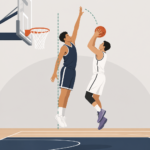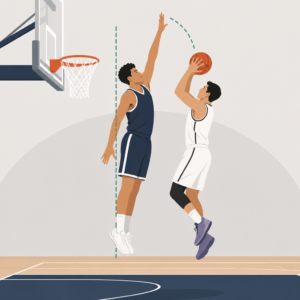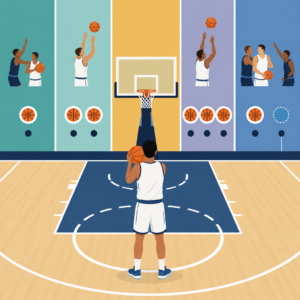

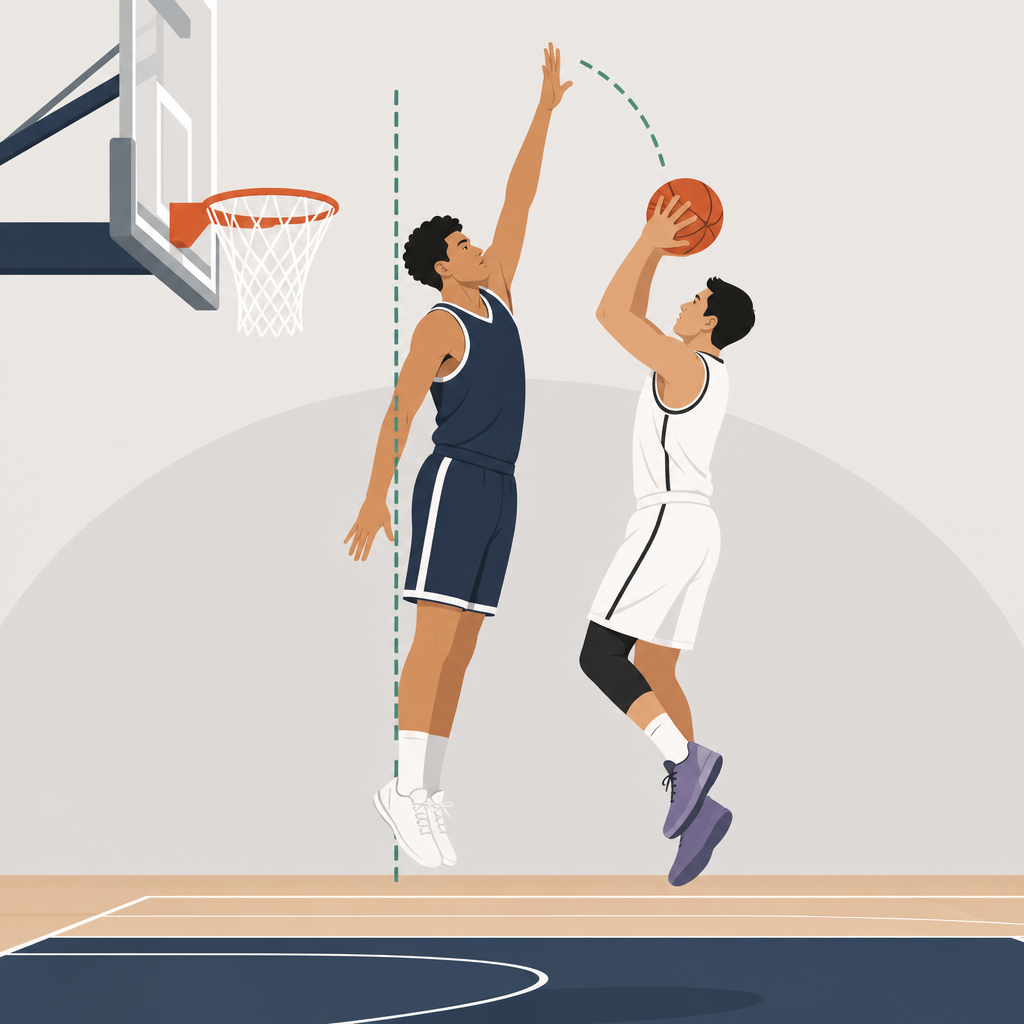
Shot blocking is one of basketball’s most misunderstood defensive skills because great defense is not just about jumping high or swatting the ball into the stands. To block shots without fouling, a defender must combine verticality, timing, footwork, body control, and game awareness. Verticality means moving straight up within your legal defensive space, with the torso upright and the arms raised rather than swinging forward. Timing means contesting at the exact moment the shooter exposes the ball, not after body contact has already occurred. This matters at every level of basketball, from youth leagues to the NBA, because blocked shots can erase layups, protect the paint, ignite transition offense, and deter future drives. Just as important, failed block attempts often create the opposite result: free throws, foul trouble, broken defensive structure, and easy offensive rebounds.
When I teach defense, I start by reframing the goal. The goal is not to get blocks. The goal is to end possessions. Sometimes that ends with a clean block. More often it ends with a missed shot forced by legal pressure, an altered release, or a ballhandler who sees the rim protector and decides not to attack. That broader view is essential for understanding defense as a complete skill set. A good shot blocker is also a disciplined help defender, a communicator, a rebounder, and a player who knows personnel and scouting tendencies. This article serves as a hub for basketball defense by explaining the mechanics of legal shot blocking and connecting them to closeouts, rim protection, pick-and-roll coverage, post defense, transition defense, and team rotations.
The rules are straightforward, but applying them at full speed is not. Defenders are allowed to occupy a legal guarding position, jump vertically, and contact the ball cleanly. They are not allowed to displace the shooter with the hip, chest, shoulder, forearm, or downward arm swipe. They also cannot recover late and then crash through the shooter’s space expecting the block to erase the contact. Officials look for who owns the space first, whether the defender moved straight up, and whether the contact changed the shooter’s path, balance, or release. Understanding those principles gives players a repeatable defensive framework instead of relying on guesses and athletic recovery.
What verticality really means in basketball defense
Verticality is the defensive principle that a player may rise straight up from the floor within the cylinder established by the body. In plain terms, if your feet are on the floor in a legal position and you jump upward with your hands high, you are entitled to that space. If the offensive player jumps into you and you have not leaned forward or brought your arms down across the body, officials often judge the contact as legal. This is why elite rim protectors look tall, still, and balanced at the moment of contest. They do not chase the ball with the chest. They win the space early, load through the hips, and then go straight up.
I have found that many fouls happen one step before the jump. A defender gets beaten, panics, and then tries to solve poor positioning with a desperate leap. Once the feet are underneath the shooter or the torso is moving forward, verticality is gone even if the hand touches the ball. Teaching the skill starts on the floor. Defenders must arrive on time, square the chest, stop on balance, and absorb the drive path without reaching. Only after that base is established does the upward contest become legal and effective.
Verticality also applies outside the restricted area and in post defense. On a post move, the defender can hold legal ground, rise straight up, and challenge the release with both arms extended. On a closeout against a jump shooter, the same principle matters: high hand, short choppy steps, and a controlled stop that avoids landing under the shooter. The common thread is body control. Players who understand verticality defend with fewer emergency motions, which reduces fouls and improves consistency over long minutes.
How timing turns a block attempt into a clean stop
Timing separates highlight chasing from dependable rim protection. The best moment to contest a shot is when the shooter commits to the finish and the ball leaves its protected pocket. Against a layup, that is usually after the gather and during the extension. Against a floater, it is at the early release point before the ball reaches full arc. Against a jump shot, it is near the top of the shooter’s rise, not on the way down into the body. Great shot blockers read the sequence: approach angle, gather foot, inside versus outside hand finish, and likely release window.
Film study makes timing teachable. Guards often reveal finishes with their eyes and stride length. A right-handed driver coming from the left slot may prefer a left-right gather into an inside-hand scoop to shield the ball from the trailing defender. In that case, the clean block often comes from the help defender meeting the ball on the glass side with the inside hand rather than swiping across the body. Bigs posting on the right block may show the ball low before turning middle; that is a strip opportunity before the upward shooting motion starts, while a late swing after the rise usually becomes a foul.
Timing also requires patience. Young defenders jump on the first fake, then foul on the second move. Skilled scorers depend on that impatience. Staying down until the shooter leaves the floor, then contesting through the release window, is a hallmark of disciplined defense. The defender who blocks two shots cleanly and forces six more misses by staying patient is far more valuable than the player who gambles for five blocks and gives up eight free throws.
Footwork, angles, and body position before the jump
Shot blocking begins with feet, not hands. If the defender’s angle is wrong, the jump becomes a rescue attempt. Good defenders influence the driver toward help, keep the top foot engaged, and avoid opening the hips too early. On a straight-line drive, the on-ball defender should work to stay attached at the high hip, because that alignment discourages easy gathers. The help defender, meanwhile, should meet the ball outside the restricted area when possible, chest to chest, with a loaded base and hands already prepared to rise.
The angle of approach changes the legal contest. From behind, many blocks that look spectacular are actually dangerous because the defender swings downward across the arms or lands into the shooter. From the side, the defender has a better chance to meet the ball at its release point with less body contact. This is why chase-down blocks are so rare when executed correctly. The defender must close distance, match stride rhythm, avoid the lower body, and contact the ball first without clipping the shoulder or head. At game speed, that is difficult even for elite athletes.
In drills, I teach “arrive on two, contest on one idea.” That means the defender should come under control with balanced footwork before deciding whether to leave the floor. Players who sprint to the rim and jump off a chaotic final step usually foul. Players who gather their base and then explode vertically preserve options: wall up, absorb contact, contest, or peel out to rebound. Defensive balance is what makes legal aggression possible.
Common foul triggers and how disciplined defenders avoid them
Most shooting fouls on block attempts come from a small set of mistakes that repeat across levels. Knowing them helps players self-correct quickly.
| Mistake | Why it draws a foul | Better defensive action |
|---|---|---|
| Downward swipe | Hits the forearm on the release path | Show vertical hands and contest upward |
| Forward lean | Displaces the shooter’s body and landing line | Jump straight up from legal position |
| Late rotation | Creates unavoidable body contact at the rim | Rotate earlier and meet the drive outside the charge circle |
| Biting on fakes | Forces a second recovery into the shooter | Stay grounded until the offensive player leaves the floor |
| Cross-body reach | Contacts the torso before the ball | Use the nearer hand and better angle |
Officials are especially sensitive to contact on the shooter’s arm, shoulder, and landing space. Even at amateur levels, referees consistently reward offensive players when defenders close recklessly. A clean block does not excuse prior body contact. That point matters because players often argue, “I got the ball.” In practice and film review, the better question is, “What happened first?” If the body collision came first, the block rarely saves the play.
Disciplined defenders also know when not to block. If the offense has created inside leverage and the helper is late, the best decision may be to show verticality, force a tougher finish, and secure the rebound. That restraint is a defensive skill. Fouls are often the cost of trying to make a spectacular play after the offense has already won the advantage.
Applying verticality in help defense, pick-and-rolls, and post play
Rim protection is usually a help-defense skill, not an isolation skill. In modern basketball, many block opportunities come from low-man rotations, pick-and-roll coverage, and baseline help. The low man is the weak-side defender responsible for tagging the roller and protecting the basket when the primary defender is beaten. To block shots legally from this role, the low man must see both ball and man, step into the lane early, and rise vertically off two feet. Arriving late from the corner often leads to fouls because the contest becomes a sprinting collision.
In drop coverage, the screener’s defender protects the paint while containing the ball. Here timing and retreat footwork are critical. The big must stay square long enough to discourage the lob, absorb the driver’s line, and then contest the finish without opening the gate too early. Brook Lopez has been a strong example of this style: he is not relying on wild leaps but on depth, angle, and disciplined vertical contests. In switch schemes, a smaller defender may need to front the drive, bring early help, and contest with a high outside hand rather than trying to meet bigger players chest to chest at the rim.
Post defense requires another version of the same principles. The defender should fight for early position, feel the pivot foot, and keep the hands active without reaching across the body. When the shot goes up, rise through the legs and hips, keep the chest tall, and challenge the ball above the release. Many post fouls happen because defenders try to block after being moved off their spot. Once the offensive player has created deep paint position, the safer priority is to stay vertical and finish the possession with a rebound.
Building a complete defensive skill set beyond blocks
Great defense is cumulative. Blocking shots without fouling depends on closeouts that stop easy drives, communication that triggers timely rotations, and rebounding that ends the play after the contest. A defender who gets a clean block but cannot recover to the glass has not finished the job. Likewise, a team with poor nail help or late weak-side tags will ask its rim protector to solve impossible situations. That is why defense should be trained as a connected system.
For players developing under the basketball skills umbrella, the progression is clear. First, master stance, slides, and containment on the ball. Second, learn help positions: gap, deny, nail, low man, and split line awareness. Third, add legal contests at the rim using verticality and timing. Fourth, build film habits so you understand personnel. Some scorers extend early for finger rolls; others prefer jump stops and shot fakes. Scouting shortens reaction time and makes clean contests more predictable.
Useful training methods include pad finishes at the rim, wall-up drills, late-closeout contests, and restricted-area reads with a coach calling “charge,” “vertical,” or “rebound.” Video tools such as Hudl and Synergy are widely used because they let players categorize fouls by cause: late rotation, arm swipe, poor angle, or fake-induced jump. Once you track the pattern, improvement becomes specific instead of emotional. That is how defenders become reliable over a season.
Blocking shots without fouling comes down to owning space legally, reading the play early, and contesting with discipline instead of panic. Verticality gives defenders a rule-based framework: arrive balanced, stay tall, and rise straight up. Timing turns that framework into results by matching the contest to the shooter’s gather and release. Footwork, approach angle, and patience do the hidden work before the jump ever happens. When those details are right, blocks become cleaner, finishes become harder, and free throws decline.
As a defense hub, this topic connects every major part of stopping opponents. On-ball pressure matters because it shapes the driver’s path. Help defense matters because most rim contests are rotations. Pick-and-roll coverage matters because it determines where the big meets the ball. Post defense matters because legal vertical contests often decide paint touches. Rebounding matters because no stop is complete until the ball is secured. Players who understand these links stop chasing blocks and start controlling possessions.
The main benefit is consistency. A defender who uses verticality and timing can protect the rim without living in foul trouble, which keeps the best defenders on the floor longer and stabilizes the whole team scheme. Review your film, identify where fouls start, and drill the moments before the jump. If you want to improve your basketball defense, start with legal contests at the rim, then build outward into closeouts, rotations, and rebounding habits that turn effort into dependable stops.
Frequently Asked Questions
What does verticality mean in basketball, and why does it matter for blocking shots without fouling?
Verticality is the defensive principle of going straight up within your legal space instead of lunging, leaning, or swiping through the shooter’s body. In practical terms, it means a defender establishes position, keeps the torso upright, raises both arms vertically, and contests the shot without invading the offensive player’s cylinder. This matters because many fouls happen not when a defender tries to block the ball, but when that defender moves forward into the shooter’s chest, clips the arm on the way up, or lands in the shooter’s path. A player who understands verticality can still challenge shots effectively while giving referees a clean picture of legal defense.
Good verticality also improves consistency. A defender who relies only on athleticism may make occasional highlight blocks, but that same approach often leads to body contact, late rotations, or unnecessary reach-ins. By contrast, a defender who jumps straight up forces the shooter to finish over length rather than through contact. This is especially important around the rim, where officials are closely watching torso contact, arm contact, and whether the defender maintained a legal contest. If you want to block more shots without piling up fouls, verticality is the foundation because it turns your contest from reckless to disciplined.
How can a defender improve timing when trying to block a shot?
Timing is the skill of meeting the ball at the moment it becomes vulnerable, not simply jumping as high or as early as possible. The best shot blockers are patient. They read the drive, watch the shooter’s gather, and wait for the instant the ball comes up into the release window. If a defender leaves the floor too early, the offensive player can adjust, shot fake, lean in, or finish after the defender has already passed the point of control. If the defender reacts too late, the shot is already gone or the contact happens on the shooter’s arm. Proper timing sits in the narrow middle: stay grounded long enough to read the play, then explode upward when the shooter exposes the ball.
To improve timing, defenders should train their eyes and feet together. Instead of staring only at the shooter’s face or the rim, focus on the shooting pocket, shoulder rise, and gather steps. Learn common finishing patterns such as quick releases, floaters, reverse layups, and two-foot power finishes. Film study helps because it teaches when scorers typically reveal the ball. On court, drill late contests, wall-up finishes, and recovery blocks from different angles. Timing gets better when players stop chasing the first movement and start reacting to the real release point. In games, that patience often makes the difference between a clean block and an unnecessary foul.
What are the most common mistakes that cause fouls when attempting a block?
The most common mistake is jumping forward instead of upward. Defenders often panic when a scorer gets close to the basket, so they launch toward the ball and create body contact with the chest, hip, or shoulder. Even if they touch the ball, that forward momentum can still draw a foul because they displaced the shooter. Another frequent error is swinging down with the arms. Officials are much more likely to call a foul when a defender chops across the forearm or wrist rather than contesting with straight, high hands. Reaching across the body, biting on shot fakes, and leaving the floor before the shooter commits are also major problems.
Poor footwork is another hidden cause of fouls. If the defender arrives off balance, crosses the feet, or opens the stance too wide, the recovery usually becomes a desperate swipe from the side or behind. That kind of recovery is difficult to control and often catches the shooter’s arm. Many fouls also happen after the initial contest, when the defender lands into the shooter or tries for a second block while out of position. The solution is not just “jump less,” but defend more under control: arrive early, stay balanced, keep the chest lifted, show vertical arms, and only attack the ball when you can do so cleanly. Most blocking fouls are really discipline mistakes before they are hand-contact mistakes.
How do footwork and body control help a player block shots legally?
Footwork and body control make verticality and timing possible. If your feet are late, your upper body will compensate, and that usually leads to fouling. Strong shot blockers use quick, efficient steps to get into the play early enough to rise straight up. That might mean a drop step on a baseline drive, a short slide to cut off a lane, or a controlled rotation from the weak side. The key is arriving balanced, with the hips underneath the torso, so the contest starts from a stable base instead of a full-speed collision. Once balanced, the defender can jump vertically, absorb legal contact, and stay aligned with the play.
Body control matters just as much in the air. A defender who twists, drifts, or reaches while airborne is much more likely to create contact. The goal is to leave the floor with a clear line, keep the core tight, extend the arms without swinging, and land under control. That is why elite rim protectors often look calm rather than frantic. They are not just athletic; they are organized. They know where their body is, where the shooter is, and how to contest without losing shape. In training, this can be developed through closeout-to-contest drills, one-step and two-step block drills, jump-stop reactions, and controlled landing work. Legal shot blocking starts at the feet and finishes with balance.
Is it always better to try to block the shot, or are there times when a vertical contest is the smarter play?
It is not always better to chase the block. In many situations, the smartest defensive play is simply a strong vertical contest that makes the shot difficult without trying to swat it. Going for every block can pull a defender out of position, create foul trouble, or give up offensive rebounds if the ball is missed or tipped awkwardly. A disciplined defender understands game context. If you are the last line of defense, carrying fouls, guarding a player who loves shot fakes, or rotating late, the safer and often more effective option is to wall up, stay vertical, and force a tough finish.
This is one of the biggest differences between highlight defense and winning defense. A clean block is valuable, but so is a missed shot caused by length, pressure, and legal positioning. Vertical contests also help a team’s overall defense because they keep the defender in rebounding position and reduce bailout fouls that gift free throws. The best rim protectors know when to attack the ball and when to simply own space. If the ball is clearly exposed and the angle is clean, go make the play. If the window is small or the risk of contact is high, trust your positioning, contest straight up, and let discipline do the work.