
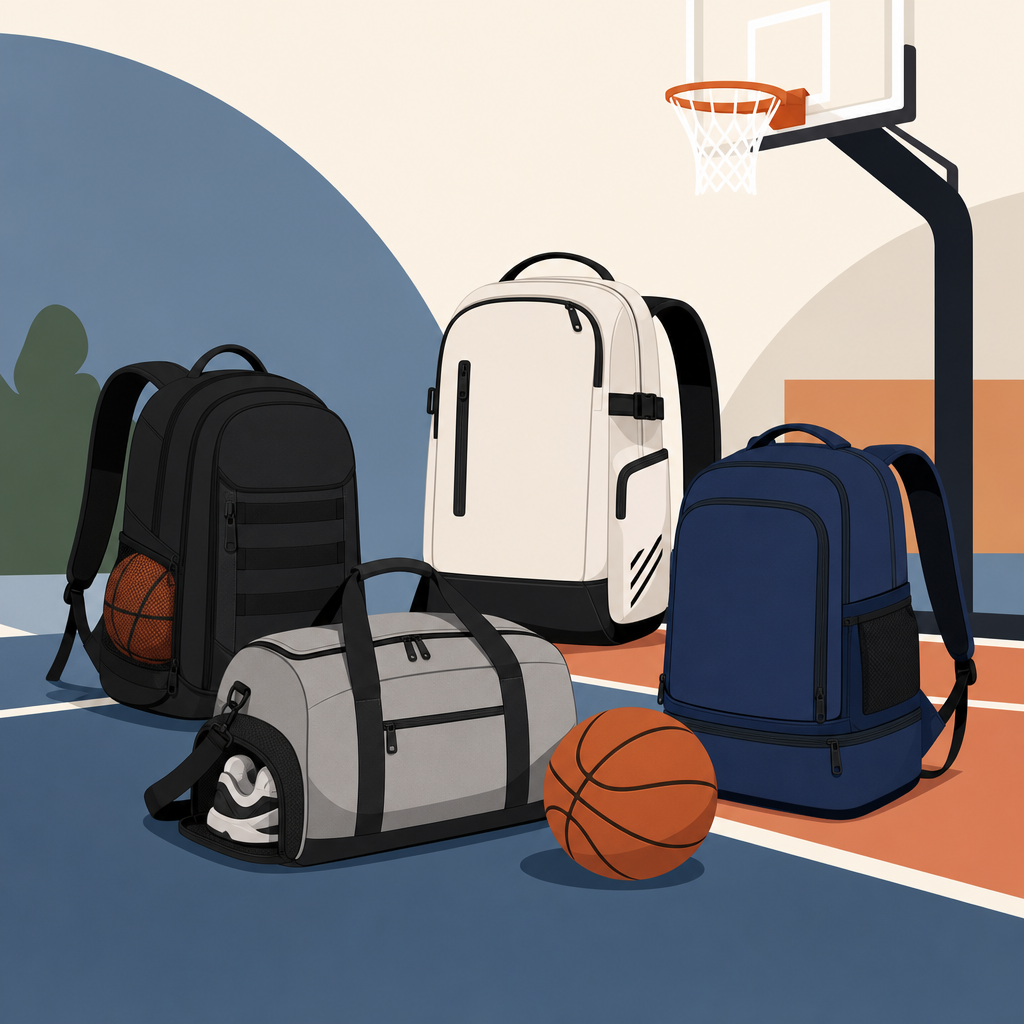
Choosing the best basketball bags and backpacks for players in 2026 is about more than finding a place to stash shoes and a ball. The right bag protects expensive gear, keeps sweaty items separated, survives daily gym use, and helps players move efficiently from school to practice, weight room, and weekend tournaments. In basketball equipment, training gear often gets less attention than shoes or hoops, yet it shapes the day-to-day experience of every player. A good basketball backpack can reduce clutter, prevent forgotten essentials, and make pregame routines faster. A larger basketball duffel or hybrid bag can handle team travel, recovery tools, and extra apparel when schedules get packed.
When I evaluate basketball bags, I look at them like a coach and equipment manager, not just a shopper. Capacity matters, but so do compartment design, ventilation, zipper strength, strap construction, water resistance, and whether a bag fits modern player habits. In 2026, those habits include carrying size 15 shoes, a 32-ounce or larger water bottle, compression gear, a laptop or tablet for film study, chargers, tape, and often a massage gun. Players also want versatile training gear that works in school hallways, airports, outdoor courts, and locker rooms. This guide explains what separates a great basketball bag from an average one, which bag styles suit different players, what features are worth paying for, and how to choose a bag that supports serious training without wasting money.
What makes a basketball bag great in 2026
The best basketball bags in 2026 solve three practical problems at once: organization, protection, and comfort. Organization starts with intelligent compartments. A dedicated shoe tunnel or isolated shoe garage keeps dirt and odor away from jerseys, notebooks, and recovery gear. Ball storage matters too. Some backpacks use an expandable front pouch or helmet-style cradle that secures a basketball without stealing interior space. Others place the ball inside the main compartment, which works for casual use but is less efficient for players carrying multiple items. The best designs preserve enough room for clothing, accessories, and technology while still handling a full-size ball.
Protection is equally important. Premium basketball gear is expensive, and bags are dragged across bus floors, concrete, and wet gym entrances. Durable polyester, ripstop nylon, coated bottoms, and reinforced stitching add real value. YKK-style zippers, bar-tacked stress points, and thick haul handles are signs of a bag built for daily athletes rather than occasional users. Padding in the back panel and straps prevents shoulder fatigue, especially for players walking across campus or through airports. Water-resistant coatings help in bad weather, but they are not the same as waterproof construction; if you commute in heavy rain, a rain cover or dry pouch for electronics is still smart.
Comfort and usability have improved because brands now treat basketball bags like performance equipment. Better weight distribution, luggage pass-through sleeves, ventilated back panels, and quick-access pockets for tape, keys, and headphones all matter. This category has also widened. Players can now choose between basketball backpacks, duffels, roller hybrids, and modular systems with removable pouches. The result is more choice, but also more confusion. The best bag is not the biggest or most expensive one. It is the one that fits your training schedule, body size, travel pattern, and gear load without turning every trip to the gym into a search mission.
Backpack, duffel, or hybrid: which style fits your routine
Basketball backpacks remain the best all-around option for most players because they balance mobility and storage. If you move between classes, public transit, and practice, a backpack is usually the easiest solution. It keeps your hands free, fits in car footwells and school lockers more easily than a full duffel, and handles everyday training gear well. The best basketball backpacks in 2026 include separate laptop sleeves, side bottle pockets large enough for insulated flasks, and dedicated compartments for shoes up to larger men’s sizes. Guards, student-athletes, and younger players often get the most value from this style.
Basketball duffel bags work better when your gear load is heavier. If you carry multiple outfits, ankle braces, lifting shoes, a foam roller, resistance bands, and postgame recovery items, a duffel creates less packing stress. I usually recommend duffels for varsity players during tournament season, club players on weekend travel, or adults who go from work to training. The tradeoff is portability. A duffel becomes awkward when fully loaded, especially if the shoulder strap padding is weak. It also offers less natural organization unless the design includes internal dividers or structured end compartments.
Hybrid basketball bags try to combine both formats. Some convert from backpack to duffel, while others use upright backpack geometry with oversized compartments more typical of travel bags. These are useful for players who split time between daily training and periodic travel. The compromise is that hybrid bags are sometimes heavier before you put anything inside. If you are comparing styles, focus on your weekly routine, not just your idealized one. A huge tournament-ready bag sounds appealing, but if you mostly need something for school and one pair of shoes, an oversized model can become dead weight.
| Bag style | Best for | Main strengths | Potential drawback |
|---|---|---|---|
| Backpack | Daily practice, school, commuting | Hands-free carry, organized pockets, easy mobility | Less room for bulky recovery gear |
| Duffel | Tournaments, heavy gear loads, team travel | High capacity, easy packing, fits extra apparel | Can feel cumbersome when full |
| Hybrid | Players balancing daily use and travel | Versatility, larger compartments, multiple carry modes | Often heavier and more expensive |
Features players should prioritize before buying
The most important feature in any basketball backpack or bag is compartment logic. Start with the shoe area. If the shoe compartment shares air with the entire bag and lacks venting, odor builds quickly. A proper shoe garage should be separated, easy to wipe down, and large enough for high-top pairs. Second, check the ball carry system. External ball holders are convenient, but they should cinch tightly and not swing when you walk. Internal ball storage only works if the main compartment remains usable afterward. Third, evaluate pocket access. Small essentials such as tape, mouthguards, wallet, and charger need dedicated spaces or they disappear into the bottom of the bag.
Material quality is where long-term value shows up. Many players focus on branding, but fabric denier, base reinforcement, and zipper construction matter more. In real use, the bag usually fails at the zipper track, shoulder strap seam, or bottom panel first. Look for abrasion-resistant fabric, coated or elevated base panels, and smooth zippers that do not snag around corners. Ventilation is not a luxury. Mesh panels, perforated compartments, and moisture-resistant liners help manage sweat after practice. If you often carry dirty socks, used compression gear, or knee sleeves, these details make a noticeable difference by the third week of the season.
Capacity should match role. For most players, a range around 25 to 35 liters works for daily use, while 40 liters or more suits heavier travel needs. Laptop protection is increasingly relevant because players review scouting reports, class materials, and game film on the same day. A suspended sleeve is better than a thin divider because it reduces impact if the bag is dropped. Water bottle pockets should fit large bottles securely; many older designs fail here. Finally, pay attention to fit. If straps are narrow, unshaped, or mounted too high, the bag will pull awkwardly and feel heavier than it is. A basketball bag should move with you, not fight you through the parking lot.
Best bag types for guards, wings, bigs, and youth players
Position and age affect what players should carry. Guards usually benefit from compact, highly organized basketball backpacks. They often travel lighter, prioritize speed, and need room for shoes, a ball, a change of clothes, tape, and electronics. A streamlined pack with fast-access pockets works better than an oversized duffel. Wings sit in the middle and often need flexibility. They may carry more layers, braces, or practice accessories, so a mid-size backpack or hybrid bag tends to suit them well. Bigs frequently face a simple issue: large shoes consume space. If you wear size 14 or above, verify shoe compartment dimensions before buying, because many bags advertise shoe storage without accommodating larger pairs comfortably.
Youth players need a different balance. Parents often assume buying extra-large bags saves money over time, but younger athletes struggle with oversized packs that shift weight poorly and encourage overpacking. For elementary and middle school players, a lighter basketball backpack with a stable back panel and simple layout is usually best. It should hold a youth or intermediate ball, one pair of shoes, a water bottle, and basic apparel without becoming top-heavy. Travel team players may need more, but carrying capacity should still match body size. Good habits start here: one compartment for clean clothes, one for shoes, one small pocket for mouthguard and personal items.
For high school and college players, bag needs expand with schedule complexity. Strength sessions, skill workouts, class transitions, and overnight trips mean training gear changes by the day. This is where modular packing becomes useful. I often tell serious players to think in categories: performance gear, hygiene, recovery, tech, and nutrition. If your bag cannot separate those categories, it creates friction every day. The best basketball bags reduce that friction. They shorten locker room setup, make packing automatic, and lower the odds of showing up without tape, slides, or chargers when your schedule is already tight.
How training gear changes what your bag needs to carry
This basketball training gear hub matters because the bag is not an isolated product. It is the transport system for everything else players use to improve. If you train seriously in 2026, your loadout may include resistance bands, mini bands, cones, a jump rope, finger sleeves, a sweat towel, a heart-rate wearable, protein snacks, and a massage gun. Some players also carry slide boards, small mobility tools, or a compact first-aid kit. That reality changes what “enough space” means. A bag that feels spacious in a store can become cramped once basketball training gear is packed for a full week.
The smartest approach is to treat your bag as the hub of a broader equipment system. Shoes and apparel are only the core layer. Add a hygiene pouch with deodorant, body wipes, and blister care. Add a recovery pouch for bands, lacrosse ball, and tape. Add a tech pouch for charger, earbuds, and watch cable. This method is useful because it scales. On light days, remove a pouch. On travel days, add one. Many players think they need a larger bag when what they actually need is better internal structure. Packing cubes or zip pouches can upgrade even a simple basketball backpack dramatically.
As this training gear hub expands, related topics naturally connect to basketball bags: best resistance bands for basketball, how to pack for AAU tournaments, what recovery tools players actually use, and how to clean sweaty gear without damaging fabrics. Those subjects belong together because players do not buy equipment in isolation. They build systems around their routine. The best bag supports that system by making every other tool easier to transport, protect, and find. That is why bag selection belongs near the center of basketball equipment planning, not at the bottom of the list.
Buying advice, maintenance, and common mistakes
The biggest buying mistake is choosing based on appearance alone. A sleek bag that lacks ventilation or a usable shoe compartment quickly becomes frustrating. The second mistake is overestimating how much gear you will realistically carry. Bigger is not always better. Extra space invites clutter, and clutter leads to forgotten items. Another common issue is ignoring dimensions. Check whether the bag fits your shoe size, bottle size, locker, and travel needs. If you fly often for showcases or tournaments, confirm whether the bag works as a personal item or carry-on companion. Practical fit beats marketing language every time.
Maintenance is straightforward but often neglected. Empty the bag weekly, shake out debris, wipe the interior, and air out the shoe area. Do not leave sweaty clothes inside for days; that is how odor and bacteria build up. Spot clean the exterior with mild soap, and avoid harsh heat when drying because it can weaken coatings and distort panels. If the base gets soaked regularly, use a towel to dry it before storing the bag in a trunk. Small routines extend lifespan significantly. In my experience, players who maintain their bags also lose fewer items because they reset their equipment every week.
Price should reflect use case. Budget bags can work well for rec players or youth athletes with simple needs. Competitive high school, college, and travel players usually benefit from paying more for stronger materials and smarter organization. The value is not status; it is reduced replacement cost and less daily hassle. The best basketball bags and backpacks for players in 2026 are the ones that fit your training rhythm, protect your gear, and stay functional through a full season. Start with your real routine, list the training gear you carry every week, and choose a bag that supports that load cleanly. If you are building out your basketball equipment setup, use this training gear hub as your next step and compare bags with the rest of your essentials in mind.
Frequently Asked Questions
What should players look for in the best basketball bags and backpacks in 2026?
The best basketball bags and backpacks in 2026 should do much more than simply carry gear. Players should start with capacity and organization. A quality basketball backpack needs enough room for daily essentials such as shoes, practice clothes, a water bottle, toiletries, tape, and small accessories, while still keeping everything separated and easy to find. Dedicated compartments are especially important. A ventilated shoe section helps reduce odor buildup, while separate pockets for clean clothes, sweaty gear, electronics, and valuables make the bag more practical for long days that include school, training, and games.
Durability is another major factor. Basketball players put bags through a lot of wear, including locker room floors, bus rides, outdoor courts, and frequent loading and unloading. Strong zippers, reinforced stitching, abrasion-resistant fabric, and a structured base all help the bag last longer. Water resistance also matters, especially for players commuting in unpredictable weather or carrying expensive items like headphones, tablets, or recovery tools. Comfort should not be overlooked either. Padded shoulder straps, breathable back panels, and balanced weight distribution can make a noticeable difference when carrying a full load all day.
Players should also consider how the bag fits their specific routine. Some need a compact basketball backpack for school and daily practice, while others need a larger duffel-style bag or hybrid backpack for weekend tournaments and extra gear. In 2026, the most useful options are the ones that combine smart storage, durable construction, odor control, and comfortable transport. The right bag should support the player’s schedule and protect their equipment without becoming bulky or inconvenient.
Is a basketball backpack better than a duffel bag for most players?
For most players, a basketball backpack is the better all-around choice because it matches how athletes actually move through their day. Many players are going from class to practice, then to the weight room, and sometimes straight to travel or team activities. A backpack is easier to carry over longer periods, especially when walking across campus, through school hallways, or into tournament venues. The two-strap design spreads weight more evenly across the shoulders and back, which usually makes it more comfortable than carrying a duffel on one side.
Backpacks also tend to offer better organization. Many of the best basketball backpacks now include separate shoe compartments, laptop sleeves, water bottle holders, mesh pockets, and zippered sections for smaller items like ankle braces, chargers, and personal gear. That makes them ideal for student-athletes or anyone who needs one bag to handle both sports and everyday life. A well-designed basketball backpack can serve as an equipment bag and a daily carry solution at the same time.
That said, duffel bags still have advantages. Players who carry multiple pairs of shoes, extra uniforms, recovery tools, or team gear may prefer the larger open space a duffel provides. They can also be a better fit for tournament weekends or players who like to pack everything in one place without using many compartments. The better choice depends on routine, but for daily convenience, portability, and organization, most players in 2026 will find that a basketball backpack offers the best balance of function and comfort.
How important is a separate shoe compartment in a basketball bag?
A separate shoe compartment is one of the most valuable features in a basketball bag, and for many players it should be considered essential. Basketball shoes are often the largest and dirtiest items in the bag. After practice or games, they can carry sweat, dust, moisture, and odor that quickly spread to clothes, towels, and other equipment. A dedicated shoe section keeps that mess contained and helps maintain better hygiene inside the bag.
This feature also improves organization. Without a separate shoe compartment, players often have to stack gear awkwardly or dig through the main section to find smaller items. With a dedicated area for shoes, the rest of the bag stays more structured and usable. That matters on busy days when players are changing quickly before practice, heading to the gym from school, or packing up after late-night training. It saves time and makes the bag easier to manage.
In 2026, the best basketball bags are taking this feature further with ventilated shoe pockets, antimicrobial linings, and easy-access openings. These upgrades help airflow, reduce trapped moisture, and cut down on odor over time. Players investing in expensive performance shoes should especially appreciate this protection, since it helps keep footwear from being crushed or mixed with damp gear. A separate shoe compartment is not just a convenience feature anymore; it is a practical tool for keeping gear cleaner, more organized, and better protected.
How big should a basketball bag or backpack be for daily use?
The ideal size depends on how much gear the player carries, but for daily use, the best basketball bag should be large enough to hold essentials without becoming oversized and uncomfortable. Most players need room for basketball shoes, a change of clothes, a water bottle, a towel, toiletries, and a few accessories such as tape, sleeves, or braces. Student-athletes may also need space for a laptop, notebooks, chargers, and snacks. A bag that handles all of this efficiently without feeling bulky is usually the best choice for everyday routines.
For many players, a medium-to-large basketball backpack works well because it offers enough storage for daily practice while staying portable. If the bag is too small, gear gets crammed together, which can lead to wrinkles, odor transfer, and unnecessary wear on zippers and seams. If it is too large, it can feel awkward to carry and may encourage overpacking. The goal is to find a bag that fits the player’s real schedule rather than the maximum amount of gear they could possibly carry.
Players who travel frequently, attend weekend tournaments, or bring extra recovery equipment may need a larger bag or a hybrid model with expandable storage. Guards and younger players who pack lighter may prefer a more streamlined backpack that is easy to carry all day. The smartest approach is to think through a normal weekday: shoes, clothes, ball accessories, personal items, tech, and post-practice gear. A bag that comfortably fits that load with some room to spare is usually the right size. In practical terms, the best everyday basketball bag is one that feels organized and manageable, not overloaded.
How can players make their basketball bag last longer and stay cleaner?
Making a basketball bag last longer starts with consistent care and better packing habits. One of the most effective steps is separating dirty or wet gear as soon as practice ends. Even if the bag has odor-resistant materials, leaving sweaty clothes, damp socks, or used towels inside for long periods will shorten the life of the bag and create smells that are difficult to remove. Players should use ventilated compartments when available and take gear out promptly once they get home. If the bag includes a shoe compartment, that area should also be aired out regularly.
Routine cleaning makes a big difference. Players should empty the bag completely every week, shake out dust and debris, and wipe down the interior and exterior with a damp cloth. Spot cleaning spills, dirt, and sweat marks early helps prevent staining and material breakdown. It is also smart to check zippers, straps, and seams regularly. Small issues like a loose thread or sticky zipper can become major problems if ignored during a long season of daily use.
Storage habits matter too. A basketball bag should not be left in a hot car for days, tossed repeatedly onto rough surfaces, or overloaded beyond its design. Those habits wear down fabric, stress the stitching, and weaken the base of the bag. Using compartments properly, avoiding unnecessary weight, and giving the bag time to dry between sessions will help preserve both structure and freshness. In 2026, many top basketball backpacks are built with strong materials, but even the most durable bag will perform better and last longer when players treat it like essential equipment rather than an afterthought.