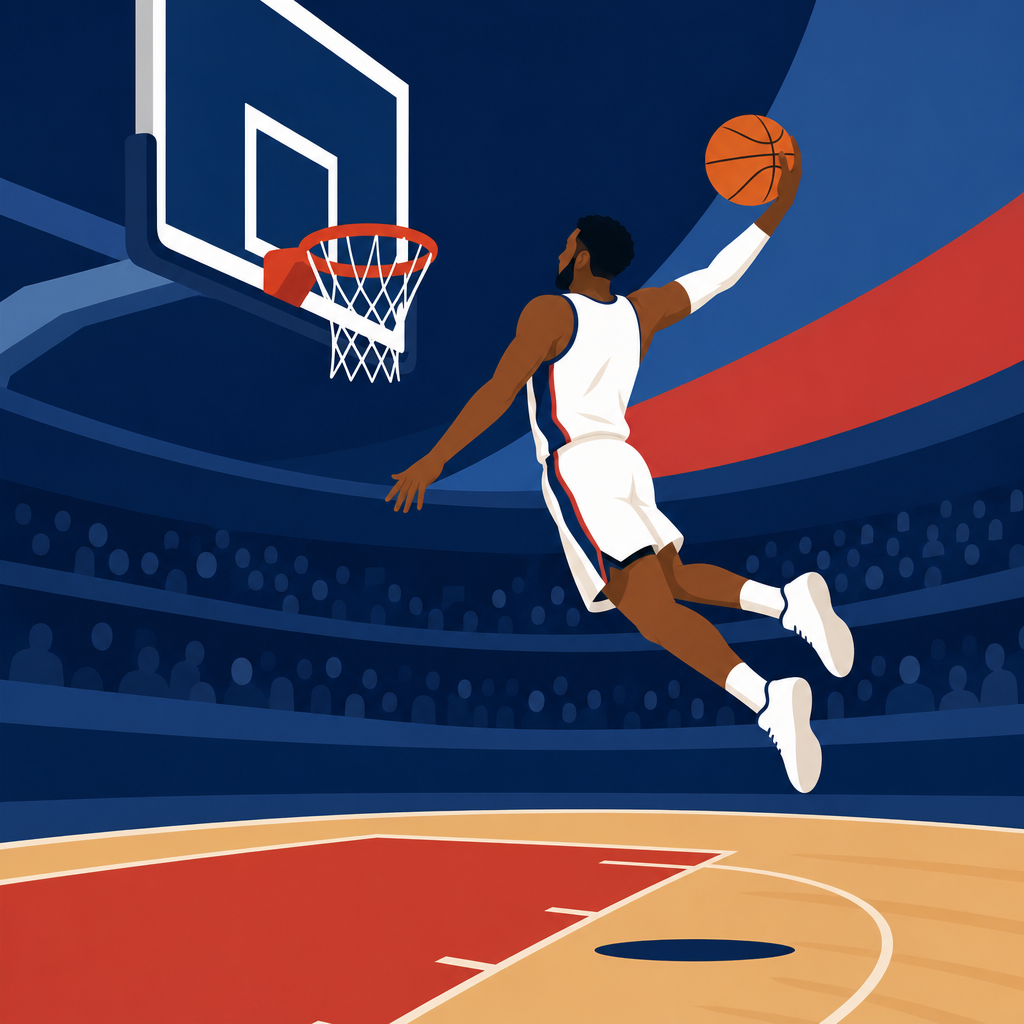

Basketball is one of the best sports for building overall athleticism because it develops speed, coordination, power, balance, endurance, agility, and decision-making at the same time. When coaches, parents, and new players ask which sport creates the broadest athletic base, basketball deserves to be near the top of the list. In one session, a player may sprint in transition, decelerate into a defensive stance, jump for a rebound, pivot under pressure, change direction on a closeout, and make a pass while reading multiple moving defenders. Few activities demand so many athletic qualities so often within such a short span.
Overall athleticism means more than being fast or strong in isolation. It is the ability to produce force, control the body in space, react quickly, repeat high-effort actions, and stay coordinated under fatigue. Basketball trains these capacities through repeated, game-like movement patterns. Unlike sports built around one dominant physical quality, basketball requires a blend. That blend is why many strength coaches use basketball-related drills even outside formal basketball programs, especially for youth athletes who need a wide movement vocabulary instead of early specialization.
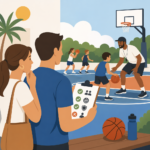
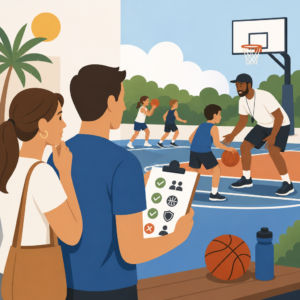
From my experience working with beginner players and school-age athletes, basketball also has an advantage in accessibility. A hoop, a ball, and a small patch of court are enough to start. New players can build fitness and skill through simple routines: form shooting, defensive slides, layup footwork, passing against a wall, short shuttle runs, and small-sided games. That low barrier to entry makes basketball practical for getting started, whether the goal is general fitness, school team participation, or long-term athletic development.
This hub article explains why basketball is such an effective foundation sport and how beginners can start correctly. It covers the physical qualities basketball develops, the movement skills behind them, the mental benefits that support athletic growth, the equipment and training basics for new players, and the safest way to progress. If you want a sport that improves the whole athlete rather than just one trait, basketball provides one of the clearest paths.
Basketball Builds the Complete Athletic Profile
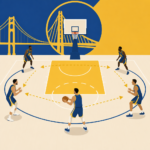
Basketball improves athleticism because it layers several physical demands into every practice and game. A player does not simply run; the player accelerates, stops, backpedals, shuffles, jumps, lands, twists, reaches, and repeats the sequence. These actions train the neuromuscular system to coordinate force rapidly and efficiently. In sports science terms, basketball develops multidirectional speed, reactive strength, repeated-sprint ability, and proprioception. For beginners, that means the sport teaches the body to move well before it teaches the body to specialize.
Consider a typical possession. A guard brings the ball up the floor, changes pace to beat pressure, plants off one foot to attack the lane, absorbs contact, and then must recover immediately on defense. A forward boxes out, times a jump, secures a rebound above shoulder height, lands, pivots, and outlets the ball. Each action challenges posture, core stability, lower-body power, and spatial awareness. This is why basketball players often show well-rounded movement competence compared with athletes who spend most of their time in straight-line patterns.
For young athletes, this matters even more. The National Strength and Conditioning Association has long emphasized that varied movement exposure supports long-term athletic development. Basketball provides exactly that variety. It teaches bilateral and unilateral force production, rhythmic coordination between the upper and lower body, and the ability to react to unpredictable cues. Those are transferable qualities. Athletes with a basketball background often adapt well to soccer, volleyball, football, baseball, and track field events because they already understand timing, balance, and competitive movement under pressure.
Key Physical Qualities Basketball Develops
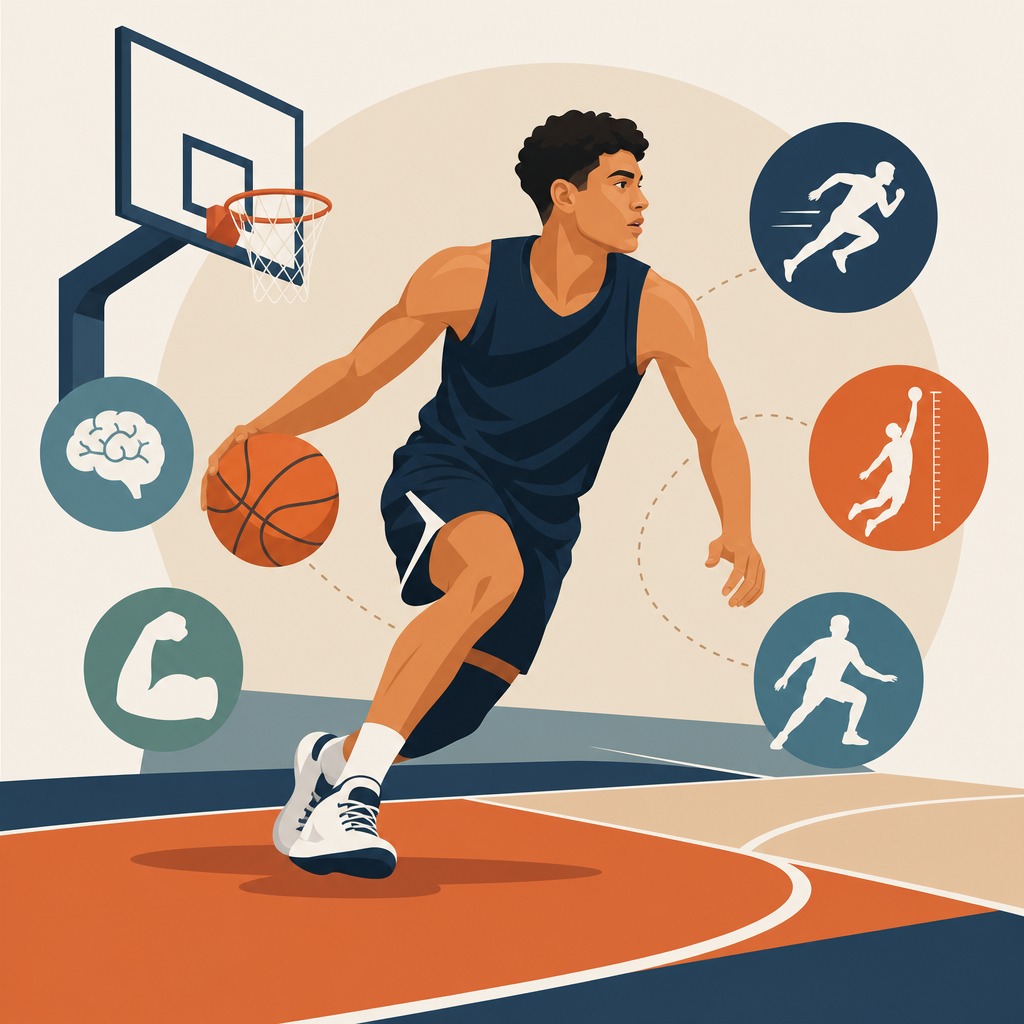
The strongest case for basketball as a foundation sport is the range of physical qualities it improves at once. Speed develops through short accelerations in transition and closeouts. Agility improves because direction changes are constant and rarely rehearsed in exactly the same way. Explosive power grows through jumping, rebounding, and finishing at the rim. Balance improves when players land in traffic, stop on one leg, or pivot after a catch. Coordination advances because dribbling, passing, and shooting all connect hand control to footwork. Conditioning improves through repeated high-intensity efforts layered over an entire game.
Importantly, basketball teaches deceleration as much as acceleration. In performance training, braking ability is a major predictor of safe and effective movement. Players must lower their center of mass, absorb force through the hips and knees, and maintain posture while stopping quickly. Good defenders are often elite decelerators before they are elite sprinters. New players who learn to stop under control usually improve faster in every other skill, from jump stops to pull-up shooting to help-side defense.
Vertical and horizontal force production both matter. A rebound requires vertical explosiveness and timing. A drive to the basket needs horizontal projection and the ability to reorient the body mid-stride. Because basketball combines these qualities continuously, it produces adaptable athletes rather than one-dimensional movers. That adaptability is one reason many performance specialists recommend basketball in the early stages of athletic development.
| Athletic quality | How basketball trains it | Beginner example |
|---|---|---|
| Speed | Short sprints, transition runs, closeouts | Baseline-to-half-court acceleration drills |
| Agility | Reactive cuts, defensive slides, recovery steps | Mirror drills with a partner |
| Power | Jumping, rebounding, explosive finishes | Two-foot jump and stick landing practice |
| Balance | Jump stops, pivots, one-leg finishes | Pivot series from triple-threat position |
| Coordination | Dribbling with footwork and visual scanning | Stationary pound dribbles with movement cues |
| Endurance | Repeated high-intensity efforts with short recovery | Short full-court intervals with the ball |
Movement Skills That Transfer Beyond Basketball
Basketball is especially valuable because the sport teaches movement patterns that carry into other sports and general life performance. The athletic stance alone is foundational: hips back, chest up, knees bent, feet active, eyes forward. That posture supports change of direction, defensive movement, and safe force absorption. Once a beginner owns that position, nearly every other action becomes easier to learn.
Footwork is another major transfer skill. Players learn jump stops, stride stops, forward and reverse pivots, drop steps, lateral shuffles, crossover steps, and retreat dribbles. These patterns teach body control and sequencing. In practical terms, a beginner who can jump stop without drifting, pivot without losing balance, and change direction without crossing the feet is building athletic literacy. That literacy shows up in other settings, from soccer defending to volleyball approach work to simply moving more confidently in space.
Landing mechanics are often overlooked, but they are central to athletic development. Good basketball coaching teaches players to land softly, align knees over toes, absorb through the hips, and regain balance immediately. Those habits support both performance and injury reduction. I have seen beginners gain confidence quickly once they realize that jumping is only half the skill; landing well is what lets them repeat efforts safely.
Hand-eye coordination also develops at a high level. Dribbling demands fingertip control, rhythm, and awareness without constant visual confirmation. Passing trains timing, trajectory, and anticipation. Shooting adds fine motor precision on top of whole-body alignment. When these skills improve together, players become better all-around movers and processors, not just better ball handlers.
Mental Processing Makes Physical Skills More Useful
Athleticism is not only physical output. In real competition, movement quality depends on perception and decision-making. Basketball trains both because the environment changes every second. Players must read spacing, identify help defense, track teammates, and react before the play is obvious. This strengthens what coaches call game speed: the ability to process information and execute efficiently under time pressure.
For beginners, this is one of the sport’s biggest hidden benefits. A player may not look stronger after a week of training, but the player can become noticeably quicker at recognizing cues. For example, a novice defender learns to read the ball handler’s chest instead of the ball, anticipate the first step, and angle the body to cut off penetration. An offensive player learns when to attack a high foot, when to pass out of help, and when to relocate to open space. Those decisions make athletic traits more functional.
This cognitive demand is why small-sided basketball games are so effective. Three-on-three and two-on-two formats create more touches, more decisions, and more movement repetitions than five-on-five for many beginners. They also reveal whether a player can apply skills under pressure. In development settings, I prefer these formats early because they teach awareness, spacing, communication, and effort without overwhelming the athlete with too many variables at once.
Confidence grows from this process. When players understand why they are moving, not just how, they become more decisive. Decisive athletes usually look faster and more coordinated because hesitation disappears. That is a major reason basketball helps build complete athleticism instead of isolated fitness.
Getting Started: Equipment, First Skills, and Early Training
Beginners do not need expensive gear to start basketball. The essentials are a properly sized ball, supportive shoes with reliable traction, comfortable training clothes, and access to a safe playing surface. Youth players should use age-appropriate ball sizes because a ball that is too large encourages poor shooting mechanics. Shoes matter less for brand and more for fit, stability, and grip. A slipping shoe changes mechanics immediately and can turn simple footwork into a frustration.
The best first skills are stance, stopping, pivoting, passing, basic dribbling, layup footwork, and shooting form near the basket. That order matters. Many beginners want advanced dribble moves before they can control balance and body position. In practice, players improve faster when they first learn triple-threat posture, jump stops, forward and reverse pivots, chest and bounce passes, and strong-hand and weak-hand dribbles at different heights. Once these basics are stable, layups and short-range shooting become much easier to teach correctly.
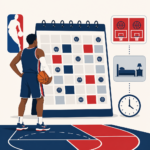
A smart beginner plan includes short, focused sessions. Twenty to forty minutes is enough if the work is deliberate. One session might include five minutes of dynamic warm-up, ten minutes of ball handling, ten minutes of footwork, ten minutes of finishing, and five minutes of free throws. Another might center on defensive stance, closeouts, and simple conditioning. Consistency matters more than marathon workouts. Three to four quality sessions each week usually beat one long, unfocused session.
Useful tools for getting started include a wall for passing, cones for direction-change drills, and a phone tripod for filming technique. Video is especially valuable. Beginners often feel they are staying low on defense or shooting straight, but the camera shows the truth. That feedback speeds improvement.
Training Safely and Progressing the Right Way
Basketball is demanding, so good progression matters. The first principle is movement quality before volume. A beginner who cannot land under control should not be doing dozens of maximal jumps. A player who loses posture during every crossover does not need a more advanced dribble package; that player needs simpler repetition with better mechanics. Starting with fundamentals is not old-fashioned. It is the fastest route to long-term progress.
Warm-ups should prepare ankles, hips, hamstrings, groin, shoulders, and trunk rotation. A sound sequence includes skipping, lunges, leg swings, lateral shuffles, low skips, pogo hops, and short accelerations. This raises temperature and rehearses positions used in practice. Recovery matters too. Sleep, hydration, and manageable training loads are basic performance tools, not extras.
Beginners should also understand common overuse risks. Patellar tendon irritation, ankle sprains, and lower-leg soreness can appear when workload rises too quickly or footwear and surfaces are poor. The solution is usually better load management, stronger landing mechanics, calf and foot strength work, and realistic rest. If pain changes movement or lingers, qualified medical evaluation is the right step.
The best progression model is simple: master technique, add speed, then add pressure. Learn the footwork slowly, perform it faster once it is stable, then apply it against a defender or timed constraint. That sequence works for shooting, ball handling, finishing, and defense. It is how beginners become capable athletes rather than rushed imitators of highlight clips.
Why Basketball Works as a Long-Term Athletic Base
Basketball remains one of the strongest choices for building overall athleticism because it combines broad physical development with skill, competition, and enjoyment. That combination keeps people engaged long enough to improve. A training method only works if athletes continue doing it. Basketball gives them reasons to return: visible progress, social play, measurable skills, and endless variation.
For parents, coaches, and new players, the practical lesson is clear. Start with fundamentals, use age-appropriate equipment, prioritize movement quality, and play often in small-sided games. Basketball will build speed, agility, coordination, balance, power, and conditioning while also sharpening awareness and decision-making. Those benefits extend well beyond the court.
If you are exploring Basketball Basics and want the best place to begin, this is it. Build your stance, footwork, ball control, and shooting habits first, then connect them through regular play. The earlier you start with sound fundamentals, the faster basketball will improve your overall athleticism. Grab a ball, find a hoop, and begin with the basics today.
Frequently Asked Questions
Why is basketball considered one of the best sports for building overall athleticism?
Basketball stands out because it trains multiple athletic qualities at the same time instead of isolating just one. In a single practice or game, players sprint, stop suddenly, change direction, jump, land, shuffle laterally, pivot, react to opponents, and make decisions under pressure. That combination develops speed, coordination, power, balance, endurance, agility, and body control in a very natural way. Unlike activities that emphasize only straight-line movement or only conditioning, basketball constantly asks the body to move in different planes and at different intensities.
It also builds what many coaches call “transferable athleticism.” The movements learned on the court carry over to many other sports and physical activities because they improve footwork, reaction time, spatial awareness, and the ability to accelerate and decelerate efficiently. A player is not just getting better at basketball skills; they are building a broad movement foundation. That is why basketball is often viewed as one of the top sports for young athletes, developing athletes, and even adults who want a practical, game-based way to become more complete movers.
What specific athletic qualities does basketball help develop?
Basketball develops a wide range of athletic traits, which is one of the main reasons it is so valuable. Speed is improved through repeated sprints in transition and quick bursts to get open or recover on defense. Agility is challenged every time a player cuts, closes out, changes direction, or reacts to an opponent’s movement. Power is built through jumping for rebounds, exploding to the rim, and elevating for blocks or contests. Balance and coordination are constantly trained when players land in traffic, pivot under pressure, finish through contact, or control the ball while moving at different speeds.
Endurance is another major benefit. Basketball is not just a series of isolated efforts; it demands repeated high-intensity actions over the course of an entire practice or game. Players have to recover quickly and continue performing with quality, which helps build both aerobic and anaerobic conditioning. On top of the physical side, basketball also sharpens reaction time, decision-making, and body awareness. Reading the floor, anticipating where the ball will go, and choosing the right movement in a split second all contribute to a more complete type of athletic development than many people expect from the sport.
Is basketball a good sport for young athletes who want to build a strong athletic foundation?
Yes, basketball is an excellent sport for young athletes because it exposes them to a wide variety of movement patterns early in development. Children and teens benefit when they learn how to run, stop, jump, land, rotate, shuffle, and coordinate upper- and lower-body movement together. Basketball teaches all of those skills in a fun, engaging environment where movement has purpose. Instead of doing drills that feel disconnected from real play, young athletes are developing athletic ability while competing, reacting, and solving movement problems in real time.
It is especially useful for building general athleticism before an athlete specializes too early in one narrow role or sport. The game encourages bilateral movement, hand-eye coordination, posture control, and rhythm, all of which support long-term athletic growth. For parents and coaches, that makes basketball a smart option because it can help create a versatile base that supports performance not only in basketball itself, but also in sports like soccer, football, volleyball, tennis, and track-based field sports. As long as training is age-appropriate and fundamentals are taught well, basketball can be one of the best environments for developing well-rounded movers.
How does basketball improve coordination and decision-making at the same time?
One of basketball’s biggest strengths is that it blends physical execution with mental processing. Players are rarely moving without having to read the game. Dribbling through pressure, passing on the move, defending in space, and finishing around traffic all require coordination, but they also require fast decisions. A player may need to catch the ball, scan the floor, recognize a defender’s position, change direction, and make the correct pass or shot choice within seconds. That constant connection between seeing, thinking, and moving is a major reason basketball develops such complete athletes.
Coordination improves because players must synchronize footwork, balance, vision, and hand control in dynamic situations. Decision-making improves because every possession presents new information and limited time to respond. Over time, athletes become better at processing patterns, anticipating movement, and staying controlled under pressure. This is valuable beyond the court. The ability to move efficiently while making fast, accurate decisions is useful in nearly every sport and in many general physical tasks. Basketball does not just train the body to perform; it trains the body and brain to work together.
Can basketball help athletes perform better in other sports?
Absolutely. Basketball has strong carryover because it develops qualities that are useful in many sports. Athletes who play basketball often improve their footwork, lateral quickness, acceleration, deceleration, jump mechanics, conditioning, and spatial awareness. Those attributes are highly relevant in sports that require quick transitions, reactive movement, and body control. For example, soccer players can benefit from improved agility and endurance, football players can gain better change-of-direction ability and explosiveness, and volleyball players can sharpen timing, jumping, and court awareness.
Another reason basketball transfers well is that it teaches athletes to perform repeated explosive efforts while fatigued and under pressure. That kind of athletic resilience matters in almost every competitive setting. It also helps athletes become more comfortable with unpredictable play, where they cannot rely only on rehearsed movements. Instead, they must react, adjust, and stay balanced. When coaches talk about a sport that helps create a broad athletic base rather than a narrow one, basketball belongs near the top of the conversation because it develops movement skills, conditioning, and game intelligence that can support success across a wide range of sports.