
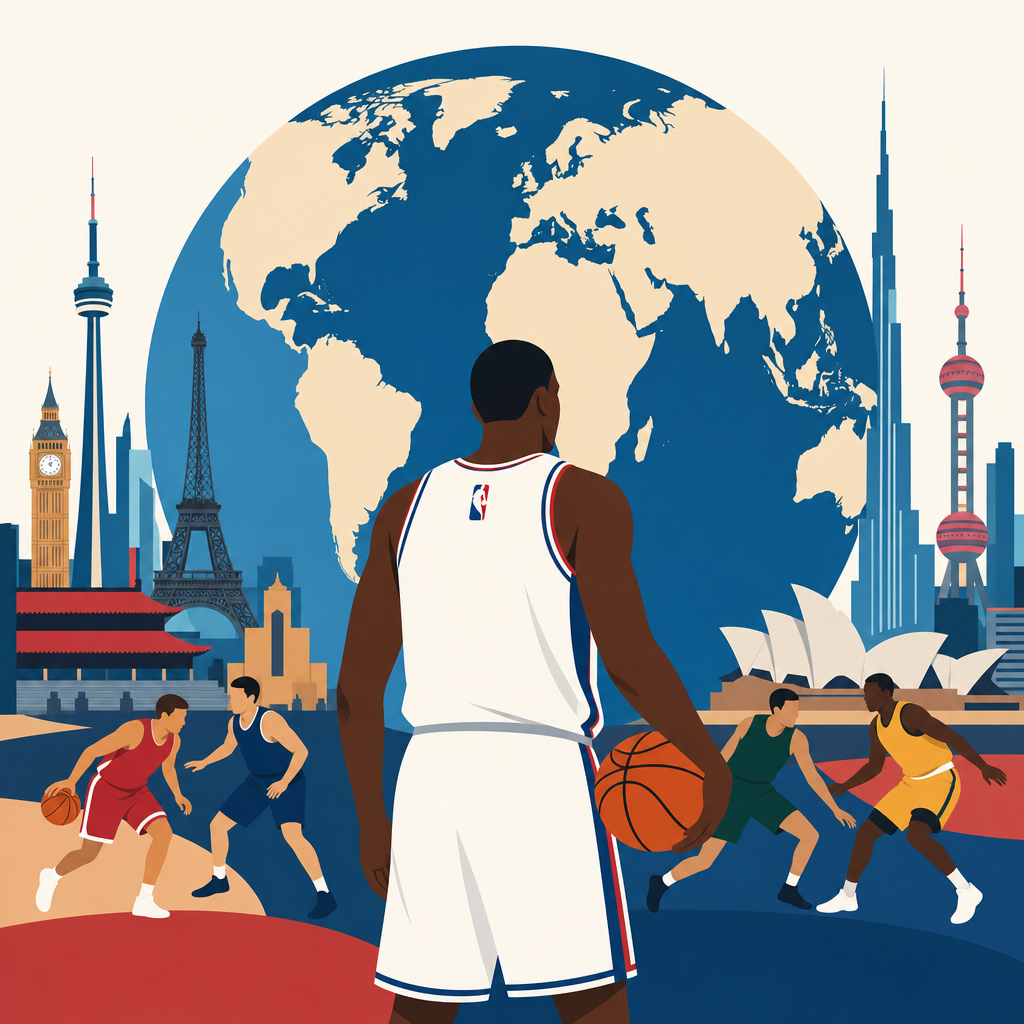
The NBA global games history is the clearest proof that basketball’s top league stopped being a domestic product decades ago and became a worldwide sports institution through deliberate expansion, media strategy, and international player development. In practical terms, “global games” refers to NBA preseason, regular-season, exhibition, and special event contests staged outside the United States and Canada, along with the broader initiatives that made those games meaningful: overseas television rights, grassroots academies, merchandising, digital distribution, and the recruitment of international talent. I have worked on basketball content and research projects long enough to see the pattern repeat across eras: the league enters a market with exhibition games, builds media partnerships, introduces stars fans can recognize, and then deepens engagement through local programs and year-round access. That sequence explains why an event that once felt promotional now fits naturally into the NBA calendar.
This history matters because the league’s current identity cannot be understood through American box scores alone. A modern NBA fan may watch Victor Wembanyama from France, Luka Doncic from Slovenia, Shai Gilgeous-Alexander from Canada, and Giannis Antetokounmpo from Greece in a single night, then buy League Pass from Manila, Paris, Lagos, or Mexico City. The league’s business model, talent pipeline, and cultural reach all depend on that international footprint. Global growth also changed the product on the court. Different coaching traditions, skill development systems, and FIBA influences expanded how NBA teams value spacing, passing, shooting, and positional versatility. To understand the NBA history of global growth, you have to track both the games played abroad and the infrastructure that turned one-off appearances into durable fandom.
The earliest stage of NBA globalization was modest, but important because it created precedent. In the 1970s and 1980s, American basketball gained traction overseas through Olympic competition, touring teams, television syndication, and the spread of local federations. The NBA itself was not yet the polished export machine it would become, but it recognized opportunity. Exhibition tours and cross-border events introduced the league to audiences that knew the sport yet had limited access to its highest level. Canada, Europe, and parts of Latin America became natural early targets because they already had organized basketball cultures and broadcast markets. At this stage, the league was not selling full immersion. It was selling visibility, credibility, and aspiration.
The turning point came when global exposure aligned with global star power. Magic Johnson and Larry Bird restored the league’s prestige in the 1980s, but Michael Jordan transformed it into a universal entertainment brand in the 1990s. Jordan’s appeal crossed language barriers because his game, image, and winning were instantly legible. The 1992 United States Olympic “Dream Team” accelerated that shift. Although it was not an NBA league event, it functioned as the most powerful international marketing campaign basketball has ever seen. Fans around the world saw NBA players not as distant Americans, but as the standard of the sport. The league then capitalized through international broadcasts, merchandise, and eventually a more structured schedule of games abroad. From that point forward, NBA global games history became inseparable from the league’s rise as a worldwide league.
Early International Steps and the Logic Behind Them
The NBA did not become global through one announcement or one season. It expanded by solving a basic question market by market: why would a fan in another country care consistently? Early international games provided the first answer by turning the league from a television abstraction into a live event. When teams traveled abroad for exhibitions, local fans could finally connect names, uniforms, and styles of play to a real arena experience. Those games also let broadcasters, sponsors, and venue operators test demand. In my experience reviewing attendance patterns and media coverage from these tours, the key value was not just ticket revenue. It was market validation.
Europe became especially important because it combined strong domestic basketball traditions with affluent media markets. Countries such as Spain, Italy, France, Greece, and later Germany already produced knowledgeable audiences. Latin America offered a different advantage: intense passion, younger demographics, and cultural openness to American sports entertainment. Japan and China presented scale. Canada, while geographically close, was strategically vital because it allowed the NBA to prove that permanent expansion beyond the United States could work. These regions did not develop on identical timelines, but the logic was consistent. The league looked for places with basketball literacy, commercial infrastructure, and the ability to support recurring engagement after the teams flew home.
The NBA also learned that international growth requires localization, not just export. A game played in Paris or Mexico City means more when supported by local-language broadcasting, regional social media, youth clinics, sponsor activations, and recognizable players with ties to the market. This is why early outreach evolved into a broader operating model. Instead of asking fans abroad to consume the NBA exactly as Americans did, the league adapted presentation, scheduling, and partnerships to local habits. That strategic flexibility became a defining feature of its worldwide expansion.
The 1990s Breakthrough: Jordan, the Dream Team, and Global Television
If one decade made the NBA a worldwide league, it was the 1990s. Michael Jordan gave the league a singular icon, and the Dream Team gave international audiences a concentrated showcase of NBA excellence. After the 1992 Barcelona Olympics, demand for NBA content surged across Europe, Asia, and Latin America. Broadcasters wanted more rights. Retailers wanted licensed merchandise. Youth players wanted NBA shoes, jerseys, and training methods. The league was ready with a product that was visually compelling and easy to market: superstar-led teams, recognizable branding, and highlight-driven storytelling.
Television distribution was the backbone of this era. Before streaming, appointment viewing mattered, and the NBA worked to place games on networks that could build habitual audiences. Delayed broadcasts, weekly packages, highlight shows, and localized commentary helped bridge time-zone barriers. The league also leaned into storytelling around individual stars, because a fan who first learned the NBA through Jordan could later discover the Bulls, then the playoffs, then the league as a whole. This pattern repeated with Shaquille O’Neal, Kobe Bryant, Allen Iverson, and later LeBron James. Stars opened the door; media systems kept fans inside.
The decade also normalized the idea that international audiences were not peripheral. They were part of the league’s future. That shift influenced scheduling, sponsorship, and talent scouting. NBA front offices increasingly monitored overseas players, while the league office treated foreign markets as long-term investments rather than novelty stops. By the end of the 1990s, global growth was no longer an experiment. It was a strategic pillar.
From Exhibition Tours to Official Global Games
The next phase was institutionalization. Rather than relying only on promotional tours, the NBA created more formal international series, including preseason games and, eventually, regular-season contests abroad. The NBA Japan Games, NBA Europe Live, NBA Mexico City Games, NBA China Games, and NBA Paris Games each served a specific purpose. Some tested mature basketball markets. Others targeted major media economies. Regular-season games mattered most because they signaled seriousness. Fans knew they were watching standings, not theater.
Mexico City became one of the most important recurring destinations because it combined population scale, arena capability, and regional symbolism. Arena CDMX demonstrated that a major Latin American city could host NBA events at a high operational standard. London and Paris served a different role by placing the league in global capitals with strong tourism, sponsorship appeal, and cross-border media attention. China, before recent geopolitical and business complications, was central because of its enormous audience and commercial upside. Japan represented a technologically advanced market with deep sports fandom and brand partnership potential.
Running these games is more complex than shipping two teams overseas. League operations must handle travel recovery, practice facilities, customs logistics, sponsorship obligations, broadcasting windows, court specifications, security planning, and player workload management. Teams often arrive days early to adjust. Medical and performance staffs monitor sleep disruption and hydration carefully. Those details matter because a badly staged event can damage trust with players and coaches. The NBA’s ability to repeat these games over years showed that global events had moved from spectacle to operational competency.
| Market | Why It Mattered | Typical Game Type | Strategic Impact |
|---|---|---|---|
| Mexico City | Large population, strong regional hub, growing fan base | Regular season and preseason | Expanded Latin American relevance and tested long-term market viability |
| London | Global media capital, sponsor appeal, tourism draw | Regular season | Raised European visibility and premium brand positioning |
| Paris | Elite basketball culture, fashion influence, rising French talent | Regular season | Connected league growth to France’s player pipeline and cultural cachet |
| China | Massive audience and commercial scale | Preseason | Drove broadcasting, sponsorship, and digital growth despite later tensions |
| Japan | Strong consumer market and established sports business ecosystem | Preseason | Strengthened Asia strategy and multinational brand partnerships |
International Players Changed the League From Within
Global games helped the NBA reach the world, but international players made the world part of the NBA itself. The league’s international talent history includes pioneers such as Hakeem Olajuwon from Nigeria, Drazen Petrovic from Croatia, Detlef Schrempf from Germany, and Arvydas Sabonis from Lithuania, followed by impact stars like Dirk Nowitzki, Tony Parker, Pau Gasol, Manu Ginobili, Yao Ming, and Steve Nash. Today, international MVP-level players are not exceptions. They are central figures in championship races and league marketing.
This evolution changed scouting and team-building. NBA franchises built larger international departments, relied more heavily on live overseas evaluation, and integrated data from FIBA competitions, EuroLeague play, and domestic leagues. The success of Nowitzki validated patience with skill-based big men. Ginobili showed how creativity and competitiveness from international systems could thrive in the NBA. Yao Ming opened China commercially while also proving that a global star could reshape a franchise’s visibility overnight. Antetokounmpo, Jokic, Doncic, and Wembanyama represent the current phase: players developed partly outside the American pipeline who arrive as foundational talents.
On the court, international influence broadened the sport’s style. European development systems emphasized passing, off-ball movement, and tactical versatility. Big men were often taught to handle, shoot, and read the floor rather than simply occupy the paint. FIBA competition encouraged decision-making in tighter spaces. As those ideas entered the NBA through players and coaches, they blended with American athleticism and shot creation. The result is the modern game: more spacing, more skill at every position, and more strategic interchangeability.
Media, Merchandising, and Digital Access Built Daily Fandom
No league becomes global by staging a handful of overseas games. Sustainable growth comes from habitual access. The NBA built that habit through television rights, international websites, local-language social channels, e-commerce, and League Pass. In earlier eras, fans abroad might wait days for highlights. Today they can watch live streams, short-form clips, condensed games, and player interviews on demand. That accessibility transforms interest into routine.
Merchandise also mattered more than many histories acknowledge. Jerseys, sneakers, caps, and trading cards turned fandom into identity. The Bulls logo in the 1990s, the Lakers’ international popularity, and the Warriors’ global rise during the Stephen Curry era all show that brand recognition can travel faster than local sports loyalties. When a young fan in Manila or Madrid wears a team jersey, the NBA becomes embedded in everyday culture, not just nighttime entertainment. Retail partnerships and licensed products therefore functioned as growth infrastructure, not side revenue.
Digital distribution intensified this process. Social media let the league tailor content by region, language, and player popularity. A French audience could receive Victor Wembanyama clips, a Slovenian audience Luka Doncic highlights, and a Mexican audience content built around regional game events. The underlying lesson is straightforward: global fans do not want generic outreach. They respond to content that recognizes their time zone, language, and local heroes.
Grassroots Programs, Academies, and the Long-Term Growth Model
The most durable global strategy begins before professional fandom. Youth participation creates the next wave of players, viewers, coaches, and consumers. That is why the NBA invested in Basketball Without Borders, Jr. NBA programs, training camps, and NBA Academies. These initiatives do two jobs at once. They improve player development in underserved or emerging regions, and they bind families and local federations to the league’s ecosystem.
Basketball Without Borders, launched with FIBA in 2001, has been especially influential. It combines elite instruction, mentorship, and international exposure for young prospects from multiple continents. Several NBA players and prospects passed through its camps, and even participants who do not reach the league often become ambassadors for the sport in their home countries. NBA Academies in regions including Africa, India, and Latin America pushed this approach further by creating structured training environments with education support and year-round development.
The Basketball Africa League, launched in 2021 in partnership with FIBA, marked another important step. While it is separate from the NBA season, it reflects the same global growth logic: invest in local competition, create visible pathways, and build basketball economies rather than simply exporting American games. Africa has long supplied elite talent, but formal investment in leagues, facilities, coaching, and media helps the sport develop more broadly across the continent. That is how worldwide leagues endure. They create systems, not just moments.
Challenges, Tradeoffs, and What Global Growth Really Means
The NBA’s worldwide expansion is a success, but not a frictionless one. Travel strain is real, especially when regular-season games are played overseas. Time-zone differences complicate live viewing. Political tensions can affect business relationships, as seen in the league’s complicated position in China after 2019. Not every market that loves basketball can support an NBA franchise, and not every international event produces lasting local conversion. There is also a balancing act between broadening the calendar and protecting player health.
Still, the historical record is decisive. The NBA became a worldwide league because it combined live events, global stars, media rights, merchandise, digital access, and grassroots development into one reinforcing system. Global games were the visible tip of that system, not the whole structure. For readers exploring NBA history, this is the core takeaway: international growth was not accidental, and it did not happen only because basketball is entertaining. It happened because the league invested patiently in markets, adapted to local conditions, and welcomed international talent as central rather than supplemental. That approach changed who watches the NBA, who plays in it, and what the game looks like today. If you are building your understanding of NBA history, start here, then follow the league’s expansion through specific regions, landmark games, and the international stars who turned global interest into permanent transformation.
Frequently Asked Questions
What are NBA Global Games, and why are they so important in league history?
NBA Global Games are official league-sanctioned contests and events held outside the United States and Canada, including preseason matchups, regular-season games, exhibition tours, and special promotional showcases. They matter because they represent the practical moment when the NBA stopped acting like a North American league with occasional international interest and started operating like a true global sports brand. These games were not just one-off marketing stunts. They were part of a larger strategy that included international broadcasting deals, localized fan engagement, grassroots basketball development, sponsorship expansion, and the recruitment of elite players from around the world.
Historically, the importance of these games comes from what they signaled to fans, media partners, and players. When the NBA staged games abroad, it gave international audiences direct access to the league’s style, stars, and culture in their own markets. That helped turn passive viewers into dedicated fans. It also showed corporate partners and broadcasters that basketball had commercial power far beyond North America. Over time, Global Games helped normalize the idea that NBA teams, players, and storylines belonged to a worldwide audience. In that sense, the games were both symbolic and functional: symbolic because they showcased the NBA’s international ambition, and functional because they built the fan base, media reach, and economic infrastructure needed for long-term global growth.
When did the NBA begin playing games internationally, and how did those early efforts evolve?
The NBA’s international journey did not begin overnight, and it certainly did not start with today’s polished regular-season events in major global cities. The league’s early overseas efforts were more experimental, often centered on exhibition tours and promotional games intended to test market interest. These early appearances helped the NBA understand where basketball already had cultural traction and where investment could create long-term returns. Over the years, the league gradually expanded from occasional showcases into a more organized international calendar that included preseason games, special events, and eventually regular-season contests staged abroad.
The evolution matters because it shows how deliberate the NBA’s strategy really was. At first, global events were mostly about visibility and brand introduction. Then they became tools for media rights negotiations, local sponsor activation, and fan development. As television distribution improved and international stars entered the league in greater numbers, overseas games became much more meaningful. A fan in Europe, Latin America, or Asia was no longer just watching imported entertainment; they were seeing a league that actively recognized their market. The later addition of regular-season games carried even more weight because those contests counted in the standings, making them feel authentic rather than ceremonial. That shift from exhibition curiosity to competitive significance is one of the clearest indicators of how the NBA’s global strategy matured over time.
How did international players help make the NBA a worldwide league?
International players were essential to the NBA’s transformation into a global institution because they gave overseas audiences a personal stake in the league. Broadcasting and overseas games can create awareness, but player representation creates emotional investment. When elite athletes from Europe, Africa, Asia, Latin America, and other regions entered the NBA and succeeded, they turned the league from something foreign into something locally relevant for millions of fans. A supporter in Serbia, France, Germany, Argentina, Nigeria, China, or Australia could now follow the NBA not just as a spectacle, but as a league connected to their own basketball identity.
This impact was cultural, competitive, and commercial all at once. Culturally, international stars helped prove that basketball excellence was not limited to the American system. Competitively, they changed the way the NBA looked and played, bringing new styles, skill sets, and strategic influences. Commercially, they made it easier for the league to grow television ratings, jersey sales, digital engagement, and sponsorship opportunities in their home markets. The NBA also benefited from a reinforcing cycle: global games helped expose the league internationally, that exposure inspired player development abroad, and those players then made international fans even more invested. In many ways, the rise of international talent is one of the strongest reasons the NBA’s global expansion worked so well. Fans are more loyal when they can see themselves, their countries, and their basketball traditions reflected on the court.
What role did media, television, and digital strategy play in NBA global expansion?
Media strategy was just as important as the games themselves, and arguably even more important in the long run. A single game in another country can create excitement for one night, but television distribution, highlight packages, streaming access, social media content, and localized digital platforms create sustained fandom. The NBA understood that for global games to matter, fans needed ways to keep following teams and players before and after those events. That is why international broadcasting partnerships became a foundational part of the league’s expansion model. Once games were consistently available in local markets, the NBA could turn curiosity into habit.
The league also moved beyond simple distribution and focused on localization. That meant content tailored for specific languages, time zones, and regional audiences. Instead of expecting international fans to consume the NBA exactly as American fans did, the league adapted its presentation to different markets. This made the brand feel more accessible and more intentional. Digital media accelerated that process even further by allowing fans anywhere in the world to watch highlights instantly, follow players directly, engage with league content on social platforms, and participate in global basketball conversations in real time. In effect, media transformed the NBA from a product exported abroad into a sports ecosystem available everywhere. Without that infrastructure, overseas games would have had limited lasting value. With it, they became catalysts for permanent international engagement.
Why are NBA Global Games considered proof that basketball became a worldwide league rather than just an American one?
NBA Global Games are often treated as proof of basketball’s internationalization because they bring together all the major forces that define a worldwide league: geographic expansion, competitive legitimacy, global media reach, multicultural player representation, corporate investment, and fan communities spread across continents. A domestic league can have international viewers, but a worldwide league actively builds relationships with audiences outside its home territory. The NBA did that by taking games abroad, developing youth programs, partnering with local basketball organizations, signing broadcast deals across regions, and embracing players from all over the world as central figures rather than side stories.
These games also demonstrated commitment. It is easy for a league to say it has global ambitions; it is much harder to move teams, organize events overseas, commit regular-season inventory, and invest in market development over decades. The NBA did exactly that. Each international event helped reinforce a broader message: the league’s future was tied to global growth, not just domestic popularity. Over time, that message became reality. Today, the NBA’s audience, talent pipeline, sponsorship base, and cultural influence are unmistakably international. Global Games did not achieve that transformation alone, but they became the most visible and convincing evidence that the NBA had evolved into a worldwide sports institution with deep roots far beyond North America.