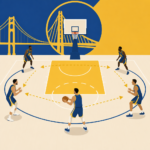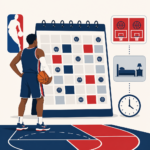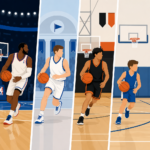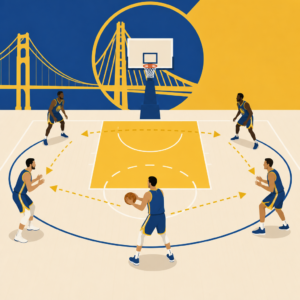

A good screen in basketball creates separation without dribbling, turns one offensive player into an advantage for another, and often decides whether a possession ends with a clean look or a forced shot. In simple terms, a screen is a legal attempt by an offensive player to impede a defender’s path by establishing position and staying stationary at contact. When coaches talk about screening technique, angle, and timing, they mean three connected skills: how the screener sets the body, where the screener points that body relative to the defender, and when the screen arrives within the action. I have coached and charted enough half-court possessions to know that the difference between a useless screen and an elite one is usually not strength; it is precision. This matters because modern offense depends on creating tiny advantages. Whether you run youth motion, college continuity ball screen offense, or NBA spread pick-and-roll, a well-set screen helps unlock drives, open threes, force switches, and create slips to the rim.
Offense in basketball is the organized effort to generate efficient shots and limit wasted possessions. That includes spacing, cutting, passing, dribbling, finishing, screening, and decision-making after the defense reacts. Within the broader Basketball Skills topic, screening is a hub skill because it connects directly to every major offensive action: pick-and-roll, pick-and-pop, off-ball pin-downs, flare screens, stagger screens, wide pindowns, hammer actions, Spain pick-and-roll, dribble handoffs, and baseline out-of-bounds sets. A player who understands how to set a good screen also starts to understand offensive geometry. The screener learns how spacing shrinks help defense, how angles influence where the ball handler can attack, and why timing determines whether a teammate catches the defense moving or waiting. If you want a better offense, better screening is one of the fastest upgrades available because it improves teammates as much as the screener.
What a good screen is and why it powers offense
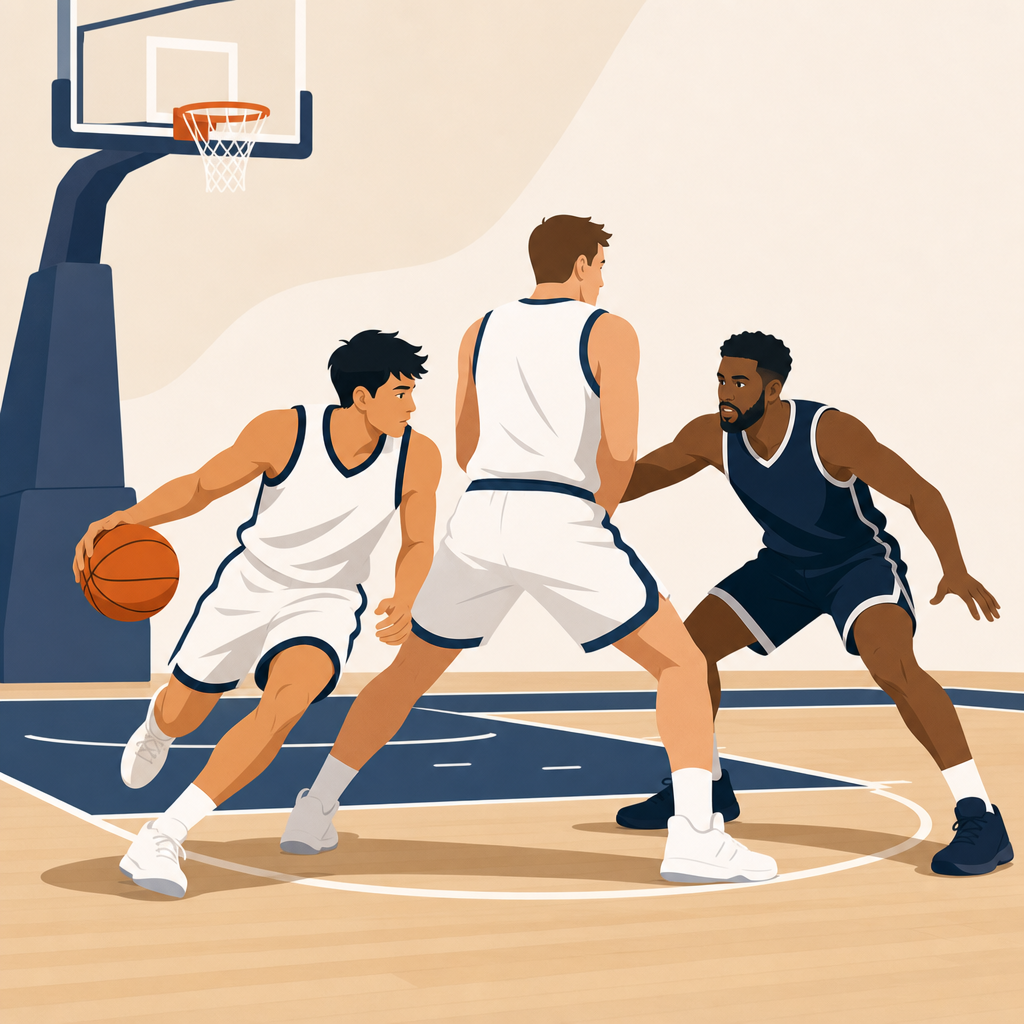
A good screen in basketball is legal, on time, and useful. Legal means the screener establishes position with a wide, balanced base and does not move into the defender at contact. On time means the screen arrives as the handler or cutter is ready to use it, not two beats early or a step late. Useful means it sends the defender into a bad route, forces the defense to help, switch, trail, or recover, and creates an immediate offensive read. Many players think the job ends once they stand still. It does not. The screener must identify who is being screened, how that defender is guarding, and where the next passing lane or driving lane will open.
In practical offensive terms, screens create three kinds of advantage. First, they generate downhill pressure by freeing a ball handler’s inside shoulder. Second, they force defensive communication, which is where many breakdowns happen at youth, high school, and even professional levels. Third, they trigger secondary actions after the initial contact: the roll, pop, short roll, rescreen, ghost, or slip. If your offense includes pick-and-roll reads, off-ball actions for shooters, or post entries that need weak-side movement, screening quality affects all of it. That is why elite offenses teach screen setting as a decision skill, not just a contact skill.
Screening technique: stance, legality, and contact discipline
The first step in setting a good screen is arriving under control. Sprinting into the action is useful only if the screener can decelerate and establish position before contact. The feet should be slightly wider than shoulder width, knees bent, chest upright, hands protecting the body, and eyes on the defender being screened as well as the teammate using the action. Balance matters more than bulk. A lighter player with strong footwork can set an excellent screen because the goal is not to knock the defender over; it is to occupy legal space and make the defender choose a longer path.
To avoid an illegal screen, the screener must be stationary at the moment of contact. This is where many fouls occur. Players lean hips into the defender, widen the frame after arriving, shuffle to chase the defender, or stick out a knee or elbow. Officials usually watch for movement into contact and for failure to provide the defender time and distance when the screen is set outside the defender’s visual field. Under FIBA and NFHS interpretations, the exact judgment can vary by play speed and angle, but the principle is consistent: arrive early enough, set your base, and absorb rather than initiate force. Teach young players to “hit first with stillness.” It sounds strange, but it works.
Contact discipline also includes the moment after the screen. Many offensive fouls happen because the screener turns too soon. Hold the screen a beat longer than feels natural, then open cleanly into the next action. On film, the best screeners look patient. Steven Adams has long been a model in this area: wide base, low center of gravity, little wasted movement, and no rush to leave before the defender is truly engaged. Smaller guards can learn the same habits on flare screens and handoff exchanges.
Angle: how body position shapes the defender’s route
Angle is the most misunderstood part of screen setting. Players often think “set a screen” means stand beside the defender. In reality, the screener should place the body to remove the defender’s preferred path and invite the offensive player into space. For a side pick-and-roll, that usually means aligning the screen so the ball handler can turn the corner toward the middle or baseline depending on the coverage and scouting report. If the angle is too flat, the defender slips through. If it is too steep, the ball handler is forced backward and the action dies.
Good angle starts with knowing the objective. If the offense wants middle drive, the screener’s back should often face the sideline enough to block the on-ball defender’s inside recovery route. If the offense wants to reject the screen because the defender is cheating over, the screener may still need to approach as if the action is live to shift the defender’s feet. On off-ball pin-downs for shooters, the angle should direct the cutter’s defender into the screener’s chest while opening the receiver’s hips toward the pass. I teach screeners to ask one question before contact: where do we want the next dribble or catch to happen?
| Screen Type | Primary Angle Goal | Best Offensive Result | Common Mistake |
|---|---|---|---|
| Ball screen at top | Seal defender’s shortest route over the top | Downhill drive, pocket pass, switch mismatch | Setting screen too high or too flat |
| Side pick-and-roll | Force defender away from middle or toward help by design | Turn corner, snake dribble, short roll | Leaving no driving lane |
| Pin-down | Free cutter toward wing or slot | Catch-and-shoot or curl into paint | Screening parallel to cutter’s path |
| Flare screen | Send defender under and behind to open space away from ball | Skip pass three | Standing too close to the cutter |
| Back screen | Block defender’s retreat line to rim | Layup, lob, defensive switch | Telegraphing too early |
Timing: when the screen becomes valuable
Timing determines whether a good angle actually matters. The ideal screen lands when the defender is occupied and the user can attack immediately. In pick-and-roll, that means the screener should not arrive so early that the defense has time to pre-switch or so late that the ball handler must pause. In off-ball actions, the cutter must set up the defender first, often by walking the defender down, changing pace, or taking a jab step in the opposite direction before using the screen. Without that setup, even a technically legal screen creates little separation because the defender is never forced to recover.
One detail I emphasize is “screen into movement, not into standing.” If the ball handler is dribbling laterally with no threat to attack, the on-ball defender can slide under or call for help early. If the cutter jogs into a pin-down, the defender simply trails. Great timing pairs with pace. Jalen Brunson is excellent at waiting until the screener’s feet are set, then brushing shoulder to hip off the screen. Klay Thompson, in his peak movement-shooting years, did the same off the ball: slow into the setup, then explosive through the cut. The screen did not work by itself; the timing of the user made it punish the defense.
Teams should also connect timing to spacing. A screen near a crowded corner often helps the defense because help defenders are already close. A screen one step higher, with weak-side spacing maintained, creates passing windows and longer closeouts. In other words, good timing includes choosing the right moment within floor balance. Screening while a teammate is still cutting through your lane is usually poor offense. Screening once the lane is clear turns the same action into an efficient possession.
Using the screen: ball handler and cutter responsibilities
No screener can rescue a teammate who uses the pick poorly. The ball handler or cutter must make the screen effective by setting up the defender, brushing tightly off the screener’s body, and reading the coverage instantly. The phrase “shoulder to hip” remains the best coaching cue. Any extra daylight gives the defender room to squeeze through, go under, or recover from behind. Ball handlers should force the on-ball defender to believe the screen will be used, then attack the defender’s top foot. Cutters should sell one direction first, then explode off the screen with hands ready.
After the defender commits, the user must make the correct offensive read. Against drop coverage, that may mean a pull-up jumper, floater, pocket pass, or a snake dribble into the middle. Against a switch, the offense should recognize the mismatch quickly instead of dribbling aimlessly. Against an aggressive hedge or blitz, the screener’s release becomes the next pass target. This is why screen setting belongs at the center of offense instruction. It teaches players to connect action, reaction, and advantage. The best teams do not admire the first screen; they flow immediately into the read that follows it.
What happens after contact: roll, pop, slip, ghost, and rescreen
The screen is only the first half of the action. Once contact is made or the defense reacts, the screener becomes a playmaker. A roll means opening to the rim after screening, presenting a target with hands high and feet ready to finish. A pop means stepping away to open space for a jumper, most useful for shooting bigs or guards in pick-and-pop actions. A slip means leaving early before full contact because the defense is already preparing to switch or trap. A ghost screen is a fake screen, usually by a shooting wing, designed to confuse the defender and create a quick three or driving lane. A rescreen happens when the first angle does not win; the screener flips hips, resets position, and forces the defender to navigate a second obstacle.
These counters matter because defenses adapt. If a team switches every ball screen, hard contact may matter less than the threat of the screen and the quickness of the slip. If a team plays deep drop, a sturdy screen and hard roll may be the best answer. If defenders top-lock a shooter on pin-downs, the offense can counter with a back cut or a screen-the-screener action. In film sessions, I often tell players that the first screen asks a question and the second action punishes the answer. That mindset produces better offense than treating screening as a static task.
Common mistakes and how to fix them in real games
The most common screening mistakes are arriving too fast, moving on contact, setting poor angles, failing to communicate, and separating too early. Another major error is screening a defender who does not need to be screened. Young players often run to the ball and clog the action instead of identifying where the defense is vulnerable. The fix is to teach purpose: screen a trailing defender, a defender denying a shooter, or a defender whose help position can be manipulated. Empty actions waste space; targeted actions create offense.
Communication helps. A simple verbal cue like “left, left” or “use it” can prepare the teammate, though advanced teams also use silent signals to avoid tipping coverage. Drill work should include live defense, not just air reps. Start with stationary technique, then add guided reads, then move into 2-on-2, 3-on-3, and 5-on-5 constraints. One effective drill is 2-on-2 pick-and-roll with a rule that the handler must brush the screen and the screener must hold for a full beat. Another is pin-down shooting with a coach acting as the defender, forcing the cutter to read curl, fade, or straight pop. Players improve faster when the drill teaches both screen quality and offensive decision-making.
Building an offensive hub: how screening connects to every other basketball skill
As an offense hub within Basketball Skills, screening should be linked mentally and tactically to spacing, passing, ball handling, shooting, cutting, finishing, and transition flow. A strong screen means little if spacing is poor. A great angle goes unused if the passer cannot deliver the pocket pass or skip pass. A freed shooter still must have footwork on the catch. This is why the best offensive development plans do not isolate skills for long. They connect them. In practice, that means teaching a ball screen with reads, then layering weak-side relocation, corner lift, short-roll passing, and finishing against rim protection. It means teaching off-ball pin-downs alongside catch-and-shoot mechanics and backdoor counters.
When players learn screening this way, they stop seeing offense as random motion. They begin to understand sequence. Set up the defender, screen with balance, create the angle, use pace, force the coverage, read the help, make the next play. That sequence applies from youth basketball to the highest levels of the game. If you want your offense to produce cleaner looks, fewer stagnant possessions, and more five-player connectivity, start by demanding better screens. Practice them deliberately, film them honestly, and tie every screen to the shot or advantage it should create. Then carry that detail into every other offensive skill your team develops.
A good screen in basketball is not a small detail. It is one of the central tools that makes offense work. Technique keeps the action legal and strong. Angle determines the defender’s route and the ball’s next advantage. Timing turns a static act into a live weapon. From ball screens and pin-downs to slips, pops, and rescreens, every part of screening influences spacing, passing lanes, shot quality, and overall offensive efficiency. Players who master screening become more valuable even when they are not scoring, because they create opportunities for everyone on the floor.
The biggest takeaway is simple: stop thinking about screens as just standing still. Think of them as deliberate offensive design. Arrive under control, set your base, choose the correct angle, wait for the right moment, and flow immediately into the next read. If you coach, build these details into your offense drills. If you play, watch film and chart whether your screens actually create separation. Start there, and the rest of your offensive game will get better fast.
Frequently Asked Questions
What makes a screen legal and effective in basketball?
A good screen is both legal and useful, and those two things go together. A legal screen starts with the screener establishing position before contact happens. That means getting to the spot early, setting a wide and balanced base, keeping the feet still, and remaining stationary when the defender makes contact. The screener cannot lean into the defender, stick out a hip, extend an arm, or slide sideways at the last second to create contact. Those actions turn a solid screen into an offensive foul. Effectiveness comes from more than just standing in the defender’s way. The screener has to arrive on time, choose the right angle, and create a clear path for the ball handler or cutter to use the screen shoulder-to-shoulder. If there is too much space between the user and the screener, the defender can slip through. If the screener arrives late or faces the wrong direction, the defense can avoid the pick entirely. In practical terms, an effective screen makes the defender make a difficult choice: go over, go under, switch, hedge, or get hit by the screen. When a screener is under control, balanced, and positioned with purpose, the offense gains an advantage without needing a dribble move to win the possession.
How should a player position their body when setting a good screen?
Body position is the foundation of screening technique. A screener should approach under control, stop on balance, and get into an athletic stance with the knees bent, chest upright, and feet set slightly wider than shoulder width. The arms should stay tucked in close to the body to avoid pushing or hooking, and the torso should remain still through the moment of contact. The key is to be strong without being active. In other words, the screener absorbs contact rather than creating it. Head and shoulders matter too. If a player leans forward or twists at the last second, officials often read that as movement. Good screeners also think about where their body is directing the defender. The goal is not simply to stand somewhere on the floor. It is to place the body in a way that blocks the defender’s most direct route while leaving a clean lane for the teammate using the screen. That is why coaches emphasize “screening with your angle” rather than just “setting a pick.” A well-positioned body can force the defender over the top, invite a switch, or open a driving lane. After contact, the screener should stay grounded for a beat, then react based on the play by rolling to the basket, popping to space, or re-screening if the defender recovers.
Why is screen angle so important, and how do you choose the right one?
Angle is what determines whether a screen creates a real advantage or just traffic. A screen set at the right angle takes away the defender’s easiest path and guides the ball handler or cutter toward open space. A screen set at the wrong angle often does the opposite, helping the defense recover. For example, if the screener is too flat on a ball screen near the top of the key, the defender may slip under with no problem. If the screener opens the body too early toward the sideline, the defender may chase over the top and stay attached. The right angle depends on where the defender is, where the help defense is waiting, and what the offense wants to create. Against a defender trailing tightly, the screener may set the pick to force the defender over and open a turn-the-corner drive. Against a defender sitting low, the angle may encourage a pull-up jumper or a re-screen back the other way. Off-ball screens work the same way. If a teammate is cutting to the wing, the screener should position the body so the defender cannot take the direct route to the catch point. The best way to think about angle is this: do not screen where the defender is standing, screen the path the defender wants to use next. When players understand angle, screens become strategic tools rather than random collisions.
When is the best time to set a screen, and why does timing matter so much?
Timing is what turns a screen from a static action into a weapon. Even a perfect stance and angle will not matter if the screen comes too early or too late. A screener should arrive just as the teammate is ready to use it, not several seconds before. If the screen is set too early, the defense has time to call it out, switch it, or reposition. If it is late, the ball handler has already committed to a drive or the cutter has already missed the window. Good timing requires reading the pace of the possession. The screener has to know when the ball handler is coming downhill, when the defender is locked onto the cutter, and when help defenders are occupied. In pick-and-roll situations, timing often means waiting until the ball handler has set up the defender and then stepping into position at the last legal moment. Off the ball, timing means screening just as the cutter changes speed or direction, so the defender runs into the screen while trying to recover. Great screeners understand that patience is part of timing. They do not rush to make contact. They let the play develop, then set the screen when it can create the biggest advantage. That is why timing is often the difference between a clean look and a broken possession.
What should the screener do after setting the screen?
The screen is only the first part of the action. What happens after contact is often what produces the shot. Once the screener has legally set position and made the defender deal with the screen, the next move should match the defense’s reaction. If the defender’s help comes high or the on-ball defender gets stuck, the screener can roll hard to the basket for a pass in space. If the defense collapses into the lane, popping out to open floor for a jumper may be the better option. If the defenders switch, the screener may seal the smaller defender, slip early into open space, or quickly re-screen to force another decision. On off-ball actions, the screener can open to the ball after contact, dive to the rim, or hold position long enough to free the cutter before relocating. One important detail is not leaving too soon. Many young players set a screen and immediately start moving before the contact actually affects the defense, which eliminates the advantage and can even lead to an illegal moving screen call. The best screeners make solid contact legally, pause long enough to create separation, then explode into their next action. In modern basketball, that second movement is often where the play is won. A strong roll, pop, short roll, or seal can punish whatever coverage the defense chooses and turn a simple screen into a high-value scoring chance.