
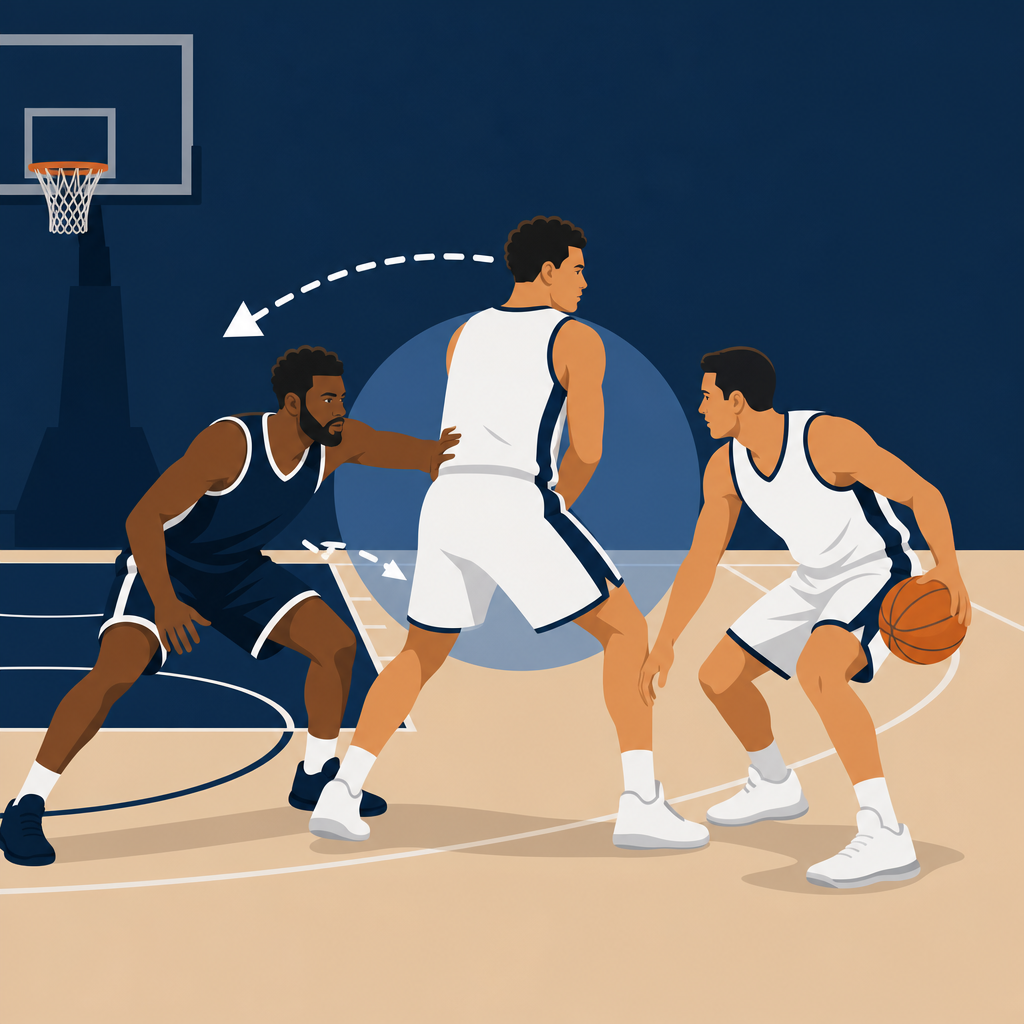
The pick-and-roll is the central problem every modern defense must solve, because one simple action can force a switch, create a driving lane, generate an open three, or trigger a chain of rotations that breaks the entire shell. In basketball terms, the pick-and-roll pairs a ball handler with a screener, usually a big, to attack two defenders at once and make them choose between protecting the ball, the rim, and perimeter shooters. If you want to understand team defense, on-ball technique, help principles, and communication, you start here. I have coached and broken down enough film to say this clearly: guarding the pick-and-roll is less about one magic coverage and more about teaching connected habits. The best defenses build a complete system around stance, screen navigation, tag responsibilities, weak-side support, and personnel-driven adjustments. That is why this topic matters for every level of the game, from youth teams learning basic shell concepts to NBA staffs game-planning against elite pull-up guards. This hub article covers the full defensive picture so readers can move from broad concepts into deeper work on closeouts, rim protection, switching, help defense, and defensive communication.
What guarding the pick-and-roll really means
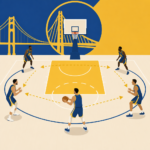
Guarding the pick-and-roll means coordinating at least five defenders against an action involving two offensive players, because the ball screen is designed to force help and then punish that help. The on-ball defender must influence the dribbler, avoid getting screened cleanly, and recover without opening a direct path downhill. The screener’s defender must show the right level to contain the ball while still recovering to the roll or pop. The low man, nail defender, and weak-side wing then become part of the coverage whether they want to or not. Coaches often describe this as “guarding the action behind the action,” because the initial screen is only the beginning.
At the NBA level, most teams classify pick-and-roll defense by coverage family: drop, switch, hedge, blitz, ice, weak, and various zone-based hybrids. Each coverage answers one priority question. Are you taking away the rim first? Are you trying to remove pull-up threes? Are you protecting a slower center? Are you putting the ball in the hands of a non-shooter? The coverage is the team’s answer, but the execution depends on footwork and timing. A drop is useless if the guard dies on the screen. A switch fails if the big cannot contain in space. A blitz gives up layups if the back line is late on the short roll. Good defense starts with choosing a plan that matches personnel and then drilling details until communication becomes automatic.
Core defensive principles that apply to every coverage
Before choosing a scheme, a defense needs non-negotiables. First is screen navigation. Guards must make contact with the screener’s hip, avoid drifting, and stay in pursuit. Going under, over, or through depends on the scouting report, but dying on screens is never acceptable. Second is ball pressure. The ball handler should feel a body and a hand nearby, because casual pressure turns every coverage into a practice rep. Third is paint protection. Even aggressive perimeter teams still build around limiting layups, free throws, and direct rim pressure. Fourth is early help positioning. The nail defender should be loaded to the ball, the low man should see both roller and corner, and weak-side defenders should “shrink the floor” without giving up an easy skip pass.
Communication ties these principles together. In film rooms, I always notice that the best possessions sound organized before they look organized. Defenders call the screen early, identify side or angle, and alert teammates to slips and rescreens. The phrase changes by team, but the function is universal: reduce surprise. NBA teams also rely on pre-switching, scram switching, top-locking shooters, and peel switching behind the action. Those tools are not separate from pick-and-roll defense; they are support mechanisms that clean up mismatches or prevent automatic reads. If you are building a defense hub, this is the connective tissue linking point-of-attack defense, help defense, closeouts, transition recovery, and rebounding after rotations.
Drop coverage: the league’s most common answer
Drop coverage places the screener’s defender below or near the level of the screen, protecting the paint while the on-ball defender chases over the top. Its goal is simple: keep the ball out of the middle, take away lobs and layups, and force a pocket of contested midrange shots or late floaters. This works best with a center who has size, touch around the restricted area, and disciplined footwork. Brook Lopez became a model for deep drop in Milwaukee, using length and positioning rather than chasing guards 30 feet from the basket. Rudy Gobert has also anchored versions of drop by shrinking the floor and deterring drives even when he is not blocking shots.
The tradeoff is obvious. Elite pull-up shooters can punish a conservative drop if the point-of-attack defender gets screened too easily. That is why drop is not passive when taught correctly. The guard must rearview contest from behind, the big must stay square and active without retreating too deep, and weak-side defenders must be ready to tag the roller. Against a guard like Stephen Curry or Damian Lillard, a soft drop can become target practice. Against a downhill driver without a reliable pull-up, drop can choke off the most efficient areas on the floor. In practical terms, drop is often the best regular-season base coverage because it protects the rim, limits rotations, and preserves rebounding shape.
Switching, hedging, blitzing, and icing compared
Teams choose more aggressive coverages when they want to disrupt rhythm, attack a specific ball handler, or hide a vulnerable defender. Switching exchanges assignments and keeps the ball in front, but it requires multiple defenders who can guard across positions. Boston has leaned on this approach because wings like Jayson Tatum and Jrue Holiday can absorb mismatches without immediate help. Hedging asks the big to jump out and momentarily stop the ball before recovering. Blitzing traps the ball handler with two defenders to force a retreat or a quick pass. Ice, often used on side pick-and-rolls, denies the screen and pushes the ball toward the sideline or baseline, away from the middle of the floor.
| Coverage | Main goal | Best use case | Main risk |
|---|---|---|---|
| Drop | Protect rim and rollers | Strong rim protector, average pull-up threat | Open pull-up jumpers |
| Switch | Eliminate advantage creation | Versatile lineups with mobile bigs | Post mismatches and isolation hunting |
| Hedge | Disrupt timing, let guard recover | Against quick guards needing rhythm | Short-roll playmaking |
| Blitz | Force ball out of star’s hands | Versus elite creators late in games | 4-on-3 behind the trap |
| Ice | Keep ball out of middle | Side pick-and-roll coverage | Reject drives if angle is poor |
No coverage is complete on its own. Switching can neutralize repeated screening actions, but if the offense can force a small onto a rolling big, the defense must scram switch him out before the entry pass arrives. Hedging can bother guards who need a clean pocket to turn the corner, yet it exposes the defense to short-roll creators like Draymond Green, who can catch at the foul line and pick apart the back line. Blitzing may work in short bursts against a dominant scorer, but overuse gives smart teams predictable reads. Ice is effective only when the on-ball defender jumps to the high side early and the big meets the drive with the correct angle. The point is not finding the universally best scheme. The point is matching the scheme to the ball handler, screener, spacing, and your own personnel.
Weak-side help, low-man rotations, and the back-line chess match
Most pick-and-roll breakdowns stop with the two defenders involved in the screen, but the real defensive test happens on the weak side. When the screener dives, the low man must step in early enough to deter the lob without losing sight of the corner shooter. The nail defender must stunt at the ball, then recover on the flight of the pass. The far-side wing may need to “x-out,” taking the first pass while a teammate rotates to his man. These are not bonus details. They determine whether a possession ends in a contested two or an uncontested corner three, the most valuable half-court shot besides a layup.
Miami under Erik Spoelstra has repeatedly shown how varied and precise back-line support can be. The Heat will zone up behind aggressive pressure, bring the low man from different spots, and disguise who is tagging the roller. The goal is to blur the offense’s expected read. Coaches often teach three rotation checkpoints: early, on time, and on the pass. Early help shows before the roller is free. On-time help meets him at the catch window. On-the-pass recovery means the defender is already moving as the ball leaves the handler’s hands. If your team is late at all three checkpoints, no coverage will survive. This is why help defense, closeout discipline, and communication deserve separate study within any basketball defense curriculum.
Game-planning by personnel, not by preference
Smart defenses do not call pick-and-roll coverage based on ideology. They game-plan by personnel. Against a non-shooting guard, going under the screen may be the right answer because it clogs the drive without surrendering an efficient shot. Against a stretch five who pops for threes, the big cannot sink as deeply as he would against a pure roller. Against a left-handed star, teams may load the left hand, send the screen to the sideline, or shade help from a specific corner depending on where the weakest shooter stands. The scouting report should answer concrete questions: Can the ball handler reject the screen? Is the screener a dangerous short-roll passer? Which spacer can we help off? Where does the team like to rescreen?
In playoff series, these details become decisive. Luka Doncic punishes single-coverage mistakes because he reads tags early and throws one-handed passes to the weak side. That means a defense must not only contain him at the point of attack but also rotate with precision behind the play. Trae Young stretches drop coverage with deep pull-up range and floater touch, forcing the big into a no-man’s-land decision. Anthony Edwards attacks switches with power, so automatic switching can become a trap for the defense rather than the offense. In my experience, the best game plans define “acceptable losses.” You might live with a contested midrange pull-up from a role player if it means preventing corner threes and rim attempts from the stars.
How coaches teach and drill pick-and-roll defense
Teaching pick-and-roll defense works best when coaches move from isolated technique to layered decision-making. Start with stance, angles, and screen navigation for guards, and footwork, retreat steps, and hand discipline for bigs. Then add two-on-two reps to establish the language of each coverage. After that, build to three-on-three with a tag defender, then four-on-four and five-on-five to train low-man rotations, x-outs, and rebounding after the scramble. I prefer short, high-repetition segments with clear scoring rules, such as awarding the offense points for paint touches, corner threes, and offensive rebounds. That aligns practice with the shots defenses are actually trying to remove.
Film should be tied directly to the drill plan. If a team is conceding rejects on side pick-and-rolls, show examples of poor top-foot positioning and then rep ice coverage with the correct body angle. If the issue is short-roll decision-making, freeze the film at the moment of the catch and identify where the low man and nail defender should be. Tools like Synergy Sports, Second Spectrum tracking, and lineup data help staffs measure what is working. But the numbers must connect back to teachable behavior. If opponents are scoring 1.05 points per direct pick-and-roll, ask why. Is the guard getting screened? Is the big too deep? Is the tag late? Diagnosis, not just data, produces better defense.
Guarding the pick-and-roll is the foundation of modern basketball defense because it forces every defender to combine individual skill with team coordination under pressure. The key lessons are straightforward. Pick a coverage that matches your personnel. Teach universal habits like ball pressure, screen navigation, paint protection, and loud communication. Build the back line around early tags, low-man presence, and disciplined closeouts. Then adjust by opponent, not by preference, because the right answer against one star creator may be the wrong answer against another. Whether your team leans on drop, switching, hedging, blitzing, or ice, success comes from precision and repetition rather than terminology alone.
As the hub for the Defense side of Basketball Skills, this page should guide how you study every related topic: on-ball defense, help rotations, rim protection, defensive rebounding, communication, and scouting-based adjustments. If you can explain who contains the ball, who tags the roller, who takes the first pass, and who cleans up the mismatch, you understand the possession. That is the real benefit of learning pick-and-roll defense: it turns complex NBA schemes into teachable, repeatable rules. Use this framework, revisit your film with these concepts in mind, and then move into the deeper defense articles to sharpen each layer of your system.
Frequently Asked Questions
What makes the pick-and-roll so difficult to defend in today’s NBA?
The pick-and-roll is difficult to defend because it forces two defenders to solve multiple threats at the same time, often in only a second or two. The ball handler can turn the corner and attack the paint, pull up for a jumper, hit the screener on the roll, or spray the ball out to shooters if help rotates. That means the on-ball defender, the screener’s defender, and the weak-side defenders are all involved in the outcome of a single action. Modern spacing makes the problem even harder. When teams place reliable shooters in both corners and a stretch big above the break, any help at the nail, tag from the wing, or low-man rotation can open a clean three.
What makes elite pick-and-roll offenses especially dangerous is that they do not just run one version of the action. They change the screener’s angle, use empty-side pick-and-rolls, bring a second screener into the play, slip screens before contact, or force the defense to guard the action higher on the floor. As a result, a defense is rarely just guarding a single screen. It is guarding a system of reads. That is why coaches talk so much about communication, early positioning, and five-man connectedness. Defending the pick-and-roll is not just about one defender getting over a pick or one big containing the ball. It is about the entire defensive shell shrinking and expanding in sync without giving up the rim or uncontested threes.
What are the main pick-and-roll coverages, and when do teams use each one?
NBA teams typically rely on a handful of core coverages: drop, switch, hedge or show, blitz, ice, and sometimes weak or downing techniques depending on side pick-and-roll alignment. Drop coverage is the most common because it keeps the big near the rim, protects against drives and lobs, and asks the on-ball defender to fight over the screen and recover from behind. It is often used when a team has a strong rim protector and wants to limit layups, but it can be vulnerable against elite pull-up shooters who are comfortable living in the pocket space.
Switching is used when a defense values simplicity and versatility. By exchanging assignments, the defense prevents immediate downhill advantage and can take away rhythm actions, but it may create mismatches if a guard ends up on a rolling big or a slower big gets isolated against an explosive perimeter scorer. Hedge or show coverage sends the big out briefly to disrupt the ball handler and buy time for the on-ball defender to recover. It can be effective against dynamic creators, but it requires precise timing and recovery because the screener can slip into open space behind the show.
Blitzing is the most aggressive option. Both defenders attack the ball handler to force the ball out of his hands, usually against a star playmaker. The tradeoff is that the offense may now play four-on-three behind the trap, so the weak side must rotate with discipline and urgency. Ice coverage is commonly used on side pick-and-rolls, where the on-ball defender jumps to the high side and forces the ball handler away from the screen and toward the baseline, while the big stays in position to contain. Teams choose among these coverages based on personnel, opponent tendencies, floor location, game situation, and what shots they are willing to concede.
How should the on-ball defender and the screener’s defender work together in pick-and-roll coverage?
The best pick-and-roll defense starts with the two defenders involved acting as a true partnership. The on-ball defender has to do more than just chase. He must influence direction, feel the screen coming, make early contact if legal, and decide whether to get over, under, or rear-view contest based on the coverage call and the shooter’s profile. If he dies on the screen, almost any coverage becomes compromised. Great point-of-attack defenders stay attached enough to bother the ball handler from behind, which reduces clean pull-ups and gives the big a chance to retreat back to the roller.
The screener’s defender must be equally precise. In drop, he needs the correct depth: too deep and the ball handler walks into a comfortable jumper; too high and the roll becomes exposed behind him. In a switch, he must absorb the ball without opening his hips too early, then rely on scram help or late matchup correction if the offense tries to punish the mismatch. In a hedge or blitz, he has to arrive on time, angle the ball where the defense wants it, and then recover with urgency once the pass is made. Communication is the glue that holds all of this together. Early calls such as “screen left,” “ice,” “up,” “drop,” or “switch” allow both defenders to prepare before contact occurs.
The key idea is that neither defender is solving the action alone. The guard must recover to eliminate easy pull-ups and pocket passes, and the big must contain without surrendering the rim. When those two players are connected and speak the same language, the entire defense behind them can rotate with confidence instead of reacting in panic.
What role do the weak-side defenders play when guarding the pick-and-roll?
Weak-side defenders are often the difference between a solid pick-and-roll possession and a defensive breakdown. Once the screen creates an advantage, the help defenders have to cover space, tag the roller, protect the rim, and still recover out to shooters. The low man is especially important. He is usually responsible for stepping in early to meet the rolling big at the rim area, preventing a lob or dump-off pass. At the same time, another defender may need to “x-out” or rotate behind the play to cover the low man’s original assignment, especially if the offense has a shooter in the corner.
This is where team defense becomes visible. The nail defender may stunt at the ball to slow penetration. The wing may sink into the lane to bump the roller. The corner defender may have to split the difference between a shooter and a cutter until the defense can fully recover. None of these rotations work without trust and timing. Help too early, and the offense finds the open shooter. Help too late, and the roller has a dunk or the ball handler gets to the rim. The best defenses rehearse these chain reactions constantly so that every player knows not only his first job but also the next job if a teammate rotates.
In practical terms, weak-side pick-and-roll defense is about shrinking the floor without losing the perimeter. That balance is incredibly hard to maintain in the NBA because passers are so skilled and spacing is so sharp. But if the weak side is active, early, and connected, it can turn a dangerous two-man action into a contested floater, a late-clock swing pass, or a difficult above-the-break three rather than a layup or wide-open corner shot.
How do defenses adjust their pick-and-roll strategy based on personnel and game situation?
Smart defenses do not use one coverage all game. They adapt based on who is handling the ball, who is setting the screen, where the action is happening, and what the offense is trying to hunt. Against a non-shooting guard, defenders may go under the screen more often and keep the big closer to the paint. Against an elite pull-up shooter, that same coverage can be disastrous, so the defense may play higher at the level, switch more often, or even blitz to force the ball out of his hands. If the screener is a dangerous pop threat rather than a rim runner, the big’s recovery path changes completely because he must be ready to contest on the perimeter instead of simply retreating to the basket.
Game context matters too. Late in games, offenses often target weak defenders through repeated screening until they get the matchup they want. Defenses may counter by pre-switching before the action begins, scram-switching a smaller defender out of the post after a switch, or top-locking shooters to disrupt the entry into the play. Teams also change coverages to break rhythm. A guard who has seen drop coverage for three quarters may be more vulnerable if he suddenly sees a trap or an ice call on the sideline. These changes are not random; they are calculated attempts to influence where the ball goes and who is forced to make decisions.
Ultimately, the best pick-and-roll defenses are flexible but disciplined. They understand their identity, but they also know that matchup-specific adjustments decide playoff games. The goal is not to erase the pick-and-roll completely, because that is unrealistic against elite NBA talent. The goal is to dictate terms, remove the opponent’s favorite reads, and force lower-efficiency options over the course of a game or series.