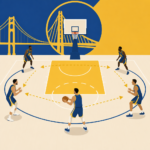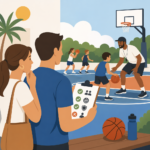

Basketball shoes do more than complete a uniform. They influence acceleration, stopping power, landing comfort, ankle stability, and long-term foot health. If you play regularly, the right pair can reduce fatigue, improve confidence in cuts, and help you avoid common overuse problems such as plantar fasciitis, shin splints, and irritated Achilles tendons. I have fitted players from youth guards to adult rec-league centers, and the same lesson keeps repeating: the best basketball shoes are not the most expensive or the most hyped. They are the pair that matches your body, your style of play, and the court you use most.
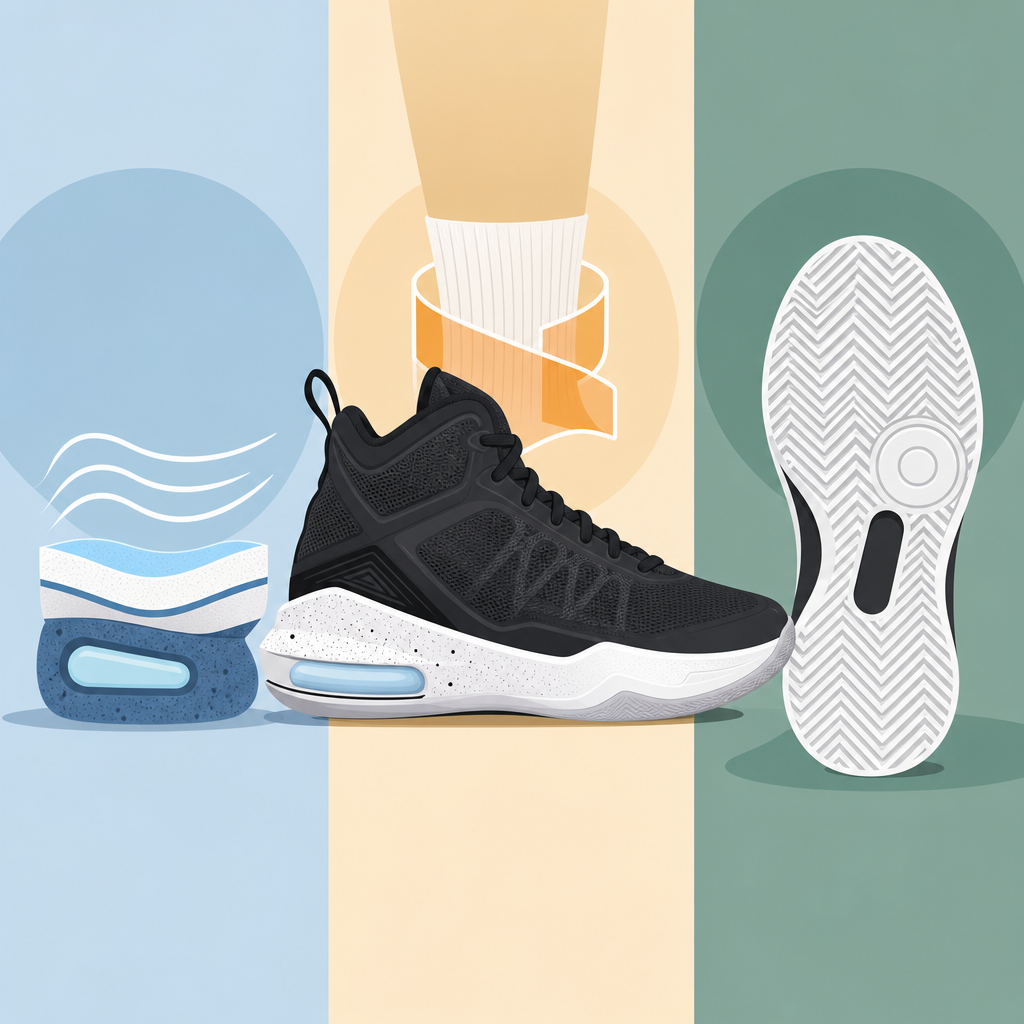
To choose basketball shoes well, you need to understand three core performance factors: cushion, ankle support, and traction. Cushion is the system underfoot that absorbs impact and manages energy return. Ankle support is the combination of collar design, heel containment, lacing structure, and lateral stability that helps control movement without restricting it so much that you lose quickness. Traction is the outsole’s ability to grip the floor during starts, stops, and changes of direction. Fit, materials, durability, and foot type matter too, but these three features decide whether a shoe feels fast, protective, and trustworthy.
This guide is the footwear hub for basketball equipment because every shoe decision connects to bigger questions players ask: low top or high top, indoor or outdoor, guard shoe or big-man shoe, budget model or flagship, and whether a shoe works with orthotics, braces, or wide feet. A guard who relies on sharp deceleration needs a different setup than a post player who absorbs repeated landing forces. A teenager playing on dusty school courts faces different traction demands than an adult playing outdoors on asphalt. Choosing well means evaluating the whole use case instead of following marketing labels.
Modern basketball footwear is built around tradeoffs. Softer foam usually feels better on impact but may compress faster or feel less stable on hard lateral moves. Aggressive traction can stop hard, yet shallow patterns may clog with dust and wear out quickly outside. High collars can feel secure, but collar height alone does not prevent ankle sprains; lockdown, heel fit, and outrigger width are usually more important. Once you understand how these components work together, buying shoes becomes simpler, and you can narrow your options quickly based on your needs instead of scrolling through endless release lists.
Start With Fit, Foot Type, and Playing Style
The best starting point is always fit. A basketball shoe should hold the heel firmly, keep the midfoot secure, and leave a thumbnail of space in front of the longest toe. If your toes hit the front on hard stops, the shoe is too short. If your heel lifts during jab steps or lateral slides, lockdown is poor even if the length seems right. Width matters just as much. Narrow shoes can cause hot spots along the little toe and arch, while shoes that are too wide let the foot slide over the footbed, increasing blister risk and reducing control.
Foot type changes what “good fit” means. Players with flat feet often need stable platforms, strong torsional rigidity, and shoes that work well with supportive insoles. Players with high arches usually prefer more underfoot cushioning because they absorb shock less naturally. Heavier players tend to compress soft foams faster and often benefit from denser setups, wider bases, and robust heel counters. Lighter, shiftier guards may prefer a lower-to-the-ground ride that improves court feel and quick transitions. Position is not everything, but movement patterns matter. Ask how you actually play: do you sprint in straight lines, plant hard, rebound in traffic, or live on step-backs?
Surface also matters immediately. Indoor hardwood rewards softer rubber compounds and detailed traction patterns, but those same outsoles often wear down quickly outside. Outdoor courts demand harder rubber, deeper grooves, and uppers that can tolerate abrasion near the toe drag area. If you split time evenly, expect compromise or buy two pairs. Rotation extends performance because cushioning rebounds better between sessions, and the outsole does not wear as quickly under constant use. Serious players often keep one pair for games, one for practice, and one for outdoor runs.
Cushion: Impact Protection, Court Feel, and Energy Return
Cushioning answers a simple question: how does the shoe handle repeated impact? Every jump, rebound, and hard closeout sends force through the foot, ankle, and lower leg. Good cushion reduces that stress and helps distribute pressure. In basketball shoes, cushion usually combines carrier foams such as EVA, compression-molded EVA, TPU-based compounds, PEBA blends, or proprietary supercritical foams with embedded units like Nike Air Zoom, full-length Air, adidas Lightstrike Pro variants, or PUMA’s nitrogen-infused foams. Marketing names vary, but the performance test is practical: how soft, stable, and responsive does the shoe feel after two hours, not two minutes?
There is no universal best cushioning type. Plush setups help heavier players, frequent jumpers, and anyone with knee or heel soreness. They can also make long sessions less punishing on unforgiving courts. The tradeoff is reduced court feel. If the midsole is too soft or too tall, some players feel delayed when planting or changing direction. Firmer, lower-profile setups give faster feedback from the floor and often feel more stable laterally, which many guards prefer. The downside is less impact protection, especially for players who land hard on one foot or train several days each week.
When I assess cushion, I look at four details: heel softness, forefoot responsiveness, compression over time, and sidewall containment. Heel-dominant players usually want protection on landings. Forefoot-focused guards need quick pop during first-step acceleration. Compression over time matters because a shoe that feels excellent in the store may bottom out after a month if the foam is too soft for the player’s weight. Sidewall containment matters because soft foam without supportive sidewalls can spill over the footbed during lateral cuts, creating a tippy sensation.
A practical rule works well. Choose maximal or near-maximal cushioning if you are a forward or center, play on hard courts several times weekly, have a history of impact-related soreness, or value comfort over court feel. Choose balanced cushioning if you want all-around performance and do not have strong preferences. Choose low-profile cushioning if you are a speed-focused guard who prioritizes quick transitions, direct floor contact, and a lightweight feel. None of these categories is right for everyone; the correct answer is the one your joints and movement patterns confirm after real play.
Ankle Support: What Actually Helps and What Does Not
Ankle support is the most misunderstood part of basketball footwear. Many players assume high tops automatically prevent ankle sprains, but research and real-world fitting experience show that collar height alone is not decisive. A high collar can improve the feeling of security, and for some players that confidence matters, but true support comes from lockdown and stability features working together. The shoe needs to keep your foot centered over the platform during hard cuts, not simply cover the ankle bones with more material.
Look first at heel lockdown. A well-shaped heel counter, padded collar, and effective lacing system reduce slippage and keep the rearfoot stable. Then check the base. Wide outriggers on the lateral side lower rollover risk by giving the foot a broader landing platform. Torsional rigidity through a midfoot shank or plate helps the shoe resist twisting forces. Secure upper materials, especially around the midfoot, limit unwanted movement inside the shoe. These elements protect better than collar height by itself. That is why many low-top performance models feel more stable than poorly built mids or highs.
Players returning from ankle injuries should consider shoes that accommodate braces without ruining fit. In many cases, a low or mid-top shoe with excellent heel containment and a lace-up brace works better than forcing the foot into a narrow high top. The brace provides external restraint, while the shoe provides platform stability and traction. If you wear orthotics, remove the stock insole when possible and check whether the heel remains seated properly. Any setup that lifts the heel too much can reduce containment and increase friction.
Support also has a mobility tradeoff. Extremely stiff shoes can feel protective, but they may reduce natural movement and feel clunky for players who depend on fluid footwork. A mobile guard who plays in space might perform best in a shoe that offers strong lateral containment with moderate flexibility. A larger player battling in the paint may prefer a more structured upper and a broader base. The goal is not maximum restriction. It is controlled movement, where the foot stays aligned and secure without fighting the shoe every possession.
Traction: The Difference Between Confidence and Hesitation
Traction is often the first thing players notice because poor grip ruins every other feature. You can have elite cushion and strong support, but if the outsole slides on a hard stop, the shoe fails. Good basketball traction creates predictable stopping and pushing angles on hardwood, painted keys, and slightly dusty gym floors. The outsole pattern matters, but so do rubber compound, groove depth, flexibility, and the court conditions where you play. Tight herringbone remains a proven design because it creates many biting edges, yet radial and data-driven patterns can also work when the rubber and spacing are tuned properly.
Dust is the great equalizer. On clean courts, many shoes grip well. On dusty community gyms, weak patterns lose consistency fast. Look for grooves deep enough to channel dust away and rubber tacky enough to re-engage after quick wipes. Translucent outsoles sometimes perform well, but solid rubber is usually more consistent, especially outdoors. Outdoor players should prioritize durability over bite because soft compounds disappear quickly on asphalt. A shoe that grips brilliantly for two weeks but goes bald in a month is not a good outdoor choice.
| Player need | What to prioritize | Why it works |
|---|---|---|
| Quick guard on indoor hardwood | Low-profile cushion, excellent forefoot traction, strong heel lockdown | Improves court feel, sharper stops, and faster directional changes |
| Wing who plays both ends | Balanced cushioning, stable base, durable all-around outsole | Supports cutting, rebounding, and repeated transitions without excess bulk |
| Big man or heavy jumper | More heel impact protection, wide outrigger, torsional support | Reduces landing stress and improves stability in crowded paint areas |
| Outdoor player | Hard rubber, deep grooves, reinforced upper | Resists abrasion and maintains usable grip on rough courts |
Testing traction is simple. On a clean section of court, try a hard stop, lateral push, and backpedal plant. Then repeat on a dusty area. If the grip changes dramatically, expect frustration in real games. Also inspect the outsole shape. Flat contact patches usually feel more consistent than heavily sculpted designs with limited floor contact. For players who drag their toes on jumpers or drives, toe-cap reinforcement helps preserve both traction edge and upper durability. Traction should make movement automatic. If you are thinking about your footing, the shoe is already costing you performance.
Materials, Weight, Durability, and Practical Buying Decisions
Once cushion, support, and traction are sorted, finish the decision with materials and durability. Knit uppers can feel adaptive and comfortable, but they need internal reinforcement to contain hard lateral movement. Engineered mesh often strikes the best balance between breathability and support. Leather or synthetic leather can provide secure structure and better durability, though sometimes with extra weight and slower break-in. Weight itself matters less than people think. A stable, well-balanced shoe that weighs slightly more often feels faster in play than an ultralight model with poor containment.
Price does not perfectly predict performance. Team models and budget basketball shoes often use simpler foams and fewer premium materials, but some are excellent values with durable outsoles and dependable fit. Flagship shoes can offer superior cushioning systems or more advanced plates, yet not every player benefits enough to justify the cost. I usually tell players to spend based on frequency. If you play once a week, value and fit should drive the purchase. If you train four or five days weekly, investing in a pair that protects your joints and lasts longer often saves money over a season.
Replacement timing is another overlooked part of footwear. If the outsole is visibly smoothed in your push-off zones, the midsole feels dead, or the upper no longer locks the heel down, performance has dropped even if the shoe still looks fine. Most regular players notice cushioning decline before structural failure. Rotating pairs can slow that decline. It also helps to keep shoes clean, especially the outsole. A quick wipe during play and a soft brush after sessions preserve grip better than most people realize.
As the hub for basketball footwear, this page should help you decide where to go next in your buying process. If your main issue is impact pain, focus deeper on cushioning technologies and insole compatibility. If you have a history of ankle rolls, study platform stability, braces, and fit around the heel. If you mainly play outdoors, prioritize outsole hardness and upper reinforcement over premium foam. The best basketball shoe is not a universal ranking winner. It is the model that matches your foot, your court, and your game with the fewest compromises. Start with fit, test cushion honestly, judge support by lockdown rather than collar height, and never ignore traction. If you use that checklist, you will buy smarter and play with more confidence. Measure your feet, identify your playing needs, and try your next pair with a clear standard before you step on the court.
Frequently Asked Questions
1. What should I prioritize first when choosing basketball shoes: cushion, ankle support, or traction?
The short answer is this: traction comes first, fit comes second, and cushioning and support should be matched to your body, position, and playing style. A basketball shoe can have premium foam and a high collar, but if the outsole does not grip the floor well, you will not trust your cuts, stops, or defensive slides. Good traction helps you accelerate, decelerate, and change direction with more confidence, which is why it is often the first thing experienced players notice.
After traction, fit matters just as much because even a technically advanced shoe will underperform if your foot slides inside it. Internal movement can lead to hot spots, blisters, unstable landings, and a general feeling that you are fighting the shoe instead of moving naturally. The heel should feel secure, the midfoot should feel locked in, and your toes should have enough room to spread without jamming into the front on hard stops.
Cushioning should then be chosen based on your size, impact level, and preferences. Heavier players, frequent rebounders, and anyone dealing with foot or knee soreness often benefit from more impact protection. Lighter, quicker guards may prefer a lower-to-the-ground setup that feels more responsive and connected to the court. There is no universal “best” cushioning system. The best one is the one that gives you enough comfort without making you feel slow, unstable, or disconnected.
Ankle support is also important, but many players misunderstand what it means. A higher collar does not automatically prevent ankle injuries. True support comes from the full package: a stable base, secure heel lockdown, good lateral containment, and a shoe that keeps your foot centered over the platform during cuts and landings. If you only focus on collar height, you may miss the more important stability features that actually affect performance and safety.
In practical terms, start by asking three questions: Does the shoe grip the court reliably? Does my foot stay locked in without pain or pressure points? Does the cushion and support profile match how I move and how often I play? If the answer is yes to all three, you are usually looking at a strong basketball shoe option.
2. How much cushioning do I really need for basketball, and can too much cushion be a problem?
Yes, you can absolutely have too little cushioning, but you can also have too much for your needs. Basketball involves repeated sprinting, jumping, sudden stops, and hard landings, so some level of impact protection is essential. The right amount depends on your body weight, injury history, court time, and style of play. If you play several times a week, have had foot pain before, or feel beat up after games, more cushioning can make a meaningful difference in comfort and recovery.
That said, maximum softness is not always ideal. Overly plush shoes can feel unstable during hard lateral movements, especially if the foam compresses too much when you plant or change direction. This can create a “sinking” sensation that some players dislike because it delays response and reduces court feel. Guards and fast wings often notice this quickly. They usually want cushioning that softens impact but still lets them feel quick off the floor.
Players with plantar fasciitis, shin splints, or irritated Achilles tendons often benefit from cushioning that absorbs shock without forcing the foot into awkward mechanics. A good basketball shoe should reduce repetitive stress, not simply feel soft when you first try it on. Midsole design, heel-to-toe transition, and overall stability matter just as much as softness. A shoe that feels comfortable standing in a store may not feel good after two hours of hard play if it lacks structure.
A simple way to think about it is this: if you are a heavier player, a frequent jumper, or a player who lands in traffic often, you will usually need more impact protection. If you rely on speed, low dribble attacks, and fast directional changes, you may prefer a balanced setup with moderate cushioning and better court feel. Many players land somewhere in the middle and do best in shoes that blend comfort, responsiveness, and stability rather than maximizing one feature.
The best test is not whether a shoe feels soft in your hands or underfoot for ten seconds. It is whether your feet, shins, and knees still feel good after full-speed play, and whether the shoe helps you move naturally without feeling bulky or unstable. Good cushioning should protect you while still allowing efficient movement.
3. Do high-top basketball shoes actually provide better ankle support than low-tops?
Not necessarily. This is one of the most common misconceptions in basketball footwear. Many players assume that a high-top automatically gives superior ankle protection, but collar height alone does not determine how supportive or stable a shoe feels. A poorly designed high-top can still feel sloppy, while a well-built low-top with excellent lockdown and a stable platform can feel far more secure during real play.
What matters more is how well the shoe controls foot movement inside the shoe and how stable the base is under the foot. If your heel lifts, your midfoot slides, or the upper does not hold you over the footbed during lateral cuts, the extra material around the ankle will not solve the real problem. Strong heel containment, firm sidewalls, proper torsional support, and a wide, stable outsole often do more for confidence and control than collar height alone.
Low-tops are popular with many guards and wings because they tend to feel lighter and less restrictive, which can help with quick movement and comfort. High-tops can still be a good choice for players who like a more structured feel around the ankle area, but they should be chosen for overall support design, not just because they sit higher on the leg. Mid-tops often offer a useful middle ground, giving some wrap and structure without feeling overly bulky.
It is also important to remember that ankle injury risk is influenced by far more than shoes. Strength, balance, fatigue, previous sprains, playing surface, and landing mechanics all matter. Shoes can support your movement, but they are not a complete injury-prevention system. If you have a history of ankle issues, the right shoe helps, but so do brace use when appropriate, calf and ankle strengthening, and balance work.
When trying on basketball shoes, focus less on whether they are labeled low, mid, or high, and more on whether your heel is locked down, whether lateral movements feel centered and stable, and whether the upper keeps your foot secure without pinching. That is what real support feels like on court.
4. What makes traction good in basketball shoes, and why does it matter so much?
Traction is one of the most important performance features in a basketball shoe because nearly every basketball movement depends on your ability to control friction with the floor. Starting, stopping, planting, sliding on defense, and exploding into cuts all require a reliable grip pattern. When traction is good, you play more confidently because you trust your footing. When traction is poor, you hesitate, shorten your steps, and lose efficiency in movements that should be automatic.
Good traction comes from a combination of outsole pattern, rubber compound, and how the shoe interacts with the court surface. Some shoes bite extremely well on clean indoor courts but struggle when dust builds up. Others have more forgiving rubber that performs better across mixed conditions. The shape and depth of the tread also matter. Herringbone and multidirectional patterns are common because they help manage movement in several directions, not just straight ahead.
Traction affects more than speed. It also plays a major role in safety and fatigue. If your shoes slip unexpectedly, your joints and muscles absorb extra stress as your body tries to regain balance. Over time, that can contribute to lower-leg fatigue and make you feel less stable on hard plants. On the other hand, traction that is too aggressive for your movement style can occasionally feel jarring if the shoe stops abruptly while the rest of your body keeps rotating. The goal is controlled grip, not just maximum stickiness in every possible scenario.
Players who mostly compete indoors should pay close attention to reviews and real-world feedback about dust pickup and wipe frequency. Outdoor players need durable rubber and a tread pattern that will not wear down too fast on rough courts. If you play in both settings, you may even be better off owning separate pairs, since indoor performance and outdoor durability often pull shoe design in different directions.
The simplest way to evaluate traction is to think about trust. Does the shoe let you stop hard, push off cleanly, and change direction without second-guessing your feet? If the answer is yes, that traction is doing its job. In basketball, confidence in your footing changes how aggressively and effectively you can play.
5. How do I know if a basketball shoe fits correctly and supports long-term foot health?
A proper basketball shoe fit should feel secure, stable, and comfortable without needing a long “break-in” excuse to become wearable. Your heel should stay in place during quick movements, your midfoot should feel held without painful pressure, and your toes should have a little room at the front so they are not constantly slamming into the toebox when you stop or descend from jumps. A shoe that is too loose can cause sliding and instability, while one that is too tight can