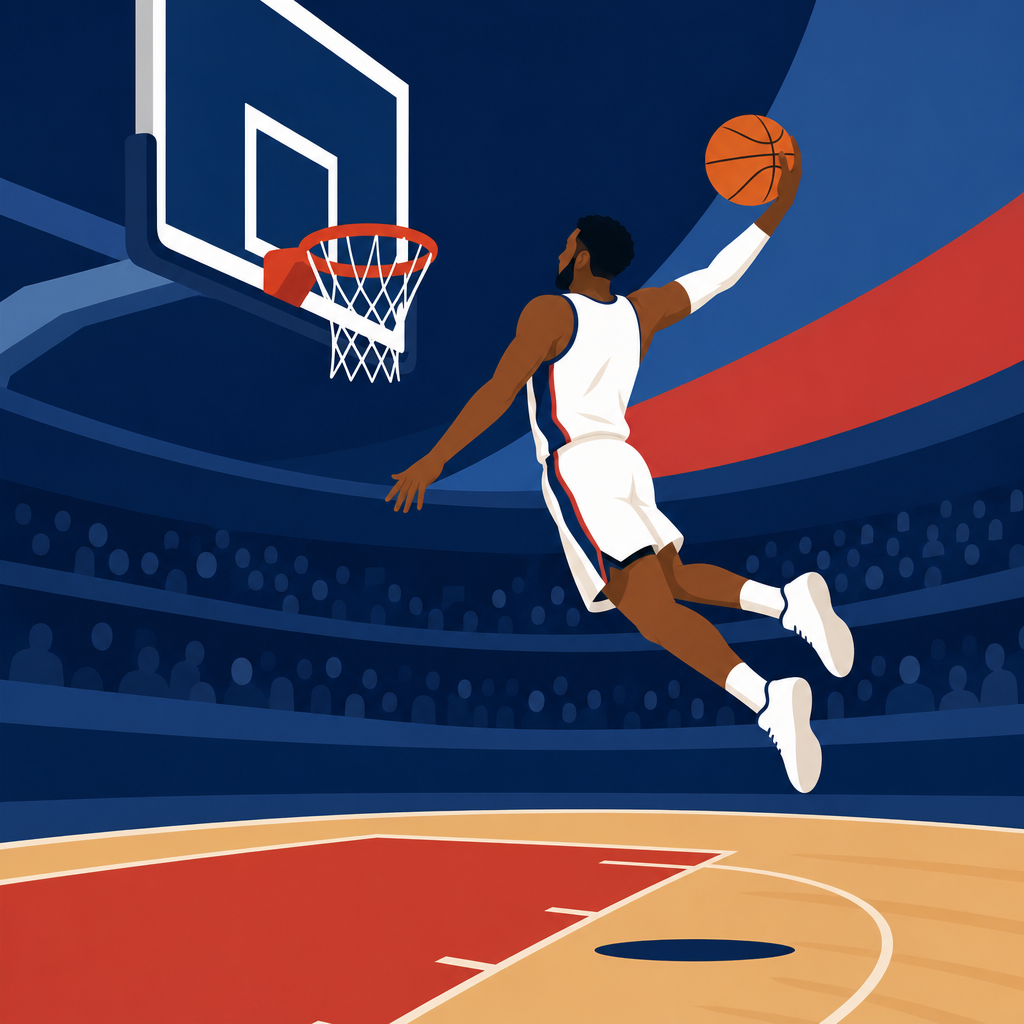

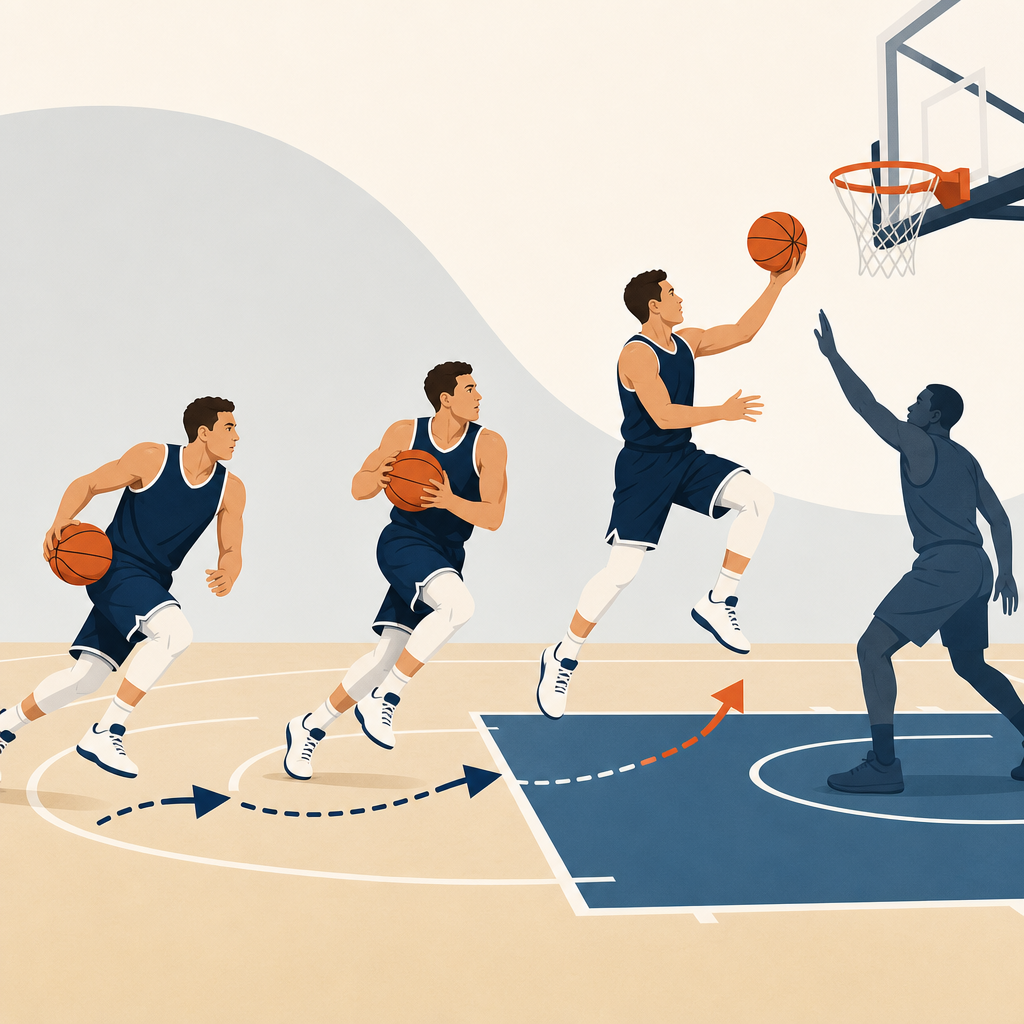
The euro step is one of basketball’s most effective finishing moves because it lets an offensive player change direction legally while attacking the rim at full speed. In simple terms, a euro step is a two-step gather finish where the ball handler drives, plants one foot, steps laterally or diagonally with the next, then uses the second step to slip around a defender for a layup, scoop, or finish off glass. I have taught this move to youth guards, high school wings, and adult rec players, and the pattern is consistent: once players understand footwork, timing, and defender reading, their rim finishing percentage rises quickly. That matters because modern offense depends on efficient paint touches, foul pressure, and help-defense manipulation. Teams that can create clean looks at the rim force rotations, open corner threes, and keep transition defense under stress.
As a sub-pillar hub for basketball offense, this euro step tutorial also connects to larger offensive concepts: driving angles, first-step explosion, ball protection, finishing through contact, pick-and-roll reads, transition attacks, and off-ball spacing. The move is not a trick reserved for highlight guards. It is a practical solution against shot blockers, chest-up help defenders, and rotating bigs who arrive a half step late. Players from Manu Ginobili to James Harden, Giannis Antetokounmpo, Luka Doncic, and Shai Gilgeous-Alexander have used versions of it to punish defenders with different body types and tempos. Ginobili popularized the move in the NBA, but its value today is even greater because defenses load the paint, switch more actions, and recover aggressively from the perimeter. A guard who cannot finish through bodies becomes predictable; a wing who can euro step forces defenders to hesitate.
To use the move well, you need more than a sideways step. You need legal gather mechanics under FIBA and NBA-style interpretations, controlled deceleration, shoulder-level deception, and the ability to keep the ball away from swipe defenders. You also need decision-making. The best euro step is often the one you do not use, because a drop-off pass, floater, power layup, or jump stop may be the better read. This article explains exactly when to use the euro step, how to execute it, what errors to avoid, and how it fits into a complete offensive development plan.
What the Euro Step Is and When to Use It
The euro step is most effective when a primary rim protector or low man rotates into your path after you have already won the initial drive. You are not using it to beat the first defender in isolation as often as you are using it to beat the second defender near the paint. The sequence usually starts with advantage creation: a hard closeout attack, a slot drive out of pick-and-roll, a transition push, or a baseline drive after a shot fake. Once the defender commits to your direct line, you gather and use your two legal steps to move around that body rather than through it.
A simple way to identify the read is this: if the help defender is square and early, a jump stop or pass may be better; if the help defender is moving laterally and slightly late, the euro step is ideal; if the shot blocker is deep in drop coverage, a floater may be cleaner. In practice, I teach players to look at the defender’s outside hip and lead foot. If that foot is crossing to cut off the lane, stepping across the defender’s body line creates separation. If the defender is backpedaling, keep the move tight and compact rather than wide and dramatic. The move works because defenders commit to your torso and your first line, then struggle to recover once you shift laterally on the second step.
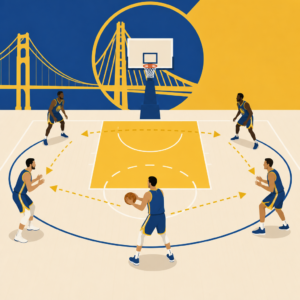
Game context matters too. In transition, the euro step is valuable because retreating defenders often plant to absorb contact; changing direction removes the charge risk and opens the glass. In half-court offense, it is useful after turning the corner in spread pick-and-roll, especially against a rotating weak-side big. It is also effective from the dunker-spot cut, where a catch on the move and quick gather can beat a late tag defender. The move is less useful when the lane is crowded by your own teammates, which is why offensive spacing is inseparable from finishing skill.
Footwork, Gather Rules, and Ball Protection
Most failed euro steps come from bad gather timing, not bad athleticism. The key technical point is that the gather happens when you secure the ball and end the dribble. After that, you are allowed two steps. Players who miscount often pick up the ball too early, drift into a third step, or travel because they hop before establishing the gather. To train legal footwork, start slowly: drive from the wing, pick the ball up as your inside foot hits, take your first step across the lane, then your second step around the defender and up to the rim. Right-handed finishers attacking from the right side often gather, step left to shift the defender, then step right to finish. From the left side, the pattern can reverse depending on angle and defender position.
Upper-body mechanics are just as important. Keep your shoulders level, your chest over your hips, and the ball tight to your body on the gather. Long, exposed swings invite strips from nail defenders and trailing guards. I teach players to move the ball from pocket to chest, then extend only when they have cleared the defender’s body. Off hand use matters: your non-finishing arm should shield legally without hooking. Eyes matter too. Looking at the rim through the gather sells the direct finish and freezes help. Looking immediately sideways often telegraphs the move.
Balance separates effective euro steps from sloppy side jumps. Your first step should displace the defender; your second should recover your line to the basket. If both steps move too wide, you create a difficult angle and lose power. Taller players can cover more ground, but even they need compact hips and a low center of gravity. Guards especially should think “slide past, then rise,” not “leap away and hope.” The finish can be a standard layup, inside-hand finish, reverse, scoop, or extended finger roll depending on where the shot blocker is recovering from.
| Situation | Best Read | Why It Works |
|---|---|---|
| Late rotating help defender | Euro step | Changes line after defender commits |
| Big waiting deep in paint | Floater | Scores before shot blocker meets you |
| Defender square and set early | Jump stop or pass | Reduces charge risk and keeps options alive |
| Trailing defender on hip | Inside-hand layup | Protects ball from chase-down strips |
| Baseline help collapsing from corner | Drop-off or skip pass | Punishes overhelp and preserves spacing |
How to Learn the Move Step by Step
Start without defenders. Begin on the wing or slot, take one hard attack dribble, gather under control, then rehearse the two-step pattern repeatedly on both sides. Use tape markers if needed. The first benchmark is clean footwork at half speed. The second is balance through the finish. The third is keeping your eyes up. Only after that should you add pace. Young players often rush to full speed before their feet understand the sequence, which builds travel habits that are hard to remove.
Next, add a cone or chair as a help defender. Drive directly at the obstacle, gather before contact, and take your first step just enough to shift the body line. Your second step should bring you back to a finish angle on the glass. Practice standard finishes first, then inside-hand finishes to reduce exposure. After that, add a live defender who starts in help position. The defender should be instructed to arrive late sometimes, early sometimes, and from different depths. This matters because reading timing is the real skill. A euro step is not a canned move; it is a response to a body arriving in your lane.
Useful drills include one-dribble euro finishes, two-cone read drills, transition lane-line attacks, and pick-and-roll pocket catches into gathers. Film your reps. When I review player video, I look for four details: where the gather begins, whether the first step actually moves the defender, whether the ball is exposed below the waist, and whether the player finishes off the correct foot for the angle. Slow-motion review is especially valuable because players often feel balanced while drifting sideways more than they realize.
Common Mistakes and How to Fix Them
The first common mistake is making the move too wide. A dramatic side leap looks creative, but it often carries the player away from the rim and into weak finishing angles. The fix is to shorten the first step and think about getting around the defender’s shoulder, not around the entire lane. The second mistake is gathering too early. Players see help, panic, and pick the ball up before they have closed enough space. That gives the defender time to recover. Attack one more step before securing the ball, then move decisively.
The third mistake is exposing the ball on the gather. This is why many beginners get stripped by guards digging down or by bigs swiping late. Keep the ball tight, high enough to protect, and transfer late into the finish. The fourth mistake is using the move when a simpler finish is available. If you already have a clear lane, a direct power layup is faster and more efficient. Extra movement only helps when the defender forces a line change.
The fifth mistake is ignoring the secondary defender. Many players beat the first helper with the euro step but forget the shot blocker behind the play. That is where finish variation matters. If the weak-side shot blocker is rotating from behind, extend early off glass. If the defender is meeting high, use an inside-hand scoop under the contest. If both defenders converge, the best play may be a dump-off pass. Good offense is not move collecting; it is efficient problem solving.
How Elite Players Use the Euro Step in Real Games
Manu Ginobili made the euro step famous in the NBA by using pace, angle, and surprise rather than raw power. He attacked seams, got defenders leaning, then slipped around them with compact two-step footwork. James Harden used a wider, rhythm-based version after forcing bigs to retreat in space. His threat as a pull-up shooter made help defenders hesitate, which made the lane-change even harder to guard. Giannis Antetokounmpo uses the move differently: his stride length turns one gather and two legal steps into massive displacement, allowing him to go around rim protectors who seem properly positioned. Luka Doncic often uses a slower euro step, manipulating defenders with deceleration and shoulder fakes so the help commits before he changes line. Shai Gilgeous-Alexander combines long strides with body control and late ball extension, making strips difficult.
The lesson from these players is not to copy style blindly. It is to match the move to your body and offensive role. Smaller guards need tighter footwork, earlier protection, and quick releases. Bigger wings can use longer first steps and more contact tolerance. Primary ball handlers often access the move out of screen navigation and closeout attacks. Cutters and secondary drivers use it more from catches on the move. In every case, the underlying principle is identical: win the first advantage, read the second defender, then change your path without losing balance.
Building Euro Step Skill Into Complete Offensive Development
The euro step matters most when it sits inside a complete offensive package. If you want to become a reliable scorer, train it alongside first-step mechanics, hesitation drives, jump stops, floaters, reverse finishes, and passing reads. A defender who knows you only want the euro step will sit on the lane change. A defender who must respect your pull-up, your pocket pass, and your inside-hand finish becomes vulnerable. This is why offensive skill work should progress from isolated technique into game-like reads. Pair euro step reps with pick-and-roll decision drills, transition finishing, and paint-touch kick-out passes.
As a hub within basketball offense, this topic also connects naturally to closeout attacking, rim finishing, ball handling under pressure, pick-and-roll reads, spacing principles, and off-ball cuts. Study how your team’s spacing affects your lane. If the strong-side corner is occupied correctly and the dunker spot is timed well, the low man has farther to travel and the euro step becomes easier. If spacing collapses, no finishing move will rescue the possession consistently. Offense is interconnected.
The euro step is effective because it turns a defender’s help rotation into a liability. Learn the gather, master the footwork, protect the ball, and use the move only when the read calls for it. Train both directions, add finish variety, and review film so your mechanics stay legal and efficient. If you want better offense, start by owning the paint. Then build outward: better drives create better finishes, better finishes create more help, and more help creates easier shots for everyone. Add the euro step to your weekly skill plan, and make it one dependable answer whenever the rim protector slides into your path.
Frequently Asked Questions
What is a euro step in basketball, and why is it so effective?
The euro step is a finishing move used on drives to the basket where the offensive player gathers the ball, takes one legal step in one direction, then uses the second legal step to move laterally or diagonally around a defender before finishing at the rim. What makes it so effective is that it changes the driver’s path without requiring a stop or a fadeaway. Instead of attacking in a straight line and running into a help defender, the ball handler shifts the angle at the last second, forcing the defender to commit too early or slide out of position. That creates a cleaner lane for a layup, scoop, or finish off the glass.
In practical terms, the euro step works because basketball defenders are trained to beat the offensive player to a spot. If they expect a direct finish, they load up in front of the rim. The euro step punishes that positioning by making the final two steps unpredictable. A guard can step wide to avoid a shot blocker, a wing can split two rotating defenders, and even an adult rec player can use it to score without needing elite vertical athleticism. It is one of the best examples of using timing, footwork, and body control to create an advantage near the basket.
How do you perform a legal euro step without getting called for traveling?
The key to a legal euro step is understanding the gather and the two-step rule. Once you gather the ball, meaning you secure control with one or both hands, you are allowed two steps before you must shoot or pass. A legal euro step usually starts with the gather while moving toward the rim, followed by a first step that plants toward one side, and then a second step that moves around the defender into space. The ball must be gathered before or during that sequence in a way that still leaves only two legal steps after control is established.
Most travel calls happen because players either take an extra step before the gather, drag the pivot foot, or hesitate too long after completing the second step. To stay legal, think of the move in a clean rhythm: drive, gather, step one, step two, finish. Keep your feet active but controlled, and avoid jumping, landing, then stepping again. It also helps to practice the move slowly at first, without a defender, so you can clearly feel when the ball is gathered and how the two steps line up. Once that footwork becomes automatic, you can add speed without losing legality.
When should you use a euro step during a game?
The best time to use a euro step is when you are attacking the paint and a defender is sliding into your path, especially a help defender rotating from the weak side or a big stepping up near the restricted area. If there is open space in a straight line, a simple power finish may be better. But if the defender is waiting at the rim, the euro step gives you a way to avoid contact, shift the angle, and finish around the body rather than through the chest. It is especially useful when the defender is moving laterally and cannot recover quickly once they commit.
You can also use the euro step in transition, on baseline drives, and after beating the first defender off the dribble. For youth players and high school athletes, it is often a safer and smarter option than forcing a contested layup into a taller defender. For adult rec players, it can be a highly efficient move because it relies more on timing and deception than pure explosiveness. That said, you do not want to overuse it. The euro step is most effective when it feels like a natural counter to a defender’s rotation, not a move you force every time you enter the lane.
What are the biggest mistakes players make when learning the euro step?
The most common mistake is rushing the footwork. Players often see advanced scorers use the euro step at full speed and try to copy the move before they understand the sequence. That leads to sloppy gathers, off-balance finishes, and traveling violations. Another major issue is stepping too narrow. If the first and second steps do not actually change the driving angle, the move loses its purpose and the defender can still contest the shot. A good euro step needs enough lateral or diagonal separation to move the body around the defender, not just in front of them.
Another mistake is focusing only on the feet and forgetting the upper body. Great euro steps sell the original line of attack with the shoulders, eyes, and torso. If your body language does not convince the defender that you are finishing straight ahead, the defender will not shift and the move becomes easy to read. Players also struggle when they try to finish too fancy. Start with simple finishes: inside-hand layups, outside-hand layups, and soft finishes off the glass. Once those are consistent, you can add scoops, reverse finishes, and contact counters. The most effective euro steps are not the flashiest ones; they are the ones that are balanced, legal, and timed well.
How can you practice the euro step to use it confidently in real games?
The best way to build a reliable euro step is to start with controlled footwork reps before adding defenders or speed. Begin by walking through the sequence from the wing or top of the key: take a drive dribble, gather the ball, plant step one, slide or angle step two, then finish softly at the rim. Repeat from both sides of the floor so you can euro step off either foot and finish with either hand. This matters because real games are unpredictable, and the more comfortable you are on both sides, the easier it will be to use the move naturally.
Once the footwork is clean, add game-like layers. Use cones or chairs to represent help defenders so you can practice changing direction around an obstacle. Then move to live reads with a coach, teammate, or training partner stepping into the lane late. Work on recognizing when the defender is square, when they are leaning, and which direction gives you the better finishing angle. Finally, practice at realistic speed and under mild contact. A euro step only becomes game-ready when you can stay balanced, gather cleanly, and finish under pressure. If you train it progressively, from slow mechanics to live decision-making, you will build a move that holds up in youth games, high school competition, and adult rec runs alike.