
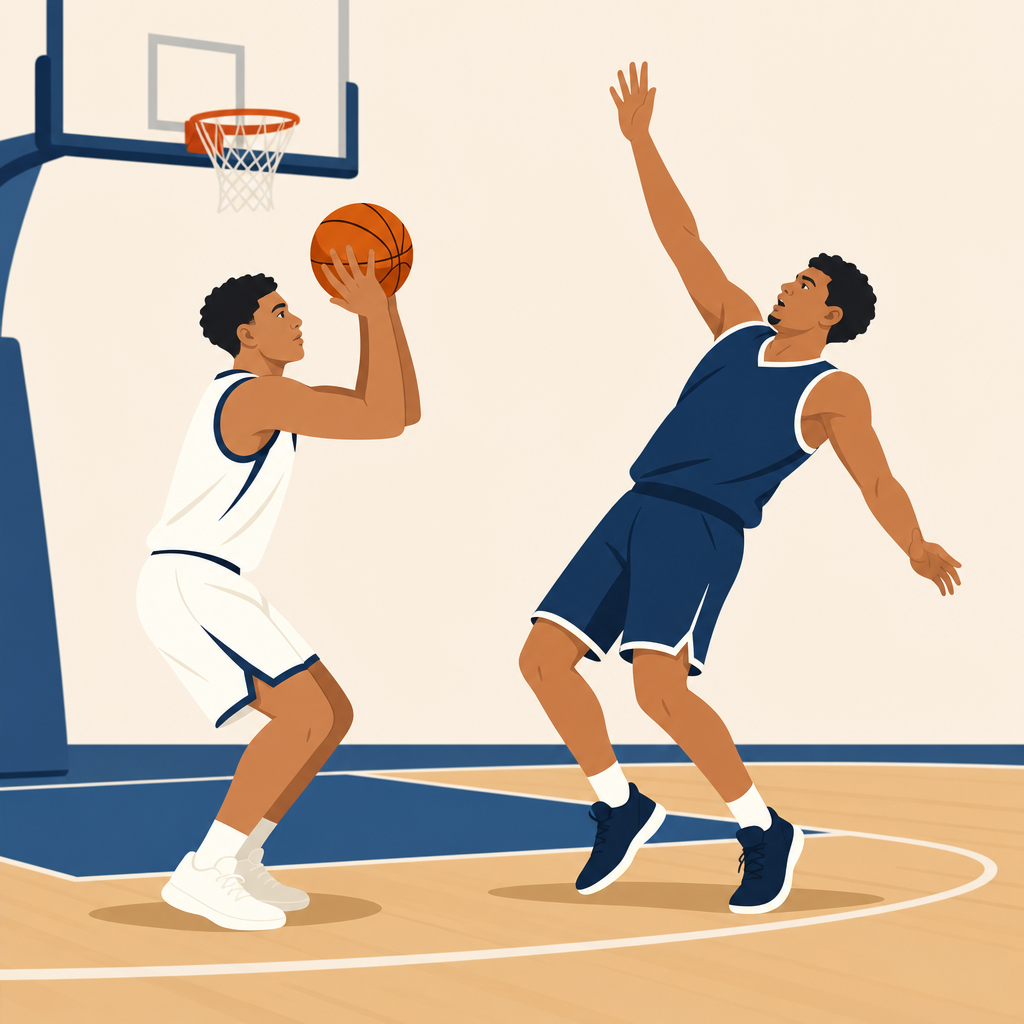
Shot fakes are one of the most efficient offensive tools in basketball because they manipulate a defender’s balance, timing, and decision-making without requiring elite speed or vertical explosiveness. A shot fake is a deliberate simulation of a real scoring motion meant to trigger a defensive reaction, usually a jump, a lunge, or an arm reach, so the offensive player can create space, drive, or draw contact. In practical terms, learning how to use shot fakes to draw fouls in basketball means learning how defenders read cues, how referees judge legal versus illegal contact, and how offensive footwork turns a simple fake into free throws. I have coached players who added four to six points per game simply by becoming disciplined with pump fakes around the arc, from the elbows, and on post catches. For a Basketball Skills offense hub, this matters because shot fakes connect directly to finishing, footwork, triple-threat scoring, post play, pick-and-roll reads, and free-throw generation. Teams that can manufacture efficient points survive cold shooting nights, control tempo, and pressure opposing rotations. A smart shot fake does not just trick one defender; it can tilt the entire defense, draw help, and put key opponents in foul trouble.
Why shot fakes work and what makes defenders leave the floor
Shot fakes work because most defenders are trained to contest on visual triggers: eyes to rim, ball rising above the chest, hips squaring, and shooting elbow loading under the ball. When those cues appear in the right sequence, the defender’s brain predicts a shot and commits before confirming it. Good offensive players exploit that prediction. The fake is effective when it closely matches the start of the real jumper, including rhythm, hand placement, torso lift, and intent. If the motion is lazy or disconnected from your actual release, disciplined defenders stay down.
The best time to use a shot fake is when the defender expects a shot. That sounds obvious, but many players fake after killing the advantage. If you catch the ball with feet set at the wing after making two shots, the defender is primed to contest. If you hesitate for two seconds, lower the ball to your waist, and stare at the floor, the same fake loses force. This is why offensive reputation matters. Shooters with credible range draw stronger reactions. Slashers can still use fakes, but they often need a jab step, a rhythm dribble, or a hard eye fake to sell the scoring threat first.
Defenders also leave the floor because they are solving multiple problems at once. In modern offense, they worry about the catch-and-shoot three, the straight-line drive, the extra pass, and the short closeout. A shot fake increases cognitive load by forcing an immediate choice. Against aggressive closeouts, even a small lift of the ball can produce contact. Against shot blockers, a patient up fake after a stop near the rim often causes a late swipe downward, which referees call when the arm, wrist, or body is displaced.
Mastering the mechanics: stance, eyes, ball path, and footwork
To draw fouls consistently, the shot fake must be mechanically sound. Start from a balanced triple-threat stance: knees bent, hips loaded, ball in a shooting pocket, and eyes up. Your eyes matter as much as the ball. If your gaze stays on the defender or bench, the fake feels artificial. Looking at the rim forces the defender to honor the possibility of a shot. The ball should rise on a believable path, usually from the pocket to near forehead level for perimeter players, while the shoulders and chest elevate just enough to imitate a normal release preparation.
Footwork determines whether the next move is legal and efficient. On the catch, know your pivot foot immediately. After the fake, you can rip through into a drive, take a one-dribble pull-up, or step through if the defender leaves his stance. Many offensive fouls happen because players panic after the fake and jump sideways or forward without reading the defender’s line. The goal is not to hurl yourself into any airborne defender. The goal is to move into legitimate scoring space where the defender’s compromised position creates unavoidable contact.
At the rim, the mechanics change slightly. A post player or driver who has picked up the dribble should chin the ball, stay strong through the torso, and use the up fake from a compact base. Bring the ball high enough to trigger the shot blocker, but do not expose it to strips. Once the defender rises, go up through the defender’s arms with two hands on the ball and your chest to the target. This produces cleaner foul calls than twisting sideways and hoping for a whistle.
| Situation | Best fake cue | Common defender reaction | High-percentage follow-up |
|---|---|---|---|
| Wing catch vs hard closeout | Eyes to rim and quick ball lift | Fly-by contest | One-dribble side step or straight-line drive into contact |
| Elbow isolation | Shoulder rise with shooting pocket lift | Reach or short jump | Rip through to middle and finish through chest contact |
| Post catch on the block | Compact up fake from chin level | Shot blocker leaves feet | Step through and go up strong off two feet |
| Baseline drive under basket | Reverse pivot and rim look | Late help jumps across lane | Shot fake, then finish into body before release |
| Pick-and-roll short roll catch | Quick gather and front-rim eyes | Low man lunges upward | One more stride and finish through reaching arms |
Drawing fouls on the perimeter without relying on baiting
Perimeter foul drawing starts with credible shooting threat. If defenders believe your jumper is live, they close harder, raise their hands sooner, and become vulnerable to fakes. The classic sequence is catch, show shot, defender leaves feet, then drive past the top foot. That move still works at every level, but the details matter. Attack the defender’s front hip, keep the ball tight on the first dribble, and get your inside shoulder past the defender’s chest. Once you win that angle, the recovering defender often reaches across the body or bumps from the side, which officials call far more reliably than marginal contact created by sudden sideways leaps.
The rip-through is another useful tool when used correctly. From triple threat, if a defender crowds with an extended arm in your space, sweeping the ball through your normal attacking path can create contact on the arm. This has been a staple move for players like Kevin Durant and DeMar DeRozan. However, officiating emphasis has tightened around non-basketball motions, especially at the professional level. The sweep must connect to a genuine attempt to drive or shoot. If the move is only a hook for contact with no realistic scoring path, officials may ignore it.
One teaching point I emphasize is staying on balance after the fake. Players who rush the next action often lose the whistle because they look out of control. Referees reward offensive players who appear to be making a real basketball play. Jump stops, strong gathers, and vertical finishes signal control. If contact occurs within that controlled action, the foul is easier to see and call. This principle applies from youth basketball to FIBA and NCAA play, even though exact interpretations differ.
Using shot fakes in the paint, post, and short midrange
Some of the most reliable foul-drawing opportunities come inside fifteen feet, where defenders feel immediate pressure to contest. In the post, the up fake is effective after establishing deep position and receiving the ball with the defender on your back shoulder. Pause just enough to let the help defender locate you, show the ball high, and read who leaves the floor. If the primary defender jumps, step through under control. If the help defender commits early, pivot into the body before extending. Tim Duncan made a career out of these patient, fundamental sequences, and younger bigs still study that timing.
In the short midrange, especially from the elbows and dunker spot, the fake works because defenders expect quick touch shots. A player catching in the lane line area can ball fake high, absorb the first contest, then rise into the second window. This is where strength matters. You do not need to overpower the defender, but you must hold your line through forearm and chest contact. Finishing off two feet often improves both whistle frequency and shot percentage because your torso stays stable.
Guards can use similar principles on floaters and runners. After turning the corner, come to a controlled gather, show the floater window, and let the trailing big react. If the big jumps, step in and take the hit on the upward path. The key is vertical intent. Going toward the rim with a normal release shape is officiated differently than kicking legs or veering unnaturally. Players who master this can punish drop coverage, where the big defender is taught to contain first and contest second.
Reading defenders, referees, and game context
Great foul drawers are elite readers. They identify which defenders are jumpy, which swipe down, which try to recover from poor closeouts, and which have foul trouble. If a forward has two fouls in the second quarter, a single shot fake may freeze him completely. If a rim protector is known for chasing blocks from behind, the better play may be a late fake after a stride stop. Offense is not just move execution; it is pattern recognition.
Referee tendencies also matter, though players should think in broad principles rather than trying to game individual officials. Crews usually reward first contact initiated by the defense into a legitimate scoring action. They are less likely to call marginal contact when the offensive player jumps sideways, stops abruptly with no path to the basket, or exaggerates the aftermath. The cleanest way to earn fouls is to get the defender airborne or off balance, then attack the space the defender can no longer legally protect.
Game context shapes decisions too. Early in games, shot fakes can establish aggressiveness and put pressure on the defense before scouting adjustments arrive. Late in games, defenders may stay down more often to avoid bailout fouls, so counters become important. If a defender stops biting, the fake still has value because it creates a brief pause. Use that pause for a rhythm dribble, a pull-up, or a pass to a cutter. Offensive hub concepts connect here: spacing, screening angles, relocation, and timing all amplify the value of the fake.
Training methods, common mistakes, and smart counters
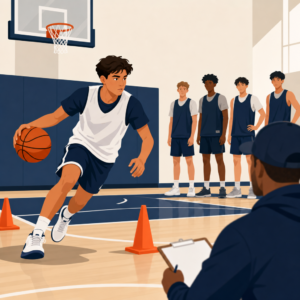
The fastest way to improve shot fakes is to train them inside realistic sequences rather than as isolated gestures. I use catch-fake-drive drills from both wings, post up-fake-step-through reps against pads, and small-sided games where players only score off a fake or closeout read. Video helps because many athletes think their fake looks believable when the ball barely moves and the eyes never reach the rim. Film exposes whether your fake resembles your actual jumper.
Common mistakes are consistent across levels. First, players fake too low. A defender will not leave the floor for a waist-high wave. Second, they fake after extra pauses, which kills timing. Third, they travel because they never identified the pivot foot. Fourth, they seek whistles instead of advantages and end up taking low-quality attempts. Fifth, they ignore counters. Once defenders stay grounded, you must punish them with actual shots, pull-ups, or kickout passes. A fake only works long term when the underlying scoring threat is real.
Build your practice around three counters. Counter one: fake and drive past the top foot. Counter two: fake, side step into open shooting space after a fly-by. Counter three: fake, one-dribble pull-up when the defender retreats under control. Add contact finishing with pads, and end every session with free throws because drawing fouls only helps if you convert them. Track outcomes in scrimmages: bites forced, fouls drawn, turnovers, and makes after the fake. Those numbers show whether the move is creating efficient offense or just empty motion.
Shot fakes draw fouls when they are believable, timed to defensive expectations, and connected to strong footwork and real scoring intent. The offensive player who understands balance, eye discipline, ball path, pivot rules, and finishing angles can create efficient points without needing overwhelming athleticism. That is why the move belongs at the center of any serious Basketball Skills offense plan. It supports perimeter creation, post scoring, closeout attacks, free-throw generation, and late-clock problem solving. The best results come from patient reads rather than foul hunting: make the defender commit, attack legal space, and finish through contact under control. Practice the fake from triple threat, from the block, and from live pick-and-roll catches until it looks identical to your real shot. Then study film, track what works in games, and build counters when defenders adjust. If you want a more efficient offense, start by mastering the shot fake and turning defensive impatience into free points at the line.
Frequently Asked Questions
What makes a shot fake effective when trying to draw fouls in basketball?
An effective shot fake works because it looks exactly like the beginning of a real scoring attempt. The goal is not simply to wave the ball or dip your shoulders randomly. The goal is to convince the defender that you are about to shoot, forcing them to leave their feet, lunge forward, or reach into your space. The best shot fakes include believable details: proper eye contact with the rim, realistic ball lift, a natural bend in the knees, and the same body rhythm you would use on an actual jumper. Defenders react to cues, and if those cues match your true shooting form, they are much more likely to commit.
To draw fouls consistently, timing matters as much as technique. A shot fake is most dangerous when the defender is already worried about your shot. That is why players who can actually score from the perimeter, the mid-range, or around the basket tend to get more value from fakes. If a defender does not respect your ability to shoot, they are less likely to bite. Once the defender reacts, you must stay under control and move into legal scoring space rather than wildly jumping sideways or forward with no natural attempt to score. The fake creates the mistake, but discipline and body control are what turn that mistake into a foul opportunity.
How can I use a shot fake without getting called for an offensive foul or a non-basketball move?
The safest and most effective approach is to make your movement look like a legitimate basketball play. After the defender bites on the fake, your next action should be connected to a real scoring decision, such as rising into a jumper, taking one strong dribble into the lane, or stepping through toward the basket. Officials are increasingly alert to unnatural contact-seeking motions, especially when an offensive player jumps far off line, kicks out unnaturally, or veers sideways into a defender who had already established legal position. If your movement does not resemble a credible attempt to score, you are much less likely to get the whistle.
A good rule is to attack the space the defender has opened rather than inventing contact that is not there. If the defender jumps forward into your shooting path, you can go up strong and absorb the contact. If they leave their feet and land off balance, a controlled step-through is often the better option. Keep your shoulders, hips, and feet aligned with a normal shot or drive. Show the referee that you are trying to finish the play, not just bait a whistle. Players who stay balanced, protect the ball, and make natural basketball moves are more likely to draw legal fouls and less likely to be penalized for initiating awkward or exaggerated contact.
When is the best time in a game to use shot fakes to draw fouls?
The best time to use a shot fake is when the defender is already under pressure. That could mean they are closing out hard to contest a shooter, they are worried about getting beaten by a drive, or they are in foul trouble and playing with hesitation. Shot fakes are especially effective after you have already made a few shots, attacked the rim successfully, or established a pattern that the defender expects. Basketball is a game of anticipation, and the fake works best when you understand what the defender believes is coming next. If they think you are shooting immediately, your fake becomes far more dangerous.
Game context also matters. In half-court situations, shot fakes can be used to slow the pace and force impatient defenders into mistakes. On a closeout, a quick catch-and-fake can create a clean lane or trigger body contact. In the post or short corner, a shoulder fake or up-and-under can punish shot blockers who leave their feet too early. Late in possessions, a smart fake can create a higher-percentage opportunity than a rushed contested shot. The key is reading the defender’s momentum. Use the shot fake when they are committed, off balance, or overaggressive, not when they are sitting back under control and waiting for you to make the first move.
What are the most common mistakes players make when trying to draw fouls with shot fakes?
The most common mistake is making the fake too obvious. Many players pause too long, drop the ball too low, or use a motion that looks nothing like their actual shot. Skilled defenders recognize these clues immediately and stay down. Another frequent mistake is deciding before the play starts that they are going to hunt a foul no matter what. That mindset leads to forced, unnatural movements, poor balance, and low-quality shots. A shot fake should help you read and react, not lock you into one outcome. Sometimes the best result of a fake is an open jumper or a clear driving lane, not a whistle.
Players also struggle when they rush after the defender reacts. Once the defender leaves their feet, offensive players often lose poise and fling the ball toward the rim instead of taking a strong, controlled finish. Others drift away from the basket, lean sideways, or jump backward, reducing their chance of scoring and making the contact look less legitimate. Another mistake is using shot fakes in spots where defenders do not respect the shot. If you are not in a realistic scoring area, the fake has less power. To improve, focus on selling the shot, staying balanced, and making a real basketball play after the defender commits. That combination creates both better scoring chances and better foul-drawing opportunities.
How can I practice shot fakes so they actually work in real games?
Start by making your fake identical to your real shot. Practice your normal shooting motion and your shot fake side by side so the first half of each action looks the same. Work on your eyes, hand placement, ball path, and lower-body rhythm. A defender often reacts within a split second, so the details matter. Begin with stationary reps from game spots like the wing, corner, elbow, and low post. Then add the next action: fake to one-dribble pull-up, fake to step-through, fake to rip-through drive, and fake to finish through contact. The more often you connect the fake to a real scoring move, the more natural and effective it becomes.
To make the skill transfer into games, practice against live defenders who are instructed to contest honestly. This teaches you to recognize who bites, how far they jump, and whether the better follow-up is a shot, a drive, or a pass. You should also rehearse staying balanced after contact, because drawing fouls is only part of the equation; finishing the play is what makes the move truly valuable. Film study can help as well. Watch how skilled scorers use patience, body control, and footwork rather than exaggerated motion. In the end, the best practice plan is simple: build a believable fake, pair it with strong footwork and legal scoring moves, and repeat it until reading defensive reactions becomes automatic.