

Basketball tryout tips can determine whether a player is remembered as coachable, reliable, and roster-worthy or overlooked after the first few drills. In college basketball, tryouts and development are tightly connected because coaches are not simply selecting the most talented athlete in the gym; they are evaluating who can help the program improve over weeks and months. A tryout is the structured process coaches use to assess skill, basketball IQ, conditioning, effort, attitude, and fit within team needs. Development refers to the training habits, feedback systems, and role growth that turn a fringe player into a contributor. I have worked around college-level evaluations long enough to see the same pattern every year: players think they must dominate every possession, while coaches are usually searching for consistency, decision-making, and responsiveness under pressure.
This matters because roster spots are limited and competition is intense. A single college team may have returning scholarship players, redshirts, transfers, and walk-on candidates all competing for minutes or even for practice access. That means every rep counts. Strong tryout preparation is not only about showing off a crossover or vertical leap. It is about proving that you understand spacing, talk on defense, sprint in transition, rotate correctly, and recover quickly from mistakes. Players who make rosters usually give coaches answers to practical questions: Can this athlete defend without fouling? Can this guard handle pressure? Can this forward rebound out of area? Can this player accept a role and improve? If you want to stand out and make the roster, you need a clear plan before, during, and after tryouts, and you need to treat development as part of the evaluation, not something that starts later.
What Coaches Actually Evaluate at Basketball Tryouts
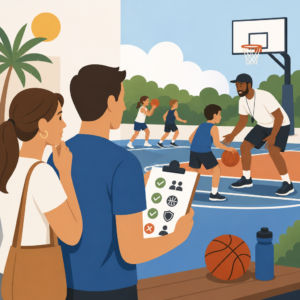
The most important basketball tryout tip is understanding what coaches measure in real time. They evaluate technical skill, but they also judge how that skill holds up in chaotic game conditions. A shooter who makes open spot-ups in warmups but loses balance, hesitates, or misses rotation assignments in live play will not grade as highly as a player with slightly less range who moves well without the ball and defends every possession. Coaches often chart simple but revealing actions: turnovers under pressure, missed box-outs, blow-bys allowed, paint touches created, correct help rotations, and sprint effort in transition. At the college level, these details separate roster players from showcase players.
Coaches also look for role clarity. If you are a guard, they want to know if you can initiate offense, enter the ball on time, communicate coverage, and make the next pass. If you are a wing, they want to see whether you cut decisively, defend multiple positions, and rebound through contact. If you are a post, they evaluate screening angles, rim protection timing, seal position, and outlet passing after defensive boards. One common mistake I see is players trying to prove they can do everything. That usually creates forced shots and poor decisions. The better approach is to demonstrate a translatable role while showing enough versatility to grow. Coaches trust players who understand exactly how they can help a team win possessions.
How to Prepare Before Tryouts Begin
Preparation starts well before the first whistle. The week before tryouts should include game-speed conditioning, skill work under fatigue, and review of likely team concepts. If you know the program favors motion offense, prepare to cut, screen, and react rather than over-dribbling. If the team pressures full court, get comfortable making quick outlet decisions and defending in space. I advise players to rehearse three things every day before tryouts: ten minutes of finishing through contact, ten minutes of advantage-disadvantage shooting, and ten minutes of live defensive footwork. Those drills mirror common evaluation moments far better than casual stationary shooting alone.
You also need to prepare physically and administratively. Sleep, hydration, and nutrition are not side issues. Dehydration reduces decision-making sharpness and repeated sprint ability, both of which coaches notice immediately. Eat a familiar pre-tryout meal with carbohydrates and moderate protein rather than experimenting with supplements. Bring proper shoes, practice gear, water, medical forms, and anything required by the athletic department. Then study the roster and likely openings. If the team already has three scoring guards but lacks a dependable on-ball defender, that context should shape how you play. Smart players enter tryouts with an honest understanding of where they can fill a need.
Skills That Help You Stand Out Immediately
Players often ask what single skill stands out most at basketball tryouts. The honest answer is defensive reliability, followed closely by decision-making. Coaches notice scorers, but they trust players who defend the ball, rotate on time, and finish possessions with rebounds. Talking early on defense is one of the fastest ways to get positive attention because it signals awareness and engagement. Calling screens, tagging cutters, and echoing coverage communicates leadership even if you are new to the group. On offense, quick decisions matter more than flashy moves. Catch, read, and move. If you drive, have a clear reason. If you pass, lead your teammate into advantage.
Shooting still matters, especially in modern college basketball where spacing is essential, but shot quality matters more than shot volume. A player who makes the extra pass, relocates correctly, and knocks down open rhythm jumpers will usually grade higher than someone hunting contested pull-ups. Finishing through contact is another separator because coaches want to see body control, touch, and toughness. Ball security is equally important. A low-turnover guard who can advance the ball against pressure is extremely valuable in tryouts because coaches can immediately imagine using that player in practice and late-game situations. If you want to stand out quickly, defend hard, communicate constantly, make simple winning plays, and turn every drill into evidence that you can be trusted.
How to Perform in Common Tryout Drills and Scrimmages
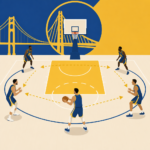
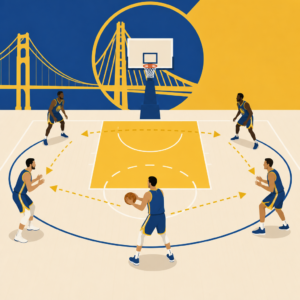
Most college basketball tryouts use a mix of transition drills, shell defense, shooting segments, closeout work, small-sided games, and full scrimmages. Each setting rewards different habits. In transition drills, sprint the floor every rep, fill the correct lane, and stop the ball or protect the rim on defense. In shell drill, coaches care less about steals and more about stance, positioning, help-side awareness, and verbal communication. In shooting drills, move efficiently between spots and maintain mechanics when tired. During closeout segments, arrive under control with high hands, then slide without reaching. Players who consistently execute the boring details usually rise on evaluation sheets.
Scrimmages carry the most weight because they reveal whether your habits transfer to live play. The first minute matters. Sprint back on defense, call matchups, make the easy pass, and avoid forcing your own offense. Coaches often decide quickly which players settle the game and which create chaos. If you make a mistake, respond with the next correct play. Body language is part of the evaluation. Slumped shoulders after a turnover or visible frustration after a missed shot tells coaches you may be unreliable under stress. In contrast, players who recover instantly, clap for teammates, and stay locked in project maturity. The best scrimmage strategy is simple: create advantages, protect possessions, and make coaches comfortable imagining you in a real game.
| Tryout Situation | What Coaches Want to See | Common Mistake |
|---|---|---|
| Warmups | Focus, energy, disciplined mechanics | Showing off instead of following structure |
| Defensive drills | Stance, communication, correct rotations | Gambling for steals |
| Shooting drills | Repeatable form, pace, readiness | Rushing and losing balance |
| Small-sided games | Reads, spacing, quick decisions | Over-dribbling |
| Scrimmages | Role acceptance, toughness, composure | Forcing shots to impress |
Mental Approach, Communication, and Coachability
Your mental approach may be the factor that breaks ties between similarly skilled players. Coaches are evaluating whether feedback changes your behavior. If an assistant tells you to get lower on closeouts and you fix it on the next rep, that is visible coachability. If you nod and repeat the same mistake, that is also visible. Good communication accelerates trust. Call names, signal screens, point to cutters, and speak with purpose in huddles. Empty noise does not help, but specific communication does. Players who improve the organization of the group stand out because coaches know they can stabilize practices.
Confidence should look calm, not reckless. I have seen players sabotage solid tryouts because they believed every possession had to become a personal highlight. Real confidence is staying aggressive within the flow of the game. It is taking the open shot, stepping into a charge, making the extra rotation, and asking for clarification when needed. It is also accepting correction without defensiveness. At the college level, development depends on honest feedback loops. A player who can hear hard coaching, apply it, and compete harder afterward has long-term value. If you want to make the roster, show that your ceiling is not just based on talent but on your ability to learn quickly in a demanding environment.
Tryouts and Development After the Evaluation
Tryouts do not end when coaches post decisions. If you make the roster, development becomes the next evaluation. Most college staffs track progress through film review, practice grading, strength metrics, and role execution. A walk-on who screens well, wins conditioning segments, and knows the scouting report can earn trust faster than a more talented player with inconsistent habits. Development should focus on one primary skill, one secondary skill, and one physical target at a time. For example, a reserve wing might prioritize corner three consistency, weak-side tagging, and lower-body strength. Narrow goals produce measurable progress.
If you do not make the roster, you still need a development plan. Ask respectfully for feedback, then translate that feedback into training blocks. If the issue was lateral quickness, build a program around movement efficiency, mobility, and defensive reaction work. If the problem was decision-making, play more small-sided games and study film to improve reads. Use objective tools when possible. Shot charts, turnover ratios, sprint times, and vertical testing reveal whether training is working. The players who eventually break through are usually the ones who turn disappointment into a structured improvement cycle. In college basketball, growth is rarely accidental. It comes from targeted repetition, honest assessment, and visible progress over time.
Basketball tryout tips only matter if they lead to better habits, clearer decisions, and a real understanding of what earns trust in a college program. To stand out and make the roster, focus on the qualities coaches value most: conditioning, defensive consistency, communication, role awareness, composure, and coachability. Prepare for the system, not just for isolated drills. In live play, avoid the trap of trying to impress with difficult shots or unnecessary dribbling. Make the next right play, compete on every possession, and recover immediately from mistakes. Those behaviors translate directly to winning basketball, which is why coaches reward them.
This tryouts and development hub should guide how you approach every stage of the process, from pre-tryout preparation to post-evaluation growth. Whether you are chasing a scholarship role, a walk-on opportunity, or a future roster spot after being cut, the principle is the same: become easy to trust. Build your game around repeatable strengths, address weaknesses with a specific plan, and let your effort show in the details coaches chart every day. Review your game honestly, train with purpose, and seek feedback from people who will tell you the truth. If you apply these basketball tryout tips consistently, you will give yourself a far better chance to stand out, make the roster, and keep developing once you get there.
Frequently Asked Questions
What do coaches really look for during basketball tryouts besides raw talent?
Coaches absolutely notice skill, athleticism, and scoring ability, but those qualities are only part of the evaluation. During tryouts, they are also measuring how a player responds to coaching, communicates with teammates, competes in drills, and handles mistakes. A talented player who ignores instructions, jogs back on defense, or shows poor body language can quickly fall behind a less flashy player who is dependable, engaged, and team-oriented. Coaches are building a roster, not selecting a highlight reel, so they want players who can contribute to a winning environment every day.
In many cases, basketball IQ matters just as much as physical tools. Coaches watch who rotates correctly on defense, who makes the extra pass, who understands spacing, and who can process instructions quickly when a drill changes. They also pay close attention to effort habits that translate over time, such as sprinting in transition, boxing out consistently, talking on defense, and staying locked in even when not directly involved in a play. Those details signal that a player can be trusted in practice and developed over the course of a season.
Another major factor is reliability. Coaches ask themselves which players are likely to improve over weeks and months, not just who had a good ten-minute stretch in tryouts. A roster-worthy player typically shows discipline, composure, coachability, and a willingness to do the small things that help the team function. If you want to stand out, think beyond scoring points. Show that you can defend, communicate, listen, compete, and fit into the structure of the program.
How can I stand out at basketball tryouts if I am not the best scorer in the gym?
You do not need to be the top scorer to make a strong impression. In fact, many players hurt themselves at tryouts by forcing bad shots or overdribbling because they think scoring is the only way to get noticed. Coaches value players who impact the game in multiple ways, especially those who make smart decisions under pressure. You can stand out by defending with urgency, moving without the ball, making the right pass, rebounding outside your area, and showing consistent energy in every drill.
One of the best ways to separate yourself is to become the player coaches never have to worry about. That means arriving early, being attentive when instructions are given, getting to the front of drill lines, and competing with the same intensity whether the drill is glamorous or routine. Talk on defense, call out screens, encourage teammates, and show that you understand how to play within a team concept. Players who communicate and make others better are often remembered more clearly than players who score in bunches but create chaos everywhere else.
It also helps to specialize in winning plays. Dive for loose balls when appropriate, box out hard every possession, sprint the floor, and defend with discipline instead of gambling recklessly. If you can show that you are coachable and reliable, you become easier to project into a real role on the roster. Coaches need players who can guard, execute, and compete every day, so a high-effort, high-IQ player with strong habits can often outperform a more talented but inconsistent scorer in the tryout setting.
What should I do before basketball tryouts to prepare physically and mentally?
Preparation before tryouts should focus on conditioning, skill sharpness, and mental readiness. Physically, you want to be in basketball shape, which is different from being generally fit. That means preparing for repeated sprints, defensive slides, quick changes of direction, and game-speed effort with limited recovery. In the days and weeks leading up to tryouts, work on ball handling, shooting off the catch and off the move, finishing through contact, defensive footwork, and full-court conditioning. The goal is to arrive ready to perform under fatigue, because many players look solid early and then fade once the pace increases.
Mental preparation is just as important. Go into tryouts with a simple plan for how you want to play. Instead of thinking, “I need to impress everyone,” think, “I am going to defend hard, communicate, make smart decisions, and play with confidence.” That mindset keeps you from pressing or trying to do too much. It is also smart to visualize common tryout situations, such as missing your first shot, getting beat on one possession, or making a mistake in a drill. Coaches do not expect perfection, but they do pay attention to how you recover. Players who stay poised and move on quickly show maturity.
You should also take care of practical details that affect performance. Get enough sleep, hydrate well, eat appropriately before the session, and bring everything you need so you are not distracted. Arrive early enough to get comfortable with the gym, stretch, and settle your nerves. The more organized and prepared you are, the easier it becomes to play freely. Strong preparation does not guarantee you will make the roster, but it gives coaches a much clearer look at your real ability and your potential to contribute.
How important is attitude and coachability during a basketball tryout?
Attitude and coachability are extremely important, and in many situations they are deciding factors. Coaches know they can help players improve skill, strength, and understanding over time, but it is much harder to build habits in someone who resists feedback or brings poor energy into the gym. During tryouts, coaches watch how players react when corrected, whether they apply instruction immediately, and how they carry themselves between reps. A player who listens, adjusts, and stays engaged shows that they can be developed within the program.
Coachability is not just about saying “yes, coach.” It means demonstrating that you can take information and turn it into action. If a coach tells you to widen your stance defensively, reverse the ball faster, or improve spacing, they will often watch the next few possessions closely to see whether you made the change. Players who adapt quickly communicate that they are teachable and attentive. On the other hand, players who repeat the same mistake after instruction or visibly react with frustration can create doubts about whether they will be dependable over the long term.
Attitude also shows up in how you treat teammates. Coaches notice whether you encourage others, compete respectfully, and respond well when things do not go your way. Slumped shoulders, eye-rolling, blaming teammates, or checking out mentally after a bad sequence can leave a lasting negative impression. A strong attitude tells coaches that you can handle adversity, contribute to culture, and keep improving. In a tryout environment where many players have similar skill levels, that can be the difference between making the roster and being overlooked.
What are the biggest mistakes players make at basketball tryouts, and how can they avoid them?
One of the most common mistakes is trying too hard to prove everything at once. Players often force contested shots, overdribble, ignore open teammates, or gamble defensively because they think they need a dramatic moment to stand out. In reality, that usually makes them look undisciplined. Coaches prefer players who let the game come to them, make solid decisions, and contribute consistently. The best way to avoid this mistake is to focus on controllable actions: defend hard, communicate, rebound, sprint, and make the correct basketball play.
Another major mistake is showing inconsistent effort. Some players go all out when they have the ball but coast during defensive drills, transitions, or line work. Coaches notice that immediately. Tryouts are often designed to reveal habits, not just talent, so every rep matters. Jogging back, staying silent on defense, failing to box out, or looking disengaged during instruction can damage your chances quickly. To avoid this, treat every drill like it counts, because it does. Bring the same focus and energy whether you are in a scrimmage, a passing drill, or waiting for your turn.
Players also make mistakes with body language and emotional control. Missing a shot, turning the ball over, or getting beat on a play is not necessarily what hurts you most. What hurts is reacting poorly afterward. Complaining, hanging your head, or trying to make up for one mistake with a reckless play often creates a bigger problem. Coaches want players who can reset and move to the next possession. If something goes wrong, respond by communicating, sprinting back, and competing harder on the next play. That kind of resilience stands out in a positive way and suggests you are ready for the demands of a real team environment.