
NBA League Pass is the NBA’s direct-to-consumer streaming service, and for many fans it is the simplest way to follow the league without a traditional cable bundle. If you want out-of-market games, condensed replays, alternate broadcasts, mobile viewing, and a single app that keeps every team in reach, League Pass is the product most people consider first. Yet the decision is not as straightforward as the marketing suggests. Cost, blackout rules, national TV exclusives, device support, and your own viewing habits all determine whether NBA League Pass is worth paying for in the 2026-27 season.
In practical terms, NBA League Pass sells access to regular-season NBA game streams outside your local market. “Out-of-market” means games involving teams not protected by your regional sports rights area. “Blackouts” are viewing restrictions that prevent live access to certain games based on location or existing broadcast contracts. A “national exclusive” is a game carried by partners such as ESPN, ABC, TNT, or Amazon if those rights are active in 2026-27, and those games are often unavailable live on League Pass. Understanding those three ideas explains almost every complaint fans have about the service.
I have used League Pass across desktop, mobile, smart TVs, and travel setups, and the experience is usually excellent when your expectations match the rights structure. The video quality is generally strong, full-game archives are convenient, and the app is built for people who watch more than one team. Problems arise when buyers assume it replaces every NBA broadcast. It does not. League Pass is best understood as a supplement for dedicated fans and an almost essential tool for out-of-market followers, fantasy players, bettors tracking rotations, and international viewers who want broad league access.
This hub guides fans through the full “Following the NBA” decision. It explains what League Pass includes, what it does not include, how blackouts work, who should buy which plan, and how to decide if the price makes sense. It also points naturally toward related questions fans ask all season: how to watch your local team, how national TV windows affect scheduling, why some games disappear live but appear later, and what alternatives exist if you mostly watch highlights, playoffs, or one specific franchise.
What NBA League Pass includes in 2026-27
NBA League Pass typically offers live out-of-market regular-season games, on-demand replays, condensed game versions, and a choice of home or away broadcast feeds when available. Depending on the subscription tier, users may get single-team access, full-league access, and in some years a premium ad-free or in-arena-stream option. The exact packaging can change, but the core value remains broad access to teams you cannot usually see through your local broadcaster.
For serious fans, the replay library is one of the most underrated features. If you work evenings, live in a difficult time zone, or follow the West Coast from the East Coast, being able to start from the beginning or watch a condensed game the next morning matters more than marketing language about “every game.” Condensed games especially help fans keep up with the league without committing three hours a night. That is why League Pass often fits super-fans better than casual viewers who only tune in for marquee matchups.
The service also tends to support multiple devices, including phones, tablets, web browsers, streaming boxes, and connected TVs. In most seasons, navigation is better on television apps than on mobile, but mobile is useful for catching late tips, checking fourth quarters, or listening while commuting. Fans who track player development, coaching adjustments, or fantasy usage often rely on these flexible viewing options because they are following the whole league, not one headline game.
What League Pass does not include
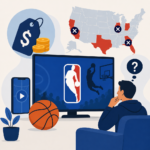
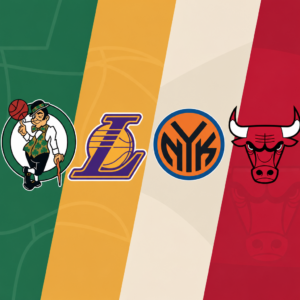
The biggest misconception is that League Pass equals every NBA game live. It does not. Local blackouts remain the primary limitation, and nationally televised games may also be blocked live depending on rights agreements. If you live in Chicago, for example, a Bulls game carried by the local rights holder is likely blacked out on League Pass inside that territory. If the Lakers play on a national network, that game may not be available live on League Pass even if you live far from California.
Playoff access is another common point of confusion. Historically, League Pass is built around the regular season, with playoff availability far more restricted and heavily tied to national broadcast partners. Fans who mainly care about the postseason usually need a separate live TV solution. If your viewing calendar starts on Christmas and peaks in April, League Pass may not be your most efficient purchase unless you also want archives and broad regular-season coverage.
It also does not solve local team access for cord-cutters in every market. Many fans buy League Pass hoping to replace a regional sports network package, then discover the exact team they care about is the one they cannot watch live. That is not a technical flaw; it is a rights issue. Understanding this before subscribing prevents most disappointment.
How NBA blackouts actually work
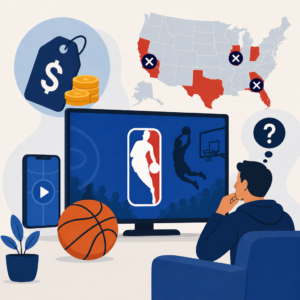
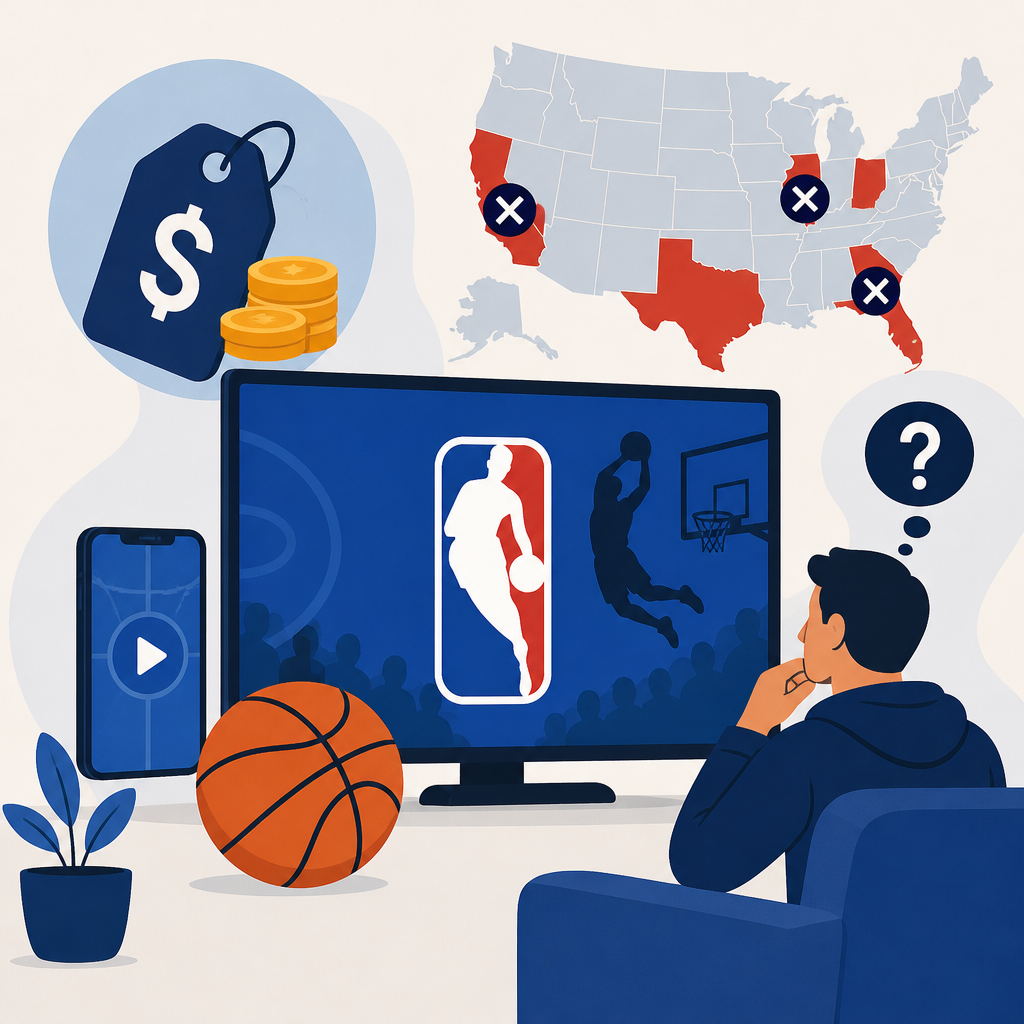
Blackouts exist because the NBA sells different rights to different distributors. Local rights are usually licensed separately from national rights, and League Pass sits underneath those contracts. Your location is identified through billing information, IP address, and device-level location signals. If a game falls inside your protected market, League Pass generally blocks the live stream. After a delay, often once the local telecast window ends, the replay may appear on demand.
Fans often ask whether blackouts only affect people near the arena. They do not. Rights territories can cover entire states or multi-state regions. A viewer several hours from the arena may still be considered local. This is why market maps matter more than driving distance. It is also why “I live far away” is not a reliable test for eligibility.
National exclusives work differently. These games are protected for the partner carrying them and can be unavailable live nationwide on League Pass. In practice, this means your most anticipated matchup of the week may require another service. For example, a Knicks-Celtics game in a prime national slot is exactly the kind of game least likely to deliver full live value through League Pass alone.
| Viewing situation | Usually available live on League Pass? | Best alternative if blocked |
|---|---|---|
| Out-of-market regular-season game not on a national exclusive window | Yes | League Pass is usually sufficient |
| Your local team’s regular-season game in your home market | No, typically blacked out | Local rights holder or live TV package |
| Nationally exclusive regular-season game | Often no | National broadcaster’s channel or app access |
| Playoff game | Usually limited or unavailable live | Live TV service carrying playoff partners |
| Replay after blackout window ends | Often yes | League Pass archive |
How much NBA League Pass costs and what affects value
Pricing for 2026-27 may shift, but League Pass usually follows a tiered structure: full-league access, a cheaper single-team plan, and sometimes a premium plan with fewer ads or enhanced features. The important question is not the sticker price alone. Value depends on cost per game actually watched. A fan who watches 150 out-of-market games receives excellent value. A fan who only wants 20 nationally televised showcase games probably does not.
Single-team plans can look attractive, but they only make sense if your favorite team is truly out of market and you rarely watch anyone else. If you are a Mavericks fan living in Boston, a single-team plan may be enough. If you are a Mavericks fan living in Dallas, it is often the wrong product because local blackouts reduce the live access you expected to buy. Full-league access gives far more flexibility and usually better long-term value for people who follow awards races, rookies, coaching trends, or multiple fantasy-relevant teams.
Promotional timing matters too. The best buy is not always preseason. Midseason discounts often appear after opening-night excitement fades. If you mainly start watching around December or January, waiting can improve value. Students, international users, and fans bundled into partner offers may see different economics, so compare actual checkout prices rather than relying on old blog posts.
Who should buy League Pass and who should skip it
League Pass is worth it for four groups. First, out-of-market team loyalists who want to watch most games. Second, league-wide fans who bounce from matchup to matchup each night. Third, fantasy basketball and betting users who need broad access to lineups, roles, and late-game patterns. Fourth, international fans, who often get a cleaner all-in-one experience than U.S. viewers because local rights structures differ.
It is a weaker fit for fans who mainly care about their hometown team, especially if that team’s games are tied to a local sports network not easily available via streaming. It is also a weak fit for viewers who only watch playoffs, Christmas Day, opening night, or nationally promoted rivalry games. Those events often sit behind other broadcast partners, making a broader live TV package more useful than League Pass by itself.
Casual fans should also think honestly about viewing habits. If you usually consume the NBA through highlights, social clips, podcasts, and weekend windows, League Pass may become an underused subscription. In that case, a cheaper highlights-first routine may deliver the same satisfaction. The service rewards frequency. Without regular use, even a reasonable annual price feels expensive.
Best alternatives for following the NBA
If League Pass is not the right fit, you still have several good ways to follow the NBA comprehensively. A live TV streaming service with major sports channels is often the best all-around option for fans who prioritize national windows, playoffs, and studio shows. In many markets, however, local rights access remains the hardest piece, so you must verify whether your provider carries the regional or team-specific channel that owns your local games.
For fans who are budget conscious, the best alternative is often a mixed approach: national TV package for marquee games, free highlights on official channels, box-score tracking through the NBA app or ESPN, and podcasts for deeper analysis. This combination cannot replicate full-game access, but it covers the league surprisingly well for people who are not watching nightly.
There is also a practical fan-guide point here: following the NBA is broader than watching live tip to final buzzer. Beat reporters on X or Bluesky, team YouTube channels, injury reports, NBA Stats, Cleaning the Glass, Basketball-Reference, and lineup tools all deepen understanding. The best setup depends on whether you are a story-driven fan, a local-team fan, or a full-league grinder.
How to decide if it is worth it in 2026-27
The simplest test is to answer three questions. Do you live outside your favorite team’s market? Do you watch regular-season games more than three nights per week? Do you care about more than just national showcase games? If you answered yes to two or more, League Pass is probably worth serious consideration. If you answered no to most of them, another setup will likely serve you better.
Next, estimate your actual usage. Multiply the number of games you expect to watch each month by the number of months you stay engaged. Include replays and condensed games, not just live starts. Then divide the subscription cost by that total. When the per-game cost drops below what you would spend on a single movie rental or one night out, the service becomes easy to justify.
Finally, check the rights map for your location and the current national partners before subscribing. That one step prevents nearly all buyer’s remorse. League Pass is an excellent NBA product when used for its intended purpose: out-of-market regular-season access at scale.
For the 2026-27 season, the verdict is clear. NBA League Pass is worth it for committed fans who want broad regular-season coverage, flexible replay options, and reliable access to teams outside their home market. It is not a universal replacement for cable, local sports channels, or playoff broadcasters, and anyone expecting that will be frustrated. The service succeeds when you match it to the right viewing profile.
As the hub for following the NBA, this page should help you make the first and most important choice: whether your fandom is local, league-wide, or event-driven. Local fans should compare regional access first. League-wide fans should lean toward full-league plans. Event-driven viewers should prioritize national TV and postseason coverage. Once you know which category describes you, the subscription decision becomes straightforward.
The main benefit of League Pass is convenience across an 82-game season. The main limitation is rights fragmentation. Keep both truths in mind, review your market restrictions, and choose the setup that matches how you actually watch basketball. If you are building your complete fan guide for 2026-27, start by mapping your team, your market, and your must-watch games before you subscribe.
Frequently Asked Questions
What is NBA League Pass, and what do you actually get with it in 2026-27?
NBA League Pass is the NBA’s direct-to-consumer streaming subscription that gives fans a centralized way to watch regular-season NBA games without relying on a full traditional cable package. In practical terms, it is built for people who want broad access to the league, especially out-of-market games that are not otherwise easy to find in one place. Depending on the plan the NBA offers for the 2026-27 season, subscribers can typically expect access to live out-of-market games, full-game replays, condensed game versions, highlights, alternate feeds when available, and the ability to watch across phones, tablets, streaming boxes, smart TVs, and web browsers.
For many fans, the biggest appeal is convenience. Instead of chasing different channels, apps, and regional schedules, League Pass places a large share of the season inside one ecosystem. It is especially useful for fans who follow a team that does not play in their local market, or for viewers who simply enjoy bouncing around the league on a busy night. Features such as condensed replays can be a major value-add because they let you follow multiple teams quickly without committing to every full broadcast.
That said, League Pass is not the same thing as “every NBA game with no restrictions.” It is best understood as a strong out-of-market product, not a perfect replacement for all NBA television access. Local blackouts, national TV exclusives, and occasional event-specific restrictions can still limit what you can watch live. That distinction matters because some buyers assume they are purchasing complete universal access, when in reality they are buying the most comprehensive single-league streaming option the NBA itself offers, with important limitations that affect the final value.
How much does NBA League Pass cost, and is the price usually worth it for most fans?
The exact pricing for NBA League Pass in 2026-27 will depend on the NBA’s official subscription tiers, promotional offers, and whether there are annual, monthly, team-specific, ad-supported, or premium options available. Historically, the service has been priced in a way that makes it far cheaper than maintaining a large cable bundle solely for basketball, but expensive enough that casual fans should think carefully before subscribing. The real question is not just the sticker price. It is whether your viewing habits line up with what the service does best.
If you watch out-of-market games several nights a week, follow multiple teams, want replay access, or enjoy using condensed games to stay current with the league, League Pass can be a strong value even if the annual total feels substantial at first. Spread over an 82-game season and the broader NBA calendar, the cost per viewing session can become quite low for heavy users. On the other hand, if you mostly watch your local team, only tune in for marquee matchups, or primarily care about playoff basketball, the value proposition becomes less convincing. In those cases, blackout rules and national-TV restrictions may block many of the games you most want to see live, which reduces the usefulness of the subscription.
In simple terms, League Pass is usually worth it for dedicated NBA fans, fantasy players, bettors who study the full league, and out-of-market team followers. It is less compelling for viewers who mainly want nationally televised games or local broadcasts they are already paying for elsewhere. Before subscribing, it helps to compare the cost against how often you realistically watch live games, whether replays matter to you, and whether you already have access to ESPN, ABC, TNT, or regional coverage through another service.
What are NBA League Pass blackout rules, and why do they frustrate so many subscribers?
Blackout rules are the single biggest source of confusion and disappointment for League Pass users. In short, NBA League Pass generally does not guarantee live access to games that are considered local-market broadcasts or games tied up in certain national television agreements. If you live in the home television territory of a team, that team’s games may be blacked out live on League Pass because local broadcast rights belong to a regional sports network or another local rights holder. Likewise, some nationally televised games may be unavailable live on League Pass because networks such as ESPN, ABC, or TNT hold exclusive live rights for those windows.
This is frustrating because many consumers hear “stream every team” and reasonably assume that means complete live access. In reality, sports streaming rights are fragmented. The NBA can sell League Pass directly to fans, but it still must honor separate contracts with local and national broadcasters. That is why a fan paying for League Pass may still find that the exact game they want to watch tonight is unavailable live in the app. The game may become available later as a replay, but that is not the same as watching it in real time.
The practical takeaway is that blackout rules matter most for fans trying to watch their home-market team live or fans who prioritize marquee nationally televised matchups. If that describes you, League Pass alone may not be enough. You may need another service that carries your local channel or the major national partners. By contrast, if your primary goal is watching out-of-market teams live and catching replays after the fact, blackouts are still annoying but usually less damaging to the overall value of the subscription.
Can NBA League Pass replace cable, or do you still need other subscriptions to watch everything?
For most people, NBA League Pass does not fully replace cable or a live TV streaming bundle if the goal is complete NBA coverage. It can replace cable for a specific kind of fan: someone who mainly wants out-of-market regular-season games and is comfortable with occasional restrictions. But if you want a one-stop solution for local team broadcasts, national TV games, and the broadest possible live access, League Pass by itself usually falls short because of blackout policies and exclusive network rights.
This is where buyers need to be honest about what “watch everything” means. If you are a fan of a team outside your local market and you do not mind sourcing a few nationally televised games elsewhere, League Pass may cover the large majority of your regular-season needs. If, however, you are a hometown fan trying to watch every local game live, you will often still need access to the appropriate regional sports network or local rights holder. And if you want every major showcase game on ESPN, ABC, or TNT, you will still need a package that includes those channels or another legal path to those broadcasts.
In other words, League Pass is often best viewed as a specialist product rather than a total cable killer. It excels at league-wide depth, out-of-market coverage, archives, and flexible viewing. It is weaker as a complete replacement for all NBA media rights. For some households, that is perfectly fine and still worth the money. For others, especially fans who want live access to every meaningful game involving their team, it works better as a supplement than a standalone answer.
Who should buy NBA League Pass in 2026-27, and who should probably skip it?
NBA League Pass is easiest to recommend to serious NBA fans who follow the league beyond just one local team. If you like checking in on late games, watching young stars develop across the league, following trade implications, monitoring fantasy basketball, studying teams for betting purposes, or catching condensed replays the next morning, this service is built for you. It is also a strong fit for out-of-market fans who support a team they cannot easily watch through local television. For those users, League Pass often delivers a lot of value because it reduces friction and places a huge amount of NBA content in one accessible app.
It is a weaker fit for viewers who mainly care about their local team and expect every game live with no caveats. That audience is most likely to run into blackout frustrations and feel that the subscription overpromises and underdelivers. It is also a tougher sell for casual fans who only watch opening night, Christmas, rivalry games, and the playoffs, because many of the highest-profile broadcasts are the very games most likely to sit behind other rights deals. If that is your usage pattern, a broader live TV service may make more sense than paying separately for League Pass.
The best way to decide is to think less like a shopper comparing slogans and more like a fan auditing habits. Ask yourself how often you watch out-of-market games, whether replays and condensed games matter, whether you already pay for national sports channels, and how much blackout risk affects the team you care about most. If your answers point toward flexibility, league-wide access, and frequent viewing, League Pass can be one of the smartest NBA purchases you make in 2026-27. If your answers point toward local live access and a few big national games, you may be better served by another subscription setup.