

Fantasy basketball rewards the managers who combine NBA knowledge, category awareness, and disciplined roster management over a full season. At its core, fantasy basketball is a game where you draft real NBA players and earn points or category wins based on their actual box-score production. I have built winning teams in both casual office leagues and highly competitive platforms, and the same fundamentals apply every year: understand your format, draft with intention, and manage your roster aggressively without chasing every hot streak. If you want a practical guide to fantasy basketball basics, this hub explains how to draft and manage a winning team from opening night through the playoffs.
The first key term is league format. In points leagues, each stat is assigned a numerical value, so the goal is to maximize total fantasy points. In category leagues, commonly called 8-cat or 9-cat, teams compete in areas such as points, rebounds, assists, steals, blocks, three-pointers, field goal percentage, free throw percentage, and sometimes turnovers. Rotisserie leagues use season-long standings across categories, while head-to-head leagues reset weekly matchups. Dynasty and keeper leagues add long-term strategy because player age, contract situations, and development curves matter. Before you draft a single player, you must know which structure you are playing, because player value changes dramatically from one format to another.
This matters because fantasy basketball is not won by drafting the biggest names alone. It is won by drafting players whose fantasy profiles fit your settings, then making sharp in-season decisions around schedules, injuries, role changes, and category needs. A player who is average in real life can be elite in fantasy if he delivers steals, blocks, efficient shooting, and low turnovers. Another player who scores 25 points per game can still hurt a roster if he shoots poorly, rarely contributes defensive stats, and misses time. Managers who learn these differences gain an edge quickly. The goal of this article is to give you a complete foundation, answer the most common questions directly, and help you treat this page as your starting point for every fantasy basketball decision.
Understand league settings before the draft
The most important fantasy basketball rule is simple: your scoring system defines player value. In points leagues, high-usage players who pile up points, rebounds, and assists often rise because efficiency matters less unless your platform penalizes missed shots or turnovers heavily. In category leagues, specialists become much more valuable. A center who averages 13 points, 11 rebounds, 2.2 blocks, and shoots 59 percent from the field can be a league winner even without star scoring. On the other hand, a volume guard with weak percentages and high turnovers can be harder to build around than his real-world reputation suggests.
I always advise managers to read every scoring line on the platform before researching rankings. ESPN, Yahoo, Sleeper, and Fantrax all support slightly different defaults, and commissioners frequently customize them. Weekly lineup locks versus daily lineup changes also shape strategy. Daily moves reward active managers who stream games played and maximize short-term volume. Weekly leagues place more emphasis on durability, favorable schedules, and players with stable roles. If your league uses an injured reserve spot, risky players become easier to justify. If it does not, durability deserves a premium. Small settings changes produce large outcomes, which is why rankings without context can mislead new managers.
League size matters too. In a 10-team league, replacement value on waivers is high, so you can chase upside and stream more aggressively. In 14-team or 16-team leagues, the waiver wire is thinner, so depth, role certainty, and injury resilience carry more weight. Keeper and dynasty leagues add another layer. Younger players with breakout potential, such as a second-year guard moving into a starting role, can be worth reaching for because their value may compound over multiple seasons. Redraft managers can focus more narrowly on this season’s role, usage, and health outlook.
Build a draft plan around value, tiers, and roster construction
A winning fantasy basketball draft starts with tiers rather than a rigid list. Tiers group players with similar expected value, which helps you react when your preferred target is taken. In practice, tiers prevent panic picks. If three point guards remain in the same value band, you can wait and address another need. If only one reliable shot-blocking center is left in a tier, that scarcity should influence your choice. This approach is far more effective than following average draft position blindly, because average draft position reflects the market, not necessarily your league settings or your build.
Early rounds should prioritize dependable production, broad category coverage, and health history. Players who contribute across points, rebounds, assists, steals, and percentages create flexibility later. In category leagues, first-round and second-round selections shape your eventual build. If you draft a high-volume free throw specialist guard and pair him with another efficient playmaker, you may lean into assists, threes, free throw percentage, and steals. If you start with two big men who dominate field goal percentage, rebounds, and blocks, you may naturally pivot toward a frontcourt-heavy build. The mistake many beginners make is trying to be perfect in every category. Balanced teams can work, but many champions win by becoming elite in six categories rather than mediocre in nine.
Punting is the clearest example. A punt strategy means intentionally de-emphasizing one category to strengthen several others. In 9-cat leagues, punting turnovers is common because turnovers are volume-driven and easier to ignore if your best players handle the ball often. Punting free throw percentage can also work when building around dominant centers who block shots and rebound. The key is not to announce a punt before the draft starts. Let your early selections guide it. I have seen managers force a punt too early and pass on obvious value, weakening the roster before the season even begins.
| Draft Focus | Best Fit | Why It Works |
|---|---|---|
| Best player available | Points leagues, shallow leagues | Waiver depth is strong, so raw production and flexibility matter most |
| Category balance | 8-cat and 9-cat redraft | Protects against early weaknesses and allows later specialization |
| Punt build | Experienced category managers | Concentrates strength in six or more categories for weekly matchup wins |
| Youth and upside | Keeper and dynasty leagues | Captures long-term value growth from role expansion and development |
Middle rounds are where championships often begin. This is the range where managers should target players with clear paths to minutes, stable usage, and category juice. Think of wings who add steals and threes, centers who provide efficient rebounds and blocks, or guards who can deliver assists without destroying percentages. Follow coaching trends, preseason rotations, and injury recoveries closely. A player moving from 24 minutes to 31 minutes can leap multiple rounds in value. I have had more success betting on role growth than chasing reputation, especially on teams with thin depth charts or rebuilding timelines that create opportunities.
Late rounds should be used on upside, not replaceable veterans. If a final-round player has a capped role and no standout category strength, he can usually be found on waivers later. Instead, target rookies with a path to usage, backups one injury away from starter value, or specialists who can swing a category immediately. In fantasy basketball, the last few roster spots are not permanent investments. Draft them to be cut if better options emerge in the first two weeks.
Target the stats that win leagues
Managers often ask which stats matter most in fantasy basketball. The answer depends on format, but scarce stats consistently separate strong teams from average ones. In category leagues, assists, steals, and blocks are usually harder to replace than points or rebounds. Three-pointers are abundant in today’s NBA, and points can often be streamed. Defensive stats, however, are concentrated among fewer players. A wing averaging 1.7 steals or a center averaging 2.1 blocks can shift weekly matchups in ways that a low-efficiency scorer cannot.
Percentages require more nuance. Field goal percentage and free throw percentage are not simple counting stats; they are weighted by volume. A center shooting 65 percent on six attempts helps less than one shooting 58 percent on fourteen attempts. Likewise, an elite free throw shooter who takes five attempts a game can stabilize a category more than a guard who shoots a good percentage on low volume. This is where managers new to category leagues get tripped up. You should evaluate both accuracy and attempts, because percentage influence is strongest when a player has meaningful volume.
Turnovers are the most misunderstood category. High-usage stars naturally commit more turnovers because they create more offense. In 9-cat, that means some elite fantasy players look slightly worse by total ranking than they feel in practice. That is why many managers either de-emphasize turnovers or at least avoid overreacting to them. In points leagues, platform settings often reduce this issue because turnovers may carry only a small penalty compared with the value of points and assists. Always check your scoring, then judge whether turnovers deserve attention or should be treated as a secondary concern.
Manage the waiver wire, streaming, and schedule edges
Draft night sets your foundation, but waiver management wins leagues. The most successful fantasy basketball managers treat the waiver wire as an active market, not an emergency tool. Opportunity changes constantly across the NBA season. Injuries create short-term starters. Trades unlock larger roles. Coaches tighten or expand rotations. A player who was unrosterable in November can become a top-80 asset by January because his minutes, usage, or defensive responsibilities changed. Monitoring those shifts is one of the clearest edges available to engaged managers.
Streaming is the practice of adding players for short bursts to maximize games played or target specific categories. In daily leagues, this can be decisive. If one manager gets 38 total games from his active lineup in a week and another gets 32, the volume gap alone can swing points, threes, rebounds, and even assists. The best streamers look at weekly schedules, back-to-backs, and low-volume NBA game days when fewer fantasy starters are active. A role player with four games, including two on light schedule days, can outproduce a better real-life player with only two games on crowded slates.
The trick is balancing short-term streaming with long-term roster quality. Do not cut a clear top-100 player for a temporary streamer unless your league is extremely shallow. Instead, use the final roster spots for churn. I usually evaluate fringe players with three questions: Does he have a stable role? Does he help my build? Would another manager rush to claim him if I dropped him? If the answer is no, that spot is available for streaming. Over a full season, small schedule gains add up. Even one extra game per week over several months can produce a meaningful edge.
Handle injuries, slumps, trades, and fantasy playoffs smartly
Every fantasy basketball season tests patience. Injuries are unavoidable, and slumps can tempt managers into bad drops. The first rule is to separate role decline from shooting variance. If a player is still getting minutes, touches, and quality looks, a cold streak is often temporary. If his minutes are falling, his defensive assignment has changed, or a coach has reduced his closing role, the problem may be structural. Box scores tell part of the story, but usage rate, shot attempts, rebound chances, and assist opportunities reveal much more.
NBA trades can radically reshape fantasy value. A veteran moved from a crowded roster to a rebuilding team may see his minutes jump. A backup thrust into a starting role after a deadline deal can become a must-add overnight. I have found that reacting quickly to context is more important than reacting to headlines. Ask what changed in the rotation, who benefits from vacated touches, and whether the new team has motivation to develop younger players. Fantasy value follows opportunity almost as much as talent.
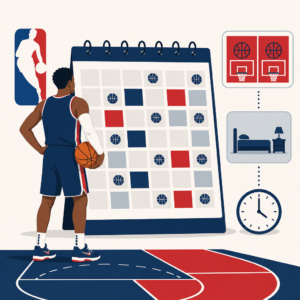
Playoff preparation should begin weeks before your postseason starts. Study the fantasy playoff schedule, especially total games and back-to-backs during key matchup windows. A good player with two playoff games can be less useful than a slightly lesser player with four. Also consider rest risk. Veteran stars on contenders may sit late-season back-to-backs, while lottery teams may shut down injured players early. Building depth, preserving flexibility, and avoiding dead roster spots matters more in March than in November. The managers who plan ahead for playoff volume and availability usually gain the final edge.
To build a winning fantasy basketball team, start by mastering your league settings, because scoring format, roster size, and lineup rules determine everything that follows. Draft from tiers, not fear. Focus early on dependable production and broad category value, then use the middle and late rounds to capture role growth, category specialists, and upside. Pay special attention to scarce stats like assists, steals, and blocks, and understand how percentages work before judging a player’s value. If you play category leagues, let your early picks shape your build rather than forcing a strategy too soon.
Once the season starts, manage actively. Use the waiver wire to capture changing roles, stream intelligently around schedule gaps, and treat the last roster spots as tools rather than trophies. Stay calm during slumps, but act quickly when minutes and opportunity change. Prepare for trades, monitor injuries with context, and plan ahead for fantasy playoff schedules rather than waiting until the last minute. This combination of structure and flexibility is what consistently separates playoff teams from championship teams.
Fantasy basketball is most enjoyable when you approach it like a season-long decision game instead of a one-night draft event. The basics are straightforward, but the edge comes from applying them every week with discipline. Use this hub as your foundation for fantasy basketball, revisit it when your roster needs a reset, and keep refining your process. If you want a winning team, start with a clear plan, stay active all season, and make every roster move serve your format.
Frequently Asked Questions
What is the most important thing to understand before drafting a fantasy basketball team?
The most important step is understanding your league format before you make a single draft decision. Fantasy basketball strategy changes dramatically depending on whether you are playing points, categories, head-to-head, or rotisserie. In a points league, you are usually chasing total fantasy production, which often makes high-usage players and all-around stat producers especially valuable. In a categories league, however, player value is more nuanced because each category carries equal weight, and a player who is elite in rebounds, blocks, and field goal percentage may be more useful than a higher-scoring player with weaknesses in turnovers or free throw percentage.
You should also know the starting lineup requirements, bench size, injured reserve rules, games-played limits, trade settings, waiver rules, and playoff schedule. These details affect how aggressive you can be with upside picks, how much depth matters, and how often streaming is viable. Many managers lose value because they draft based on general NBA reputation instead of fantasy fit. A big-name player can be less useful than a lower-profile player whose stat profile aligns with your league settings. If you start with a clear understanding of the rules, it becomes much easier to build a balanced roster, avoid hidden weaknesses, and make smarter choices throughout the season.
How should I approach the early rounds of a fantasy basketball draft?
In the early rounds, your priority should be securing reliable, high-volume players who provide strong production across multiple categories without creating major weaknesses. This is not the part of the draft to gamble recklessly on breakout hype, uncertain roles, or injury-prone players unless the value is overwhelmingly favorable. Early-round selections shape the identity of your team, so you want players with stable minutes, established usage, and proven production. The best early-round picks are usually stars who contribute in several areas such as points, rebounds, assists, steals, threes, and efficient shooting.
It is also important to think in terms of team construction rather than drafting a list of independent names. If your first pick is a dominant big man who helps heavily in field goal percentage, rebounds, and blocks but hurts free throw percentage, your next few picks should either complement that build or push you toward a clear category strategy. Successful fantasy managers do not simply chase the highest-ranked player available without context. They consider scarcity, positional flexibility, and how categories are stacking up.
Another key principle is minimizing downside in those first few rounds. A player who misses 25 games due to recurring injuries can put your season behind immediately, even if his per-game value is excellent. Availability matters. Early rounds are where you establish a foundation of dependable production; later rounds are where you can take calculated risks on upside. Drafting with discipline at the top gives you a much stronger base from which to manage injuries, slumps, and waiver opportunities over the course of the season.
Is it better to build a balanced roster or use a punt strategy in fantasy basketball?
Both approaches can work, but the best choice depends on your format, your draft room, and the players you land early. A balanced roster aims to remain competitive in most or all categories, which gives you flexibility throughout the season and reduces the damage from one player underperforming. This approach is often easier for newer managers because it keeps more options open during the draft and allows you to adapt on the fly. If you can build a roster with strong contributors across points, rebounds, assists, threes, steals, percentages, and blocks, you are less likely to be cornered into a narrow strategy.
A punt strategy, on the other hand, means intentionally deprioritizing one or more categories so you can dominate others. This can be extremely effective in head-to-head category leagues because you do not need to win every category each week; you just need to win more than your opponent. For example, if your roster is built around players who excel in rebounds, blocks, field goal percentage, and turnovers but are weak at free throws, you might decide to punt free throw percentage and fully commit to maximizing your strengths. The benefit is that players who seem flawed in a standard ranking system may become highly valuable for your specific build.
The key is commitment and clarity. A soft, accidental punt is usually a mistake. If you are weak in a category without gaining a major edge elsewhere, you are simply unbalanced. If you choose to punt, do it intentionally and let that strategy guide your draft, trades, and waiver pickups. If you stay balanced, make sure you are not merely average everywhere with no category advantage. Winning teams usually have a defined identity, whether that identity is broad strength or targeted dominance.
How important is in-season roster management after the draft?
In-season roster management is often the difference between a decent team and a championship team. Drafting well gives you a strong starting point, but fantasy basketball is won over months of adjustments, not in one night. Injuries, role changes, coaching decisions, trades, rest days, and breakout players constantly shift the landscape. Managers who stay active on the waiver wire, monitor trends, and maximize games played can outperform teams that looked stronger on draft day.
One of the biggest edges comes from using the end of your roster strategically. Your final bench spots should not be treated as permanent attachments if those players are not producing. In many leagues, those slots are best used for streaming, which means adding short-term players to gain extra games, target specific categories, or cover injuries. If one player on your bench gives you three games in a week while a waiver option offers four games plus a favorable schedule, that small advantage can swing a matchup.
You should also pay close attention to player development and changing opportunity. A reserve player whose minutes rise from 18 to 30 because of an injury or lineup shift can become a league-winning pickup if you act quickly. The same is true for rookies who earn larger roles later in the season or veterans who become more important after a trade. Strong managers read beyond season averages and focus on recent usage, playing time, and category trends. Staying disciplined, proactive, and willing to make roster changes is one of the clearest paths to long-term fantasy success.
What are the most common mistakes fantasy basketball managers make, and how can I avoid them?
One of the most common mistakes is drafting based on name value instead of fantasy value. A player can be a real-life star yet be less impactful in fantasy because of inefficiency, limited defensive stats, rest risk, or category imbalance. Another frequent mistake is failing to account for league settings. Managers often use generic rankings without adjusting for whether the league is points-based or category-based, which leads to poor draft decisions and mismatched roster construction.
Another major error is ignoring durability and role stability. Managers sometimes chase exciting upside too early and end up with multiple players who miss time, have unclear minutes, or depend on fragile circumstances to return value. Upside matters, but fantasy championships usually require a core of dependable contributors. There is also a tendency to hold underperforming bench players for too long simply because they were drafted. Smart managers know when to move on, especially if a player’s role is shrinking or a better option appears on waivers.
Managers also get into trouble by reacting emotionally to short-term hot streaks or slumps. A two-game surge does not always signal a breakout, and a cold week does not automatically make a good player a sell-low candidate. It is better to evaluate larger trends such as minutes, usage, shot quality, injury news, and schedule context. Finally, many teams lose because they stop managing with urgency late in the season. Playoff preparation matters. Looking ahead to fantasy playoff schedules, injury timelines, and roster flexibility can give you a critical edge when matchups become tighter. Avoiding these mistakes comes down to preparation, patience, and a willingness to make logical decisions instead of emotional ones.