
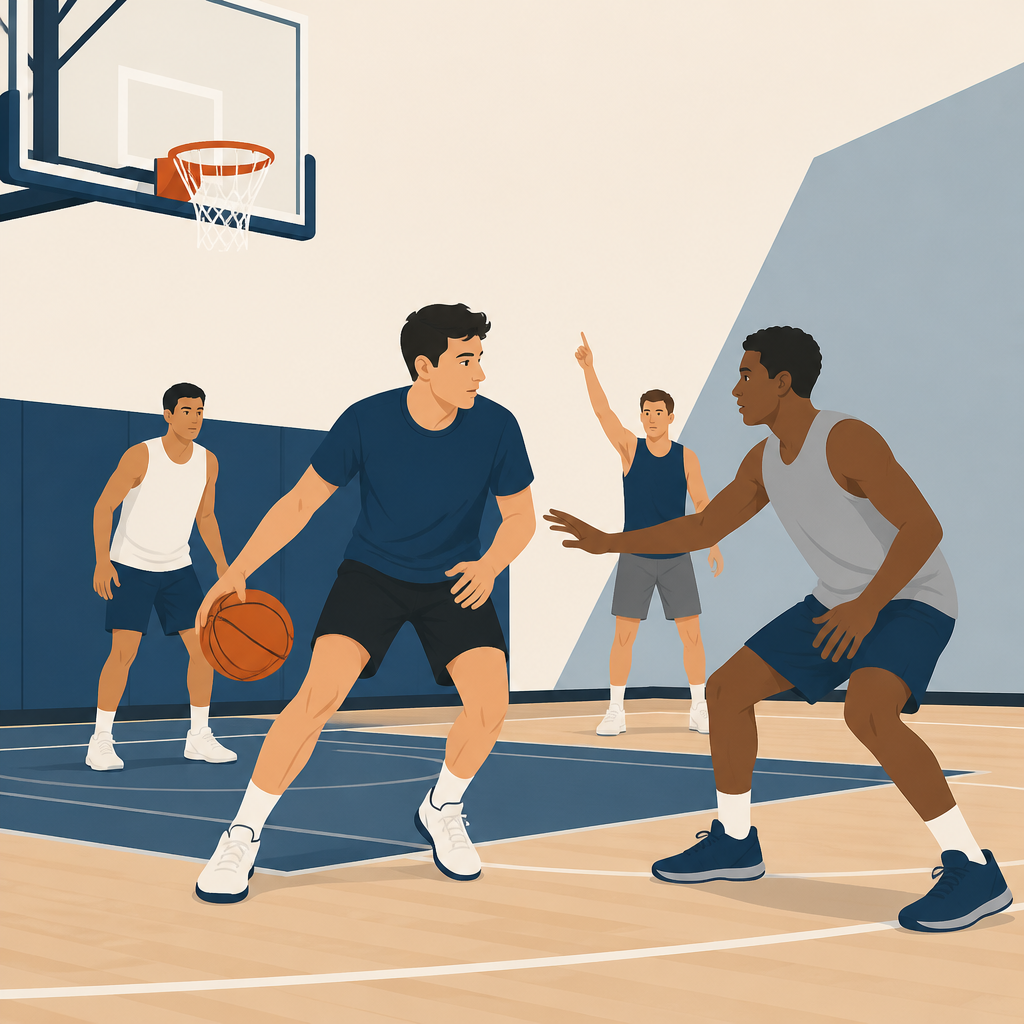
Basketball rewards athletic traits, but it does not require elite speed, vertical lift, or explosive power to be effective. I have coached and played with plenty of productive guards, wings, and bigs who rarely won a sprint or touched the rim, yet controlled games through timing, positioning, and decision-making. The question is not whether a less athletic player can succeed. The real question is which basketball skills consistently outperform raw physical gifts over the course of a possession, a quarter, and a season.
To answer that, start with two ideas: IQ and fundamentals. Basketball IQ is the ability to read the floor, anticipate actions, understand spacing, recognize personnel, and choose the highest-value play before the defense reacts. Fundamentals are the repeatable techniques that make those reads matter: footwork, passing mechanics, shooting form, pivoting, closeouts, box outs, and screen angles. When combined, they let a player create advantages without relying on burst. A smart player gets to the right spot early, uses fewer dribbles, protects the ball, and forces defenders to make difficult decisions.
This matters because most players are not exceptional athletes, and even great athletes age out of their physical edge. At every level, from pickup runs to high school varsity to adult leagues, the players who last are often the ones who defend with positioning, score with craft, and make teammates better. Coaches trust those players because they reduce mistakes and raise the floor of the team. If you want to play basketball without being athletic, your path is clear: master the details that win possessions. The sections below break down the core IQ and fundamentals that form the foundation of effective, sustainable basketball.
Win the Possession Before the Ball Arrives
Less athletic players survive by arriving early. That means seeing the action one beat sooner than everyone else. On offense, early recognition starts with spacing. If a teammate drives baseline, do not drift randomly. Lift from the corner to improve the passing angle, or sink behind the drive if your defender tags the paint. If a ball screen is coming, set up your defender first so the screen creates separation without requiring elite acceleration. Good players create windows; athletic players often try to explode through closed doors.
On defense, early work matters even more. If you are guarding an off-ball shooter, your stance and vision should split the difference between player and ball. If you are the low man in help, be there before the pass is thrown, not after the layup starts. Every coach values players who rotate on time, call out screens, and crack back to rebound. Those habits erase the need for recovery speed. In film sessions, the defensive breakdown usually begins one step before the highlight play. Anticipation fixes that first mistake.
I tell slower players to think in terms of possession math. One clean box out can cancel an opponent’s extra-jump advantage. One early cut can produce a layup without a dribble. One timely stunt can force a pickup and reset the offense. Basketball is a chain of small wins. If you consistently make the first correct read, you will appear quicker than you actually are because the game is rewarding your timing rather than testing your top-end athleticism.
Footwork Is the Great Equalizer
If there is one skill that lets non-athletic players compete immediately, it is footwork. Proper footwork reduces wasted motion, protects balance, and creates usable angles. In the half court, your pivot foot is a tool for generating options. A simple front pivot can improve a passing lane. A reverse pivot can shield the ball from pressure. A jump stop keeps you under control so you can shot fake, pivot, and finish through contact instead of barreling into a help defender. These are not small details. They are possession-saving habits.
In the post and mid-post, footwork lets a player score without leaping over anyone. A strong seal, two-foot catch, shoulder fake, and up-and-under remain effective because defenders react to body language. Luka Doncic, Jalen Brunson, and countless high-level college guards punish defenders with pace changes and pivots more often than pure speed. Their edge comes from balance and timing. They keep defenders off rhythm, then attack the wrong foot. You can practice the same principles with Mikan finishes, chair pivots, stride stops, and inside-foot layups.
Defensively, footwork means containing the ball with slides, drop steps, and angles instead of reaching. Watch disciplined defenders at any level: they open their hips at the right time, absorb contact, and beat drivers to the spot. The goal is not to mirror every move perfectly. The goal is to influence the dribbler toward help, contest without fouling, and finish the possession with a rebound. Slow feet become playable when they are organized.
Shoot Well Enough That Defenders Must Guard You
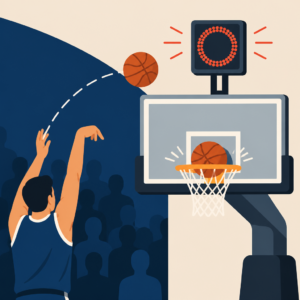
Shooting is the cleanest way to overcome average athleticism because it stretches the floor and punishes defenders for helping. You do not need deep-range flair. You need dependable mechanics and a repeatable routine. Start with shot preparation: feet set before the catch, hands ready, eyes up early, and a compact dip. Many recreational players miss open shots because they prepare late, not because they lack touch. Catch-and-shoot accuracy begins before the ball reaches your fingertips.
Your target areas should be practical. Corner threes, slot threes, free throws, and short floaters are high-value shots for a player who wins with skill. If defenders close hard, use one-dribble pull-ups and side-step relocations rather than trying to outrun them to the rim. In my experience, the most useful shooting progression for less athletic players is form shooting, stationary catch-and-shoot, movement into the catch, then decision shooting against a live closeout. Each layer should preserve balance and shot line.
Good shooters also understand shot quality. A lightly contested corner three is often better than a difficult off-balance drive into length. Analytics across high-level basketball support this: efficient offense comes from shots at the rim, free throws, and open threes. For non-athletic players, the lesson is simple. Do not chase hard shots to prove toughness. Become so reliable on simple shots that defenders are forced to stay attached, then use their urgency against them with shot fakes and extra passes.
Passing and Decision-Making Create Easy Offense
The ball moves faster than any player. That is why passing remains the most powerful equalizer in basketball. A less athletic player who delivers the ball on time, on target, and to the correct hand can drive an entire offense. The skill is not only making flashy reads. It is recognizing the basic windows: pocket passes on pick-and-rolls, skip passes against strong-side tags, hit-ahead passes in transition, and simple reversals that force a closeout. Every accurate pass shifts the defense and saves dribbles.
Decision-making is the layer above passing mechanics. Before you attack, know the likely second defender. Before you swing the ball, know the next pass. Elite processors think one action ahead. Even at amateur levels, this separates steady players from chaotic ones. If a defender top-locks a shooter, the backdoor cut is available. If the big shows high on a ball screen, the short roll opens. If the defense sinks into the lane, the kickout is the correct read. None of these plays require burst. They require recognition.
Turnovers usually come from late reads, loose handle under pressure, or overdribbling. The fix is straightforward: use fewer dribbles, change pace instead of direction when possible, keep your dribble alive until the defense commits, and make the simple pass early. Many players think creativity means complexity. In real games, creativity often means finding the obvious option before everyone else sees it.
| Situation | High-IQ choice | Why it works for less athletic players |
|---|---|---|
| Defender goes under the screen | Stop behind the screen for a jumper | Punishes space without needing to beat the defender downhill |
| Help defender tags the roller | Throw the skip pass to the weak-side shooter | Moves the defense farther than any drive can |
| Hard closeout at the wing | Use one-dribble side step or simple swing pass | Turns defender momentum against them while staying balanced |
| Post entry denied | Reverse the ball and re-post deeper | Uses angle and timing instead of strength or elevation |
| Driving lane closes | Jump stop, pivot, pass out | Prevents charges and live-ball turnovers |
Screening, Cutting, and Spacing Manufacture Advantages
Players who are not explosive should become experts at moving without the ball. Screening is especially valuable because it creates contact legally and forces defenders to navigate traffic. A well-set screen requires base, angle, timing, and stillness. It does not require size or leaping ability. If you set your man up, arrive early, and position your hips correctly, you can free a shooter or ball handler with minimal movement. This is why smart role players stay on the floor. They generate offense without needing touches.
Cutting works the same way. The best cutters read two defenders at once: their own and the helper. If a defender turns his head, cut hard. If the lane is crowded, do not cut into traffic and kill spacing. Replace to open space, then cut on the next advantage. Teams like the Warriors have built years of efficient offense from split cuts, shallow cuts, and relocations that punish ball watching. Those actions are available at every level because they are built on timing, not verticality.
Spacing is the invisible skill tying everything together. Good spacing means being close enough to support a pass and far enough to stretch help. Younger and recreational players often stand one pass away in poor angles, making the offense easier to guard. The fix is to learn standard spots: corners, slots, wings, dunker spot, and short corner. Once you understand where the driving lanes and passing windows live, you stop clogging the floor and start creating it.
Defense Without Great Tools: Position, Communication, Rebounding
You can be a positive defender without elite physical tools, but you cannot be a silent or careless one. Start with positioning. Force drivers toward help, sit on the strong hand when personnel demands it, and close out under control with high hands. Wild lunges get beaten. Disciplined closeouts invite contested pull-ups and buy time for the defense. If you are guarding a stronger player, fight for early position before the catch. Fronting late or wrestling after the catch usually ends badly.
Communication is a real defensive skill. Calling “screen left,” “switch,” “low man,” or “shot” improves everyone’s reaction time. In organized games, the best team defender is often the loudest accurate communicator on the floor. He is not guessing; he is processing. That communication also builds trust. Coaches forgive some physical limitations when a player consistently organizes teammates and executes the coverage.
Rebounding is where effort and technique can erase athletic gaps most dramatically. The sequence is simple: locate, hit, pursue. Too many players jump first. Good rebounders make first contact, widen their base, and carve out space before tracking the ball. Guards who rebound well end possessions and ignite transition without needing outlet help. Dennis Rodman remains the classic example of anticipation and positioning turning rebounding into a science. You do not need Rodman’s instincts to improve. You need the habit of boxing out every time.
Build a Skill-First Game Plan and Practice It Correctly
If you are not naturally athletic, your development plan must be deliberate. Random workouts and endless pickup games will not reliably build the right strengths. Start by identifying your likely role. Are you a connector who passes, screens, and defends? A spot-up shooter who attacks closeouts? A sturdy post player with touch and footwork? Role clarity matters because the best less-athletic players are highly functional in a narrow set of valuable tasks. They know exactly what shots they want, what passes they see best, and what defensive assignments they can handle.
Then structure practice around game actions. Ten perfect jump stops are worth more than fifty sloppy layups. Rehearse catch-to-shot footwork from both corners. Practice one-dribble pull-ups after a hard closeout. Add short-roll passing reads, pivot counters, closeout-to-box-out sequences, and free throws under fatigue. Use video when possible. Watching your own possessions reveals spacing errors, slow decisions, and defensive habits that feel invisible in the moment. I have seen average athletes make major leaps simply by cutting two wasted dribbles per touch.
Finally, play to your strengths with honesty. Do not model your game around players whose success depends on elite burst. Study guards such as Brunson for pace, bigs such as Marc Gasol for positioning and passing, or veteran role players who survive through screen setting and decision-making. Basketball without elite athleticism is not a consolation style. It is efficient, durable, and team-friendly. Master the reads, the footwork, the shot preparation, and the defensive details, and you will win possessions that faster, springier players routinely waste.
Playing basketball without being athletic is completely realistic when your game is built on IQ and fundamentals. The central advantage is not secret talent. It is repeatability. Smart spacing creates cleaner passes. Good footwork preserves balance. Reliable shooting forces honest defense. Timely screening and cutting generate easy points. Positional defense, communication, and disciplined rebounding finish possessions. These are stable skills, and they travel to every level of the game because they depend on judgment and technique more than rare physical tools.
The biggest mistake less athletic players make is assuming they must compensate by playing faster or harder in a chaotic way. That usually leads to rushed shots, overdribbling, poor angles, and fouls. The better approach is controlled efficiency. Arrive early, keep the ball moving, attack advantages instead of forcing them, and make opponents defend multiple actions. When you do that consistently, you stop looking like a limited athlete and start looking like a player who understands how basketball actually works.
If you want lasting improvement, choose three priorities this week: one footwork habit, one shooting habit, and one defensive habit. Track them in games and workouts. Build from there. Skill beats flash over time, and smart fundamentals beat wasted athleticism every day.
Frequently Asked Questions
Can you really be a good basketball player if you are not fast, strong, or able to jump high?
Yes. In fact, many effective players build their entire game around skills that hold up better than raw athleticism from possession to possession. Basketball is not a track meet or a dunk contest. It is a game of spacing, timing, angles, balance, reads, and execution. A player who understands how to get to the right spot early, stay under control, make the simple pass, and consistently take away easy scoring chances on defense can impact winning without ever looking explosive.
Less athletic players often become valuable because they waste fewer movements. They learn how to change pace instead of trying to beat everyone with speed. They use shot fakes, pivots, footwork, and body positioning to create space. On defense, they survive by communicating, seeing the floor early, and forcing opponents into tougher decisions rather than trying to recover with elite quickness. Rebounding can come from anticipation and boxing out, not just leaping. Scoring can come from touch, craft, and reading help defenders, not just blowing by people.
The biggest mistake is assuming athletic limitations automatically cap your effectiveness. They only become a major problem when they are paired with poor decision-making and undeveloped fundamentals. If your handle is reliable, your feet are disciplined, your shot is repeatable, and your understanding of game situations is sharp, you can control possessions in ways that many more athletic players never learn to do. Athleticism can raise a ceiling, but skill and feel for the game often determine who consistently helps a team win.
What skills matter most for a non-athletic basketball player?
The most important skills are decision-making, footwork, shooting, ball security, positioning, and anticipation. If you are not going to overwhelm people physically, you need to become efficient in the areas that decide whether a possession produces a quality shot or a breakdown. Decision-making is at the top of that list. Knowing when to drive, swing the ball, relocate, cut, or pull it out keeps you from playing into defenders’ strengths. The less athletic player who makes quick, correct reads often has more offensive value than the athlete who dribbles into traffic and relies on recovery speed.
Footwork is another game-changing skill. Clean pivots, balanced jump stops, strong closeouts, and controlled changes of direction allow you to play faster mentally without rushing physically. Good footwork helps you get open, protect the ball, defend without fouling, and finish plays under pressure. Shooting also matters because it forces defenders to respect you before the drive even happens. A reliable catch-and-shoot jumper, floater, or short pull-up can neutralize a defender’s speed advantage by making them guard multiple threats.
Ball security is critical. If you cannot separate with athleticism, you must protect the dribble with your body, keep the ball low and tight, and avoid overdribbling. Positioning matters on both ends. Offensively, that means understanding spacing, passing angles, and where help defense is coming from. Defensively, it means sitting in gaps, tagging cutters, and being early instead of trying to be spectacular late. Finally, anticipation ties everything together. Reading the next action before it happens lets you play one step ahead. That is how less athletic players stay effective against stronger and faster opponents.
How can a slower player create scoring chances without beating defenders off the dribble?
A slower player creates offense by winning before the ball is fully attacked. That starts with how you catch the ball, where your feet are set, and whether the defender is already off balance. If you catch ready to shoot, the defender has to close out honestly. Once they react, you can use a shot fake, jab step, rip-through, or one hard dribble to get into an advantage. You do not need to blow past someone by three steps. Often you only need half a step and a clear angle to the lane, the elbow, or a passing window.
Change of pace is more important than straight-line speed for many players. Hesitations, pauses, and controlled deceleration force defenders to reveal their balance. The best non-athletic scorers do not move fast all the time. They move at the right speed at the right moment. They use screens tightly, get shoulder-to-hip with defenders, and keep them on their back once they gain a lane. They also know how to stop under control for floaters, short pull-ups, or kick-out passes instead of forcing contested layups over length.
Off-ball scoring is another major tool. Smart cuts, relocations after passes, backdoor timing, and slipping into open pockets of space can produce easy baskets without requiring elite burst. Post seals, duck-ins, and using your body to create a target are also effective, especially if you understand timing. Even on the perimeter, players can score by setting up defenders with repeated patterns, then breaking those patterns at the right moment. The goal is not to win every play with speed. It is to manipulate balance, spacing, and attention so the defender is late even if you are not fast.
How do non-athletic players hold up on defense against quicker or more explosive opponents?
They hold up by being early, disciplined, and connected to team defense. If you cannot rely on elite recovery speed, your margin for error depends on positioning. Good defenders get to the help spot on time, take proper angles on drives, and stay between the ball and the basket as long as possible. They do not open the gate unnecessarily. They influence handlers toward help, keep their chest involved, and avoid reaching because reaching usually turns a small disadvantage into a blow-by or foul.
Footwork and awareness are the foundation. A less athletic defender needs efficient slides, balance on closeouts, and the ability to decelerate under control. Wild closeouts and lunging recoveries are where slower players get exposed. Strong defenders arrive under control with high hands, take away the immediate shot, and then contain the next move. Communication is also huge. Calling screens early, identifying cutters, and telling teammates where help is coming from can erase disadvantages before they become scoring chances.
Film study and pattern recognition help a lot. If you know an opponent prefers to reject screens, spin back middle, or settle for a pull-up going left, you are already defending with an advantage. Non-athletic players also rebound better when they commit to first contact. Instead of trying to outjump everyone, they find a body, box out with urgency, and pursue the ball with two hands. Defense for a less athletic player is rarely about shutdown highlights. It is about reducing clean looks, steering actions into support, and making every offensive touch feel crowded and uncomfortable.
What should a less athletic player practice to become consistently effective in real games?
Practice should focus on transferable skills rather than flashy workouts that do not match game demands. Start with shooting, because shooting changes how every defender guards you. Work on catch-and-shoot reps from game spots, one-dribble pull-ups, floaters, and free throws. Then spend serious time on footwork: jump stops, pivots, reverse pivots, stride stops, inside-foot finishes, and tight turns off screens. These details help you stay balanced, protect the ball, and make faster decisions without needing elite physical tools.
Ball-handling should emphasize control, not just creativity. Practice keeping defenders on your hip, changing pace, retreat dribbles, strong pickups, and passing out of pressure. Add drills that force you to read a helper or make the next pass quickly. Decision-making can be trained if you build it into workouts instead of only doing isolated moves. Small-sided games, advantage-disadvantage drills, and live reps out of pick-and-roll, dribble handoffs, or closeout situations are especially valuable because they mirror how real possessions unfold.
Defensively, work on stance discipline, closeouts, screen navigation, and shell principles. Learn where you are supposed to be when the ball is one pass away, two passes away, or in the post. Rebounding drills should include finding contact first and carving out space, not just jumping for the ball. Finally, study the game. Watch players who win with craft, pace, and intelligence. Notice how they relocate, seal, fake, and use angles. The less athletic player who combines skill work with film study and realistic live reps improves much faster than the player who only trains for speed or vertical gains. Real effectiveness comes from mastering the moments that decide possessions.