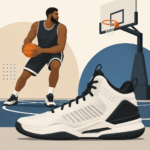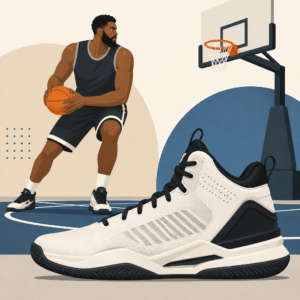

Finding the best basketball shoes for big men starts with understanding a simple truth: centers and power forwards stress footwear differently than guards do. Bigger players land with more force, change direction from a higher mass, and spend more possessions fighting for position in traffic. That combination puts a premium on cushioning, stability, lockdown, and outsole durability. In practical terms, a shoe that feels explosive and low to the ground for a point guard can feel harsh, unstable, or underbuilt for a 250-pound post player. The right model protects joints, improves confidence on rebounds and closeouts, and holds up through long practices as well as games.
When I evaluate basketball footwear for heavier players, I focus on the traits that matter most under real court load. Cushioning means the foam and air-based systems that absorb impact during landings. Support refers to how the upper, heel counter, midfoot shank, and sidewalls keep the foot centered over the platform. Traction is the outsole pattern and rubber compound that create grip on clean and dusty courts. Fit and lockdown determine whether the foot slides inside the shoe during hard stops, spins, and box-outs. A true hub page for basketball footwear has to connect all of these factors, because shoe choice is never just about comfort in a store try-on.
This matters because big men face specific injury and fatigue risks. Plantar fascia irritation, Achilles soreness, forefoot bruising, and knee pain often show up faster when a shoe bottoms out or lets the foot wobble. According to common sports medicine guidance from organizations such as the American Academy of Orthopaedic Surgeons, repetitive impact and poor alignment can aggravate overuse problems in the lower body. For centers and forwards, that risk increases when minutes, body weight, and contact all rise together. Good basketball shoes will not prevent every injury, but they can reduce unnecessary stress by giving larger athletes a wider base, more forgiving impact protection, and structure through the heel and arch.
As the footwear hub within basketball equipment, this guide covers the full decision process. You will learn what features matter most, how popular cushioning systems compare, which shoe types suit specific playing styles, and how to choose for indoor versus outdoor courts. You will also see where other footwear topics fit, including sizing, orthotic compatibility, ankle support myths, break-in, traction maintenance, and rotation strategy. If you play center, power forward, or a hybrid frontcourt role, this guide will help you narrow the field to models that actually support your game instead of chasing whatever is newest or loudest on release day.
What Big Men Need Most From Basketball Footwear
The best basketball shoes for big men usually share four core characteristics: dependable impact protection, torsional rigidity, lateral containment, and a broad contact area underfoot. Impact protection is straightforward. A heavier player compresses foam more deeply, so soft midsoles that feel plush in a showroom may flatten out quickly on court. That is why denser carrier foams, larger-volume Air units, supercritical midsoles, and full-length cushioning packages often work better for centers and forwards than minimal setups. You want cushioning that is comfortable without becoming mushy, because excessive sink can delay response and make balance worse during rebounds or post seals.
Torsional rigidity matters just as much. In basketball footwear, this usually comes from a midfoot shank plate, a strong TPU component, or a well-engineered sidewall design. When a shoe twists too easily, the foot works harder to stabilize, especially during pivots and drop steps. A more rigid midfoot can reduce that wasted motion and help larger players feel planted. Lateral containment is the upper’s ability to keep the foot from rolling over the footbed during aggressive side movement. Thick outrigger shapes, raised sidewalls, supportive heel counters, and reinforced eyestays all help here. Finally, a wider base simply gives bigger athletes more margin for error than narrow, speed-focused silhouettes.
Position and style still influence the exact mix. A traditional center who sets bruising screens, rebounds in traffic, and jumps off two feet may prioritize maximum cushioning and platform stability. A mobile power forward who switches onto guards may accept slightly firmer impact protection in exchange for better court feel and less weight. That tradeoff is why there is no single perfect shoe for every frontcourt player. The goal is to match your load profile and movement pattern to the right build. If you are shopping across our wider basketball equipment coverage, this is also where footwear connects to socks, insoles, braces, and even playing surface.
How Cushioning Systems Compare for Centers and Forwards
Not all cushioning technologies behave the same once a bigger athlete wears them for full sessions. Nike Zoom Air is known for responsiveness and low-profile bounce, but it depends heavily on setup. A forefoot Zoom unit can feel excellent for quick second jumps, yet some larger players need more heel substance than a forefoot-focused design provides. Full-length Zoom Strobel builds tend to offer a more complete ride. Standard Air and larger-volume visible Air setups can add comfort, though they sometimes feel less stable than contained foam systems if the platform is too narrow.
adidas Boost remains popular because it softens impact well and stays comfortable through long runs, but pure softness can become a drawback if the upper and sidewalls do not control lateral movement. Lightstrike and Lightstrike Pro are lighter and more responsive, often better for hybrid forwards who want quicker transitions. Under Armour Flow eliminates a traditional rubber outsole on some models, reducing weight and improving court feel, but durability outdoors can be limited. Curry-branded Flow shoes excel for traction indoors, though many are tuned more for movement players than true centers. New Balance Fresh Foam and FuelCell options vary by model; when paired with wide, stable tooling, they can serve larger players well.
PUMA Nitro foam, especially in basketball-specific implementations, has improved the category by balancing softness with energy return. ASICS, Anta, Li-Ning, and Peak also deserve attention. Li-Ning’s Boom foam and Anta’s nitrogen-infused setups have earned strong performance reviews for combining rebound and support, while ASICS often builds inherently stable platforms due to its running heritage in guidance and structure. The key lesson is this: cushioning should be judged as a complete system, not a marketing label. Foam density, sidewall geometry, strobel board stiffness, shank design, and outsole flare all determine whether the ride supports a bigger body effectively.
| Cushioning type | Main benefit for big men | Possible drawback | Best fit |
|---|---|---|---|
| Full-length Zoom or similar loaded air unit | Responsive impact protection for repeated jumps | Can feel unstable in narrow shoes | Mobile forwards and athletic centers |
| High-volume foam setup | Comfort over long practices and games | May bottom out sooner if foam is too soft | Heavier post players |
| Balanced foam plus shank | Mix of cushioning and stability | Less plush under casual wear | All-around frontcourt players |
| Minimal or low-profile setup | Better court feel and quicker transitions | Often too harsh for larger athletes | Light, switchable stretch fours |
Support, Stability, and Fit: The Features That Actually Protect Performance
Many players still equate ankle support with collar height, but high-tops alone do not create meaningful stability. What matters more is heel lockdown, midfoot containment, and how securely the foot sits inside the chassis. Some of the most supportive basketball shoes for big men are mid-tops with excellent internal padding, rigid heel counters, strong lacing, and sidewalls that rise around the foot. A sloppy high-top can be less supportive than a well-built low or mid. This is one of the most persistent footwear myths, and it leads players to buy by silhouette instead of by structure.
Fit is equally important. Bigger players often have wider feet, higher insteps, or use custom orthotics, so toe-box shape and removable insoles matter. A shoe can have elite cushioning, but if it pinches the forefoot or forces the arch into the wrong position, it will fail in real use. Brands differ here. New Balance frequently offers friendlier shaping for wide-footed athletes. Nike models vary widely by line. adidas can feel snug through the midfoot in some performance shoes. Chinese brands such as Li-Ning and Anta often run differently from standard US expectations, so sizing research matters. Whenever possible, test shoes later in the day when feet are slightly swollen, and wear your actual game socks.
Look for practical build details: a substantial heel counter to limit rearfoot collapse, an outrigger for lateral stability, a rigid shank to resist over-twisting, and upper materials that do not stretch excessively after break-in. For centers and forwards, I also like seeing strong internal padding around the Achilles and heel notch, because secure rearfoot hold reduces friction and keeps the foot from slamming forward on stops. If you are pairing shoes with ankle braces or orthotics, account for volume. Some models that perform beautifully for normal feet become cramped once supportive inserts are added. That is where a dedicated sizing guide and orthotic-focused footwear review become valuable next reads within the broader footwear section.
Top Shoe Profiles by Playing Style and Court Type
Instead of chasing one universal recommendation, it is smarter to identify the shoe profile that matches your role. For a true center, the ideal basketball shoe usually includes a broad base, substantial heel cushioning, durable rubber, and a sturdy upper that can handle contact in the lane. Think of models in the mold of the LeBron line, select KD team-oriented builds, or stable big-player options from Anta and Li-Ning. These shoes are not always the lightest, but they tend to absorb repeated landings and stay composed when a 260-pound player plants, pivots, and boxes out under the rim.
For a modern power forward, versatility becomes more important. You may defend in space, attack off one or two dribbles, and still rebound among bigger bodies. Here, a balanced setup works best: enough cushioning for impact, but not so much softness that the shoe feels delayed. Many players in this category do well in firmer, responsive midsoles with a strong shank and clean traction pattern. The ideal profile supports closeouts and lateral slides without punishing the knees on landings. If you are a stretch four who moves like a wing, you can sometimes wear shoes marketed to guards, but only if the platform is stable and the underfoot package does not feel harsh after a full run.
Court type should influence every purchase. Indoor-only players can prioritize translucent rubber if traction is proven, but dusty gyms still reward deep, well-spaced patterns that wipe clean easily. Outdoor players need thick rubber, harder compounds, and uppers that tolerate abrasion. Many premium indoor models wear down quickly on asphalt, especially those with soft foam sidewalls or outsole-less constructions. This is why a two-shoe rotation often makes sense for larger athletes: one pair for games and clean indoor sessions, another for outdoor runs and skill work. Rotation extends foam life, preserves traction, and gives cushioning time to decompress between uses, which is particularly useful when you are loading the midsole with more body weight every session.
Buying Smart: Durability, Break-In, and When to Replace Your Shoes
Durability matters more for big men because heavier use exposes weak points faster. The first failure areas are usually lateral toe drag zones, heel lining wear, outsole smoothing, and foam compression. A shoe that feels great for three weeks but loses shape by month two is not actually a good value. Before buying, check independent wear testing from sources such as Weartesters, Foot Doctor Zach, RunRepeat, Sole Bros, and major retailers with verified reviews. Look for repeated comments about outsole longevity, upper stretch, and whether cushioning bottoms out for heavier players. Consistent patterns across many testers usually tell the truth better than launch-day hype.
Break-in should be short for performance footwear. Minor stiffness in the upper or shank is normal, but pain is not. If a shoe creates hot spots, heel slip, numb toes, or arch irritation after two or three sessions, the fit is probably wrong. Do not assume every issue disappears with wear. In my experience, lockdown can improve slightly and foam can soften a bit, but a fundamentally narrow forefoot or unstable heel rarely transforms. Use a simple replacement checklist: if traction no longer bites after cleaning, the midsole feels flat compared with a newer pair, the upper allows visible foot spillover on cuts, or you are developing unusual soreness, it is time to retire the shoe from game duty.
The main takeaway is simple. Big men need basketball footwear built for force, not just for style or speed. Prioritize stable cushioning, secure fit, durable traction, and a platform wide enough to keep your landings controlled. Match the shoe to your playing style, body type, and court surface, then monitor wear before performance drops. If you want to build a complete setup, continue through the rest of the basketball footwear hub for sizing guidance, orthotic compatibility, ankle brace fit, outdoor options, and model-specific reviews. Start with the right pair, and every rebound, closeout, and post move feels more secure.
Frequently Asked Questions
What should big men prioritize most when choosing basketball shoes?
Big men should focus first on the features that directly manage force and keep the foot secure through heavy, repeated contact with the floor. For centers and power forwards, that usually means dependable cushioning, strong lateral stability, reliable lockdown, and durable outsole traction. Because bigger players land with more impact and often absorb contact in crowded areas near the paint, a shoe needs to do more than feel comfortable during the first few minutes. It has to stay supportive through rebounds, post moves, box-outs, short explosive jumps, and constant body-to-body play.
Cushioning matters because it helps reduce harsh landings and leg fatigue over the course of a game. However, soft cushioning alone is not enough. If the foam is too plush without enough structure, the foot can feel unstable during lateral movement and close-contact play. That is why support features such as outrigger shapes, firmer sidewalls, torsional plates, and secure heel containment are so important. They help keep the foot centered on the platform during pivots, drop steps, and defensive slides.
Fit is equally critical. A big man’s shoe should hold the heel in place, minimize internal movement, and provide a stable base under the forefoot and midfoot. Traction also deserves close attention, especially for players who spend time planting hard in the lane or rotating quickly to contest shots. Finally, durability should not be overlooked. Heavier athletes often wear down midsoles and outsoles faster, so strong rubber coverage and resilient upper materials can make a meaningful difference in long-term performance.
Why is cushioning so important for centers and forwards, and what kind works best?
Cushioning is especially important for bigger basketball players because every landing carries more force. Centers and forwards are frequently jumping for rebounds, contesting shots, and landing in traffic, often with less control than players operating on the perimeter. Over time, repeated impact can contribute to foot soreness, ankle fatigue, knee discomfort, and general wear on the lower body. Good cushioning helps absorb some of that punishment and can make a major difference in comfort and recovery, especially during long practices, tournaments, or multiple weekly games.
The best type of cushioning for a big man is usually cushioning that balances impact protection with stability. In other words, the shoe should feel forgiving underfoot without becoming mushy or unstable. A setup that is too soft can allow the foot to sink excessively, which may reduce confidence during lateral cuts or quick changes of direction. A more ideal setup often combines a substantial foam carrier with a responsive insert, air unit, or structured cushioning system that spreads pressure while keeping the platform controlled.
Heel cushioning is often particularly important because many bigger players land heavily through the rearfoot after rebounds or short jumps. Forefoot cushioning still matters, especially for second jumps and push-off comfort, but the full system should work together to protect without making the shoe feel disconnected from the court. The key is not simply maximum softness. For most big men, the best cushioning is the kind that remains consistent, stable, and supportive under a larger frame throughout real game conditions.
Are high-top basketball shoes better for big men than mid-tops or low-tops?
Not necessarily. The old assumption is that high-tops automatically provide better support, but collar height alone does not determine whether a basketball shoe is a good option for a bigger player. What matters far more is the total support package: heel lockdown, midfoot containment, base width, torsional rigidity, sidewall support, and how securely the upper keeps the foot over the platform. A low-top with excellent structure can be more stable than a high-top with soft materials and weak containment.
That said, many big men do prefer mid-top or high-top models because they often come with more substantial construction and a more planted feel. These designs may offer a greater sense of security around the ankle and lower leg, especially during physical post play or when absorbing contact on awkward landings. The psychological confidence they provide can also matter. If a player feels more secure in a higher-cut shoe, that can influence comfort and performance.
The best approach is to evaluate the whole shoe rather than focusing only on cut. Try to assess whether the heel stays locked down, whether the midfoot feels supported during pivots, and whether the forefoot stays contained when planting or changing direction. For big men, a stable platform and secure fit are usually more important than whether the shoe sits below or above the ankle bones. In short, high-tops can be a good choice, but they are not automatically the best choice for every center or forward.
How should basketball shoes fit for bigger players to get the right mix of comfort and support?
For bigger players, the right fit should feel secure without being restrictive. The heel should stay in place with minimal slippage, the midfoot should feel held firmly, and the forefoot should have enough room for natural toe splay without allowing the foot to slide around inside the shoe. This balance is extremely important because a shoe that is too loose can reduce stability and increase friction, while a shoe that is too tight can create pressure points, numbness, and discomfort during longer sessions.
Length matters, but shape matters just as much. Some big men have wider feet or need more volume in the forefoot, so a narrow, aggressively tapered shoe may feel unstable or uncomfortable even if the length is technically correct. When trying on a pair, pay close attention to whether your foot sits on the footbed cleanly without spilling over the sides. If the upper squeezes the foot too much, it can compromise comfort and circulation. If it allows too much movement, it can hurt lockdown and overall support.
It is also smart to test the fit in basketball-specific motions rather than just standing still. Simulate a hard plant, a short jump, a pivot, and a quick lateral push. Notice whether your toes slam the front, whether the heel lifts, or whether the foot shifts over the edge of the midsole. Those are warning signs. Bigger players generally benefit from a fit that feels snug through the heel and midfoot, stable on the platform, and comfortably accommodating in the forefoot. The best shoe should feel ready for contact and repeated impact, not merely comfortable for casual wear.
How often should big men replace their basketball shoes, and what signs show a pair is worn out?
Big men often need to replace basketball shoes sooner than lighter players because they place more stress on the midsole, outsole, and upper during every session. There is no exact timetable that works for everyone, since replacement depends on playing frequency, body size, court surface, and the durability of the specific model. A player practicing and competing several times a week will wear through a pair much faster than someone playing casually once in a while. Still, for heavier athletes, performance decline in a shoe can happen before the upper visibly falls apart.
One of the first signs is cushioning that feels dead or less protective than it did when the shoes were new. If landings start to feel harsher, legs feel more fatigued, or foot soreness increases after normal runs, the midsole may be breaking down. Another important sign is reduced stability. If the shoe begins to feel wobbly, compressed on one side, or less secure during lateral movement, that can indicate structural wear. Outsole traction is another major factor. If the tread is smoothed down, slipping becomes more frequent, or the rubber is wearing unevenly, the shoe may no longer provide dependable grip.
You should also inspect the upper and internal support components. Stretching around the forefoot, weakened eyelets, a softened heel counter, or visible separation between the outsole and midsole can all affect performance. For big men especially, once a shoe stops delivering stable cushioning and secure containment, it is no longer doing its job. Replacing shoes at that point is not just about comfort; it is about maintaining support, movement confidence, and reducing unnecessary stress on the feet and legs.