
Following the NBA is more rewarding when you understand not only teams, schedules, and arena culture, but also how to buy tickets without overpaying. Fans often assume the cheapest path is grabbing seats the moment a schedule drops, yet in practice the best deals usually come from understanding the full ticket ecosystem: primary sales from teams, secondary market listings from season-ticket holders and brokers, and group sales programs run directly by franchises. This guide explains how to get NBA tickets for less, with a special focus on the secondary market and group sales, while also serving as a practical hub for anyone learning how to follow the NBA across a full season.
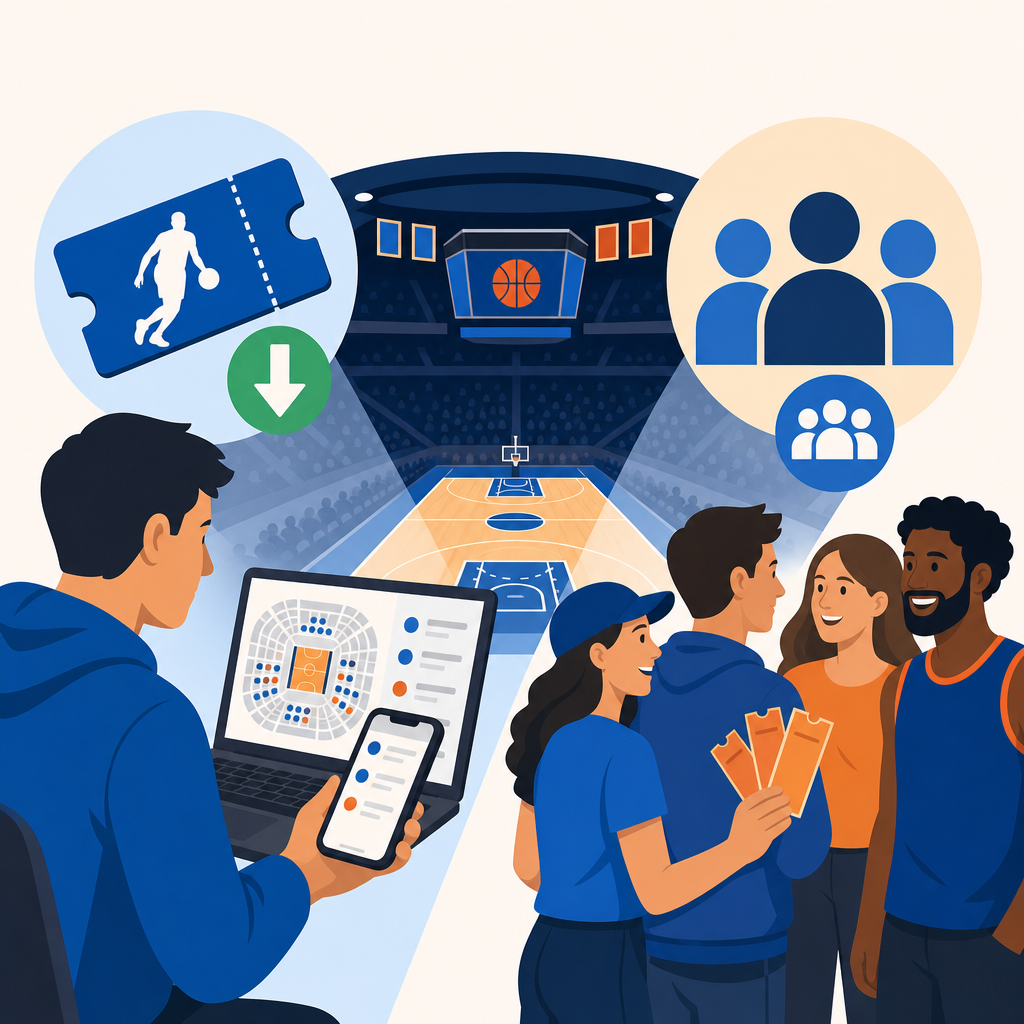
NBA tickets are dynamic products. Prices shift based on opponent, day of week, injuries, standings, local demand, and even weather. “Secondary market” means tickets resold after the original purchase, usually on platforms such as Ticketmaster resale, StubHub, SeatGeek, and Vivid Seats. “Group sales” means blocks of tickets sold directly by a team to organized parties, often at discounted rates and sometimes with perks like scoreboard recognition or postgame experiences. Knowing the difference matters because the cheapest option changes by game. In my experience tracking team inventory and resale patterns across multiple seasons, there is no single best buying method. There is only the best method for a specific game, city, and timing window.
This matters because NBA attendance costs extend far beyond the ticket face value. Service fees, parking, concessions, and transit can turn a “good deal” into an expensive night quickly. The smartest fans compare total cost, not sticker price, and treat ticket buying as part of a larger game-day budget. If you follow the NBA regularly, whether you want a one-off rivalry game or ten nights at the arena, learning these mechanics saves real money and improves seat quality. It also helps you plan the wider experience: which games to target, when to wait, when to buy early, and how to use fan memberships, verified resale, and group programs as part of a season-long strategy.
How NBA Ticket Pricing Actually Works
NBA teams no longer price every game the same way. Most clubs use variable pricing, and many effectively use dynamic pricing on the primary market. A Saturday game against the Lakers, Celtics, Warriors, or Knicks will usually cost more than a Tuesday game against a rebuilding opponent. Marquee players move prices dramatically. When I have watched inventory after injury news, lower-bowl seats have fallen by double-digit percentages within hours if a star is ruled out. The reverse happens when playoff races tighten or a rookie phenom catches fire. Understanding this pricing logic is the first step to paying less.
Primary-market inventory is sold through the team and its official ticketing partner, commonly Ticketmaster. These tickets may include standard seats, premium seats, mini plans, partial plans, and group blocks. Secondary-market tickets are resold by people who already hold inventory, including season-ticket members, individual fans, and professional resellers. The important point is that the two markets compete. If a team has a lot of unsold standard inventory, the primary market may beat resale. If the game is technically sold out, resale becomes the main source, but price may still drop near tip-off if sellers become anxious.
Fees distort comparisons. One platform may show a lower base price but higher checkout fees. Another may advertise “all-in pricing,” which is far easier for apples-to-apples comparison. Since the Federal Trade Commission has pushed for clearer disclosure and several states have focused on fee transparency, fans should always compare final checkout totals, not headline prices. The best practice is simple: open multiple tabs, choose the same section or row range, and compare the all-in amount per ticket before you commit.
Using the Secondary Market Without Getting Burned
The secondary market is often the cheapest route for single-game NBA tickets, especially for weekday games, teams outside the top attendance tier, and matchups where casual demand is weak. It is also the best route when you care more about seat quality than just getting in the building. Season-ticket holders frequently dump excellent locations when they cannot attend, and those seats can undercut team pricing once sellers prioritize recovery over profit. I have repeatedly seen lower-bowl corner seats dip below face value for midseason games in markets with strong season-ticket bases but inconsistent game-by-game demand.
Stick to verified platforms that guarantee ticket validity and provide a clear refund or replacement policy. Ticketmaster resale, StubHub, SeatGeek, and Vivid Seats dominate the market because they have established transfer systems and buyer protections. That does not mean every listing is equal. Compare section, row, aisle position, transfer method, and whether the seats are instant download or delayed release. Delayed transfer is not always a problem, but it adds uncertainty. If the game is important or you are traveling, instant transfer is worth paying slightly more for.
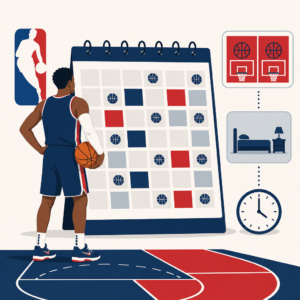
Timing is the critical skill. For low-demand games, prices often soften in the final 24 to 72 hours. For elite opponents or holiday dates, waiting can backfire because supply evaporates. A useful rule is to categorize games into three buckets: premium, standard, and soft. Premium games often reward early buying. Soft games usually reward patience. Standard games require monitoring. Set price alerts and check trends several times instead of making a snap decision based on one search. Platforms such as SeatGeek and StubHub make this relatively easy, and Google can surface pricing snapshots directly in search results.
| Game Type | Typical Price Behavior | Best Buying Window | Main Risk |
|---|---|---|---|
| Marquee opponent or rivalry | Prices stay high or rise as inventory tightens | Buy early after schedule release or when promos appear | Waiting too long leads to limited supply |
| Weeknight standard matchup | Prices fluctuate modestly | Monitor one to two weeks out and again 48 hours before tip | Overpaying if you buy at the first listing |
| Low-demand game | Prices often fall near game day | 24 to 72 hours before tip-off | Last-minute travel or planning stress |
| Playoff race or debut return game | Prices react fast to news | Buy as soon as the key narrative becomes clear | Sudden spikes after media attention |
There are limitations. Secondary tickets can become expensive when speculative sellers control supply, and fees can erase apparent bargains. You also lose some direct relationship benefits that come with team purchases, such as easier access to package offers or member service support. Still, for fans buying one or two games at a time, verified resale remains one of the most effective ways to get NBA tickets for less.
When Group Sales Beat Individual Ticket Shopping
Group sales are overlooked because many fans assume they only apply to corporate outings or youth teams. In reality, group departments at NBA franchises often work with birthday parties, alumni associations, school communities, social clubs, employee resource groups, church groups, and informal friend networks. Minimums vary, but many teams start group eligibility around 10 to 20 tickets. The value comes from negotiated per-seat pricing, reduced fees in some cases, and extras that individual buyers cannot access at the same price point.
A group sale can beat the secondary market when your priority is keeping everyone together and controlling the total budget. I have found this especially true for weekend games against non-marquee opponents and for upper-level sections where teams hold large blocks. Group reps also know which areas have the cleanest sightlines for first-time attendees, which matters if you are bringing kids or coworkers. Instead of piecing together scattered resale inventory, you can secure one block, one invoice, and one contact person.
Perks matter too. Group packages may include a fan tunnel experience, a photo on the court, a postgame free throw, or a scoreboard welcome. These extras are not just cosmetic; they increase value without increasing your ticket price proportionally. If your group was already planning a social event, that bundled access can make a team offer superior to a slightly cheaper resale listing. Contact the team’s group sales office directly, ask about current inventory maps, and compare the all-in rate to what you can find publicly. Teams want predictable attendance, and reps often have flexibility, especially for dates that are lagging.
Best Strategies for Different Types of NBA Fans
If you are an occasional fan, focus on flexibility. Choose two or three acceptable games instead of one fixed date, compare team offers and resale, and avoid premium opponents if budget matters most. If you are a regular arena-goer, mini plans or partial plans can lower average cost and unlock member benefits, then you can fill extra games on the secondary market. If you support a road team, target cities where demand is softer and travel costs are lower; seeing your team away can be cheaper than a home marquee date.
Families should prioritize total experience cost. Afternoon weekend games may seem convenient, but they often carry a premium. A school-night game against a non-marquee opponent can save substantially on tickets, parking, and concession congestion. Students and young professionals should monitor rush offers, last-minute app promotions, and verified resale close to tip-off. Several teams also run text clubs, email newsletters, or student passes that release discounted inventory in batches. These programs are easy to ignore, but they consistently produce some of the best legal below-market opportunities.
Large groups should designate one buyer early, gather deposits before contacting the team, and ask direct questions: Are fees included? Can the group size expand later? Is there a deadline for final payment? Are there concession vouchers or parking add-ons? Precise questions often reveal hidden value or hidden costs. That same planning mindset helps anyone following the NBA more broadly. The smartest fans treat ticket buying like roster construction: know your budget, know your alternatives, and act when the market gives you an edge.
Following the NBA Beyond One Ticket Purchase
As a hub for following the NBA, this topic goes beyond a single night at the arena. Ticket strategy connects to schedule strategy, rivalry awareness, travel planning, and understanding league rhythms. Back-to-backs, national TV windows, load management concerns, and trade deadline movement all affect demand. If you follow these patterns, you can predict better buying spots. For example, a late-season game between lottery-bound teams may look unappealing nationally, but it can offer excellent value for fans who simply want to experience an NBA arena at a low cost.
This broader perspective also helps with related fan-guide decisions. You should know how to compare seating charts, evaluate sightlines, choose between upper-bowl center and lower-bowl corner, understand arena bag policies, and estimate transit times. You should also know when season memberships make sense, how playoff presales typically work, and why official team newsletters are worth joining. Within a complete fan guide, those subjects naturally support this article because better basketball-following habits lead to better ticket outcomes. Fans who pay less are usually the ones who prepare more.
Reliable information sources matter. Use official team schedule pages, arena event calendars, injury reports, and reputable beat coverage rather than rumor accounts. For pricing, compare multiple marketplaces and the team’s own site. For the in-arena experience, read policy pages before you go. These steps are simple, but they prevent the most common mistakes: buying too early for a low-demand game, waiting too long for a premium game, choosing seats with obstructed views, or missing discounts hidden in team-run channels.
Getting NBA tickets for less comes down to understanding leverage. The secondary market is strongest when sellers fear unsold inventory. Group sales are strongest when teams value guaranteed attendance and can package extras. Primary sales are strongest when promotions, memberships, or presales offer direct value that resale cannot match. The right choice depends on the game, your group size, and how flexible you can be.
The core lessons are straightforward. Compare all-in prices, not face value. Segment games into premium, standard, and soft demand. Use verified resale platforms for protection and better seat selection. Call group sales when you need 10 or more seats, want everyone together, or value add-on experiences. Follow NBA schedules, injury news, and team promotions because ticket prices react to all of them. Most importantly, approach ticket buying as part of following the NBA intelligently, not as a one-click impulse purchase.
If you want better seats for less money this season, start by picking a few target games, setting price alerts, and checking your favorite team’s group and promotional offers before you buy. That small amount of preparation is usually the difference between overpaying and getting real value at the arena.
Frequently Asked Questions
Is it cheaper to buy NBA tickets when they first go on sale, or should I wait for the secondary market?
It depends on the game, but for many regular-season matchups, waiting and monitoring the secondary market can lead to better prices than buying the moment tickets are released. When teams first put seats on sale, prices are often based on projected demand rather than actual market behavior. That means high-interest games may open at ambitious price points, especially for marquee opponents, weekend dates, holiday games, rivalry matchups, and contests featuring superstar players. Once season-ticket holders, ticket brokers, and other fans begin listing inventory, the market becomes more competitive, and prices can soften if supply is strong and demand is weaker than expected.
That said, buying early still makes sense in certain situations. If you want opening night, Christmas Day, playoffs, a retirement ceremony, a rivalry game, or a matchup involving a major star, prices may rise as the event gets closer rather than fall. The same is true when inventory is limited or when travel plans require certainty. The smartest approach is to think in tiers: buy early for premium, high-risk games where availability matters most, and consider waiting for lower-profile games where resellers may drop prices to avoid losing money. In practice, the cheapest strategy is usually not “always buy early” or “always wait,” but rather understanding the demand level of the specific game and tracking price movement across multiple days or weeks.
How does the secondary market for NBA tickets actually work, and is it safe to use?
The secondary market is where already-issued tickets are resold by season-ticket members, individual fans, brokers, and professional resellers. Listings appear on major ticket platforms that serve as marketplaces, and prices can fluctuate constantly based on demand, remaining inventory, opponent quality, day of the week, injuries, playoff races, weather, and even late-breaking news. If a team is underperforming, if a star player is ruled out, or if too many sellers list seats for the same game, prices can drop. If a game becomes more desirable, prices can climb quickly. That dynamic pricing is the main reason educated buyers can often find value on the resale side.
As for safety, the secondary market is generally safe when you use reputable platforms that provide digital ticket transfer, order guarantees, and customer support. Most NBA teams and arenas now rely on mobile ticketing, which makes legitimate transfer easier and reduces some of the old risks associated with paper tickets or screenshots. Even so, buyers should read the platform’s refund and replacement policy, compare the full checkout total rather than just the headline price, and avoid off-platform deals from strangers unless they are prepared to accept more risk. A ticket that looks cheap at first can become expensive after fees, while a slightly higher listing on a more reliable platform may offer better overall value and peace of mind.
What are NBA group sales, and when are they a better deal than buying individual seats?
Group sales are ticket packages sold directly by NBA teams for parties that meet a minimum size requirement, often for youth teams, companies, schools, social clubs, alumni groups, nonprofits, family reunions, or fan organizations. The exact threshold varies by team and game, but group programs are designed to fill blocks of seats efficiently while offering buyers benefits that usually are not available through standard single-game purchases. Depending on the franchise and the date, those perks may include discounted pricing, waived or reduced fees, preferred seating sections, scoreboard shoutouts, postgame free throws, fan experiences, hospitality options, or access to a dedicated group sales representative.
Group sales can be a better deal than buying individual tickets when you have enough people to qualify and you value convenience, organization, and extras in addition to price. In some cases, the per-ticket cost is lower than what you would find on the primary market and more predictable than the resale market, especially for weekday or lower-demand games. Group sales are also useful if you need everyone seated together, because buying a large block on the open market can be difficult and expensive. However, group sales are not automatically the cheapest option for every game. For a low-demand matchup close to tipoff, resale tickets might fall below the group rate. The best way to evaluate the offer is to compare the total all-in cost, seating location, and included benefits, not just the advertised base price.
How can I tell whether an NBA ticket listing is really a good deal once fees are included?
The most important rule is to compare the all-in price, not the initial listing price. NBA ticket shoppers are often drawn to a low number shown in search results, only to discover substantial service fees, delivery charges, or taxes at checkout. A true deal is determined by the final total, the seat quality, and the reliability of the seller or platform. Start by comparing similar sections and rows across multiple marketplaces, then look at the final amount you would actually pay. Two tickets with different listed prices can end up costing nearly the same once fees are added, and sometimes the “more expensive” option is actually cheaper in the end.
It also helps to judge value in context. Lower-bowl corner seats may be a stronger buy than upper-level center seats if the final prices are close, while aisle seats, club access, and parking inclusions can justify a higher number. Timing matters too. If prices have been steadily declining for days, what looks like a decent deal now might become better later. On the other hand, if inventory is shrinking and prices are trending up, waiting could cost more. Savvy buyers watch price trends, compare sections rather than just single listings, and decide in advance what seat location and total budget make sense. That prevents emotional purchases and makes it easier to recognize a genuinely strong offer when it appears.
What are the best practical strategies for getting NBA tickets for less without sacrificing too much seat quality?
The best strategy is to stay flexible and shop with a plan. Start by targeting lower-demand games whenever possible. Weeknight matchups, games against less popular opponents, and dates outside holiday periods are often more affordable than weekend contests or games featuring marquee stars. If your priority is simply being in the building, upper-level sideline seats can offer a much better viewing experience than fans expect, especially in modern arenas. If you want lower-bowl access at a discount, look for corner or endline sections rather than center-court inventory, which tends to carry the biggest premium.
From there, use the full ticket ecosystem to your advantage. Check the team’s direct ticket offerings first so you understand the baseline primary-market price. Then compare that with secondary-market listings over time rather than making a decision based on one search. If you are attending with friends, ask the team about group sales because even if the discount is modest, the ability to sit together and receive added perks can improve the overall value. Sign up for team emails, app alerts, and promotions, since franchises sometimes release special offers tied to specific games. Finally, avoid shopping purely on impulse. Buyers who monitor inventory, compare all-in prices, and stay open to alternative dates or sections usually spend less than fans who wait until the last minute with no flexibility and only one game in mind.