
Basketball equipment for kids can look deceptively simple from the sidelines, yet the right setup affects safety, skill development, confidence, and whether a child enjoys the game enough to stay with it. Parents usually start by asking what to buy before the first practice, but that question quickly expands into larger decisions about leagues and programs, because equipment needs change depending on where and how a child will play. In youth basketball, “equipment” includes the obvious items such as a ball, shoes, and clothing, but it also includes support gear like a water bottle, backpack, mouthguard in some settings, and basic first-aid supplies for families who spend weekends in gyms. “Leagues and programs” refers to the organized pathways children join, including recreational departments, school teams, travel clubs, camps, clinics, and private training groups. Each environment has different expectations for uniforms, basketball sizes, footwear rules, and practice frequency.
I have helped families prepare kids for first rec seasons, AAU tryouts, and school-based teams, and the biggest mistake is buying everything at once without checking league rules first. A first grader in a local parks program does not need the same gear as a fifth grader entering a competitive club season with multiple weekly practices and out-of-town tournaments. Cost also matters. Youth basketball can be affordable when purchases are prioritized correctly, but it gets expensive fast if parents chase premium gear before a child has consistent habits. This hub article explains what to buy before kids start playing, how to match equipment to different leagues and programs, and how to avoid common spending errors. The goal is practical: help you buy only what your child needs now, understand what can wait, and choose equipment that supports learning the game rather than distracting from it. When equipment fits, leagues are chosen wisely, and expectations are realistic, children start basketball with fewer barriers and a better chance of sticking with it.
Start With the League or Program, Not the Shopping Cart
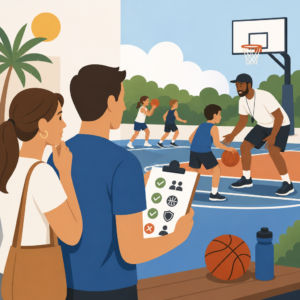
The smartest first step is identifying the type of program your child is entering. Recreational leagues usually emphasize participation, basic skills, and local schedules. They often provide a jersey and may keep equipment requirements minimal: athletic shoes, shorts, and sometimes a league-approved ball for home practice. School teams vary by district and age, but they frequently have more structured expectations around tryouts, practice attendance, and team gear. Travel teams and club programs demand the most planning because families often need tournament uniforms, warm-ups, backpacks, and shoes durable enough for several weekly sessions.
Program structure shapes buying decisions because it dictates how much gear will be used and how quickly it will wear out. A child in an eight-week rec league might be fine with one pair of court shoes and one youth basketball. A child in year-round club play may need rotation between two pairs of socks per day, replacement insoles, and a second practice ball to keep at home or in the car. Before you buy anything, ask for the league handbook, uniform list, ball size, and footwear restrictions. Many gyms ban black-soled outdoor shoes because they mark the floor. Some leagues require numbered reversible jerseys sold through the organization. Others include them in registration fees.
Parents also need to know whether the program uses lowered rims, modified balls, or age-based divisions aligned with national governing standards. USA Basketball and Jr. NBA youth guidelines support age-appropriate equipment because scaled environments improve shooting mechanics and engagement. If a program uses an 8-foot rim and a 27.5-inch ball for younger players, buying a full-size indoor ball at the start can slow progress. Matching home equipment to game conditions matters more than buying the most expensive version.
The Core Equipment Every Beginner Actually Needs
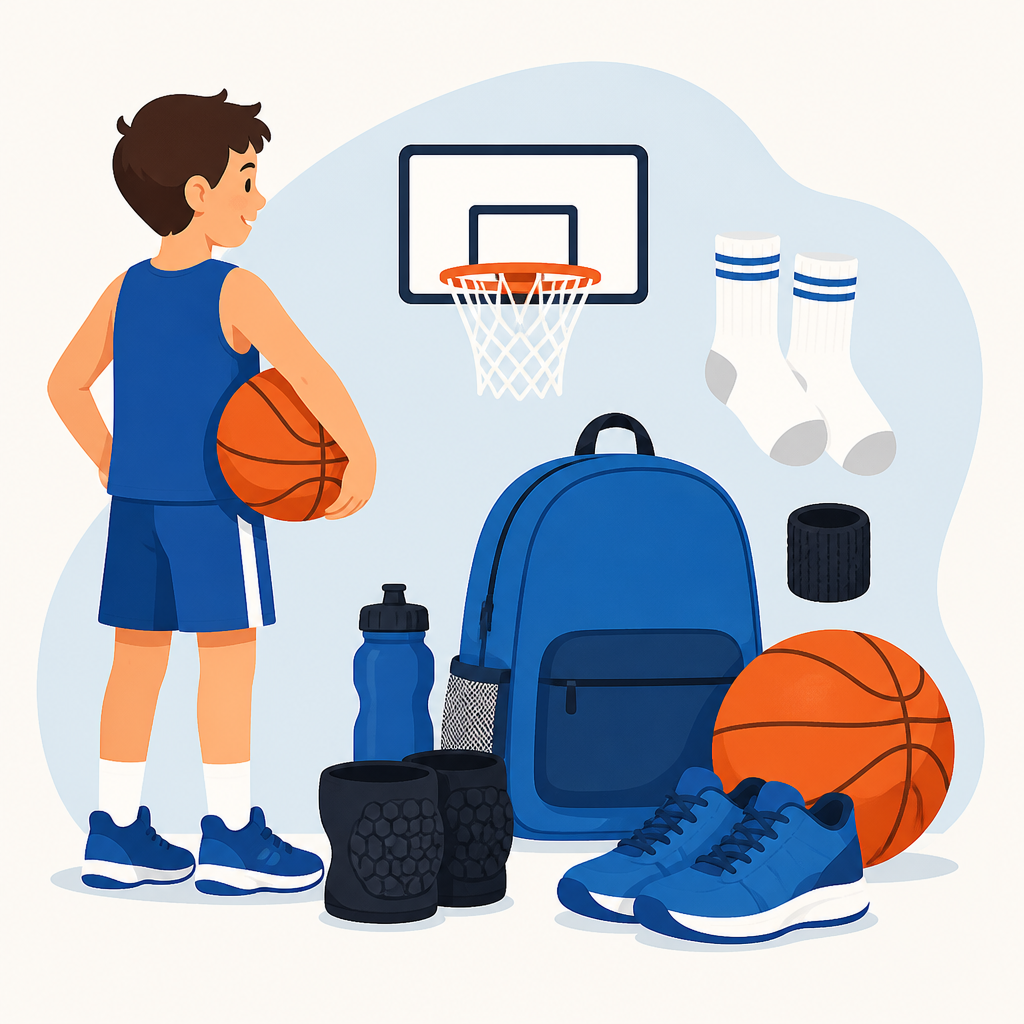
For most kids starting basketball, the must-buy list is short: one correctly sized basketball, one pair of basketball or court shoes with solid traction, breathable practice clothes, performance socks, a water bottle, and a bag that keeps gear organized. Everything else depends on the league. The ball is the centerpiece. Standard youth sizing matters because hand size, shooting mechanics, and dribbling control are directly affected by circumference and weight. Many young players use a size 5 ball at 27.5 inches, many middle elementary and tween players move to size 6 at 28.5 inches, and older boys often use size 7 at 29.5 inches. Confirm the exact rule in your league because age cutoffs vary.
Shoes deserve careful attention because traction and fit influence both performance and safety. A good youth basketball shoe should stabilize side-to-side movement, cushion repeated jumping, and lock the heel in place without squeezing the toes. In practice, I tell families to focus less on brand hype and more on fit at the end of the day when feet are slightly swollen, with the same socks the child will wear on court. There should be about a thumb’s width of space at the toe, no heel slippage, and no pressure points around the midfoot. Kids do not need top-tier signature models. Many mid-priced team shoes from Nike, adidas, Under Armour, New Balance, and ASICS offer better value and more predictable support.
Clothing is simpler but still important. Lightweight shorts, moisture-wicking shirts, and cushioned crew socks help kids move comfortably through practices and games. Cotton can work in short sessions, but it stays damp and heavy during back-to-back games. A durable squeeze water bottle prevents unnecessary drink purchases and makes hydration easier during gym breaks. A backpack with separate compartments keeps shoes away from clean clothes and helps children learn personal responsibility.
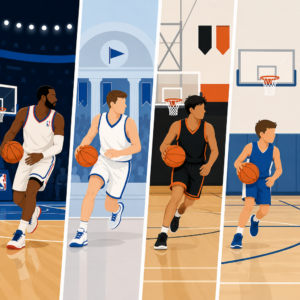
How Equipment Changes Across Rec Leagues, School Teams, and Travel Programs
The biggest reason this topic belongs under leagues and programs is that equipment planning changes with competition level. Recreational leagues are usually the lowest-cost entry point. Parents can often start with a basic indoor-outdoor ball, one pair of court shoes, and standard athletic clothing. Because rec players may practice only once weekly and play one game on weekends, durability needs are moderate. This is where families should test interest before investing heavily.
School teams are a middle ground. Some schools issue jerseys and shorts, while others require families to purchase spirit packs, shooting shirts, or travel sweats. Players may have more frequent practices, so odor control, extra socks, and at least two complete practice outfits become practical rather than optional. Schools also tend to communicate more clearly about color requirements, game-day dress codes, and away-game expectations.
Travel basketball and club programs create the most gear demands. Tournaments can involve three to five games across a weekend, often on varying court surfaces. Kids need dependable shoes, backup socks, quick-dry clothing, and snacks stored safely in a sturdy bag. If a team plays in multiple states, families may also need portable recovery basics such as a small foam roller, blister patches, and instant cold packs. None of that is glamorous, but it is the difference between being prepared and scrambling in a crowded convention center.
| Program type | Typical schedule | Essential equipment | Common extras | Budget range |
|---|---|---|---|---|
| Recreational league | 1 practice, 1 game weekly | Ball, shoes, clothes, socks, bottle | Simple bag, knee sleeves if preferred | Low |
| School team | 2 to 5 events weekly | Court shoes, multiple practice outfits, bottle, bag | Team warm-up, mouthguard if required, slides | Moderate |
| Travel or club program | Multiple practices plus tournaments | High-traction shoes, backup socks, bag, ball for training | Recovery items, extra uniforms, portable charger, snacks | High |
This comparison highlights a simple rule: buy for the schedule your child actually has, not the one you imagine six months from now. If the child progresses, upgrade later with better information.
Choosing the Right Basketball for Age, Surface, and Skill Development
Parents often ask whether one ball can do everything. Technically yes, but practically no. If your child mainly trains outdoors on asphalt, an indoor-only composite or leather ball will wear down quickly. If games are indoors, a cheap rubber ball may bounce inconsistently and feel slick compared with the league ball. The best approach for serious beginners is to match the primary practice surface. For rec players who use both driveway and gym space, a quality indoor-outdoor composite ball from Wilson, Spalding, or Baden usually offers the best balance of grip and durability.
Size is more important than material. Young players using a ball that is too large often push the ball from the chest, flatten the guide hand into the release, and develop poor arc. That is why age-scaled equipment works. The same principle applies to inflation. Underinflated balls deaden dribbles and distort touch; overinflated balls feel hard and unpredictable. Use the manufacturer’s pressure recommendation and check it every couple of weeks. A small hand pump and pressure gauge cost little and solve a frequent problem I see in youth practices.
If your child enters a skills clinic, ask what brand and model are used in drills. Consistency helps, especially for younger children building comfort with hand placement and rebound angles. This detail matters less than size and pressure, but when kids are new, familiar feel builds confidence faster than parents expect.
Shoes, Socks, and Injury Prevention Basics
Basketball places repeated stress on ankles, knees, and growing feet, so footwear deserves more attention than any other purchase. High-top versus low-top is not the main safety issue people think it is. Research and sports medicine guidance consistently point to fit, traction, and lower-body strength as bigger factors than collar height alone. Some kids feel more secure in mid or high collars, but a well-fitted low-top court shoe can still perform very well.
What should parents watch for? Outsole grip that bites on clean gym floors, lateral containment that prevents the foot from sliding over the edge of the midsole during cuts, and cushioning appropriate to the child’s size and play volume. Heavier or highly active players often benefit from more robust foam and a wider base. If a child has flat feet, heel pain, or repeated ankle rolling, consult a pediatrician, sports medicine clinician, or podiatrist before relying on off-the-shelf fixes. Generic braces and inserts can help in some cases, but they should match the actual issue.
Socks are underrated. Blisters, hot spots, and heel slippage often improve with thicker performance socks rather than different shoes. I suggest buying several identical pairs once you find one that works. Children are rough on gear, and consistency reduces distractions. For tournament players, packing extra socks is one of the cheapest comfort upgrades available.
What You Can Skip at the Beginning
Many families overspend on accessories before a child has learned basic habits. Arm sleeves, expensive recovery devices, custom bags, and premium warm-up suits are rarely necessary for first-time players. Shooting gloves and weighted training gadgets should also stay off the beginner list. They are not substitutes for coached repetition, and some can interfere with proper mechanics if used incorrectly. Even protective eyewear is situational unless prescribed or required for vision safety.
The same caution applies to home training purchases. You do not need a return system, rebounding net, agility ladder set, and app-connected sensor package for a child entering an introductory program. A properly sized ball, safe hoop access, and enough open space to dribble and practice footwork are sufficient. If your child stays committed through a season and starts asking to practice independently, then consider adding tools gradually based on actual use.
Skipping nonessentials is not about limiting enthusiasm; it is about reducing clutter and preserving budget for the items that genuinely affect experience. The kids who develop well are usually the ones with consistent access to the basics, not the fanciest equipment closet.
Budgeting, Sizing Up, and Buying Gear That Lasts
A practical youth basketball budget starts by separating needs from upgrades. Needs are the items required for safe participation now. Upgrades improve convenience or performance later. This distinction keeps first-season spending under control. For fast-growing kids, sizing strategy matters. Parents are often tempted to buy shoes a full size too large “to last longer,” but that shortcut can create slipping, blisters, and unstable cuts. Buy close to true fit, then monitor wear every few months. If budget is tight, save on apparel before compromising on shoes.
Look for value in previous-season models from reputable brands rather than the newest release. Last year’s team shoe often provides nearly identical performance at a significant discount. Outlet stores, team dealers, and end-of-season sales are useful, but only if returns are possible after an indoor try-on. For uniforms and spirit wear, verify whether the child may outgrow the item before postseason events. Some clubs change designs yearly, making oversized purchases poor value.
Durability also improves with habits. Air out shoes after use, wipe dust from outsoles, keep the basketball inflated, and wash uniforms promptly. Those simple routines extend gear life more than most families realize. When children learn to pack and maintain equipment themselves, they become more reliable teammates too.
Buying basketball equipment for kids before they start playing is easiest when you begin with the league or program, then match purchases to real needs. That is the central lesson across youth basketball. Recreational players usually need only the basics: the right ball size, supportive court shoes, breathable clothing, good socks, a water bottle, and a bag. School teams may add uniform rules and more practice gear. Travel programs require the highest level of organization, durability, and backup planning because the schedule is heavier and the environment is less forgiving.
Parents do not need to solve every future need on day one. They need to make a few accurate decisions now. First, confirm league standards for ball size, uniform requirements, and footwear rules. Second, invest most of the budget in fit and function, especially shoes and the correct basketball. Third, avoid accessory spending until the child has completed a season and shown real interest. That sequence keeps costs reasonable while giving kids what matters most: equipment that helps them move safely, learn proper habits, and feel prepared when they walk into the gym.
As this hub for leagues and programs, the page should guide your next steps beyond shopping. Use it as the starting point for comparing recreational leagues, school pathways, travel teams, camps, and clinics, because each setting changes both the equipment list and the family commitment. If you are preparing for a first season, get the handbook, measure your child’s shoe fit, choose the right ball, and keep the rest simple. That approach gives young players the best possible start.
Frequently Asked Questions
What basketball equipment does a child really need before their first practice?
Before a child starts playing basketball, the core equipment list is usually shorter than many parents expect. In most cases, the essentials are properly fitted athletic shoes with good traction, comfortable moisture-wicking clothing, a basketball in the correct size for the child’s age group, a refillable water bottle, and a small gym bag to keep everything organized. Those items cover the basics needed for safety, movement, and participation at most first practices.
It also helps to think beyond the obvious. Good basketball socks matter because they can reduce friction, improve comfort, and help prevent blisters during running and cutting. If the child wears glasses, sports goggles may be a smart upgrade for safer play. Some families also choose a simple mouthguard, especially for children who are active, physical, or have braces. While mouthguards are not always required in youth basketball, they can offer extra protection during contact.
Parents should avoid overbuying too early. Items like shooting sleeves, expensive backpacks, compression gear, and advanced accessories may look useful, but they are rarely necessary for a beginner. The first goal is to make sure the child can move comfortably, stay hydrated, and practice with equipment that fits. If they continue in the sport, you can always add more specialized items later based on their league requirements, skill level, and interest.
Another important step is checking with the coach, rec program, or league before shopping. Some organizations provide game jerseys, while others expect families to supply reversible practice jerseys, black shorts, or specific uniform colors. Knowing those expectations in advance can save money and prevent last-minute purchases. For most beginners, start with practical basics and focus on fit, comfort, and safety rather than brand names or elite-level gear.
How do I choose the right basketball and hoop size for a kid?
Choosing the right basketball size is one of the most important equipment decisions for a young player because it directly affects shooting form, ball handling, confidence, and overall skill development. A ball that is too large or too heavy can cause a child to push the ball from the chest, fling awkward shots, and develop habits that are hard to correct later. A ball that fits their hands and strength level allows them to learn proper mechanics much more naturally.
In general, younger children often start with a smaller youth basketball, commonly size 5, while older kids may move to size 6, and eventually to the full-size ball used at higher levels. Exact recommendations can vary by league, age division, and gender, so it is smart to confirm with the program where your child will play. If the league uses one ball size in games, that is usually the best size to practice with at home. Consistency matters because children build touch, control, and confidence through repetition.
Hoop height is just as important. Many parents make the mistake of having a young child practice only on a regulation 10-foot hoop before they are physically ready. That often leads to poor shooting habits, strained form, and frustration. Adjustable hoops are a great solution because they let children practice on a lower basket that matches their stage of development. As a child grows stronger and more coordinated, the hoop can gradually be raised. This supports better technique and makes practice more rewarding.
If you are buying for home use, prioritize adjustability, stability, and durability over flashy features. A portable hoop can work well for driveways, while an in-ground system may offer more stability for long-term use. Make sure the base is secure, the backboard can withstand regular play, and the setup gives enough space around the hoop for safe movement. The right ball and hoop combination helps kids enjoy early success, and that positive experience often plays a major role in whether they want to keep playing.
What should kids wear for basketball, and do they need special shoes?
Kids should wear clothing that allows them to run, jump, pivot, and sweat comfortably. A typical basketball outfit includes a lightweight T-shirt or jersey, athletic shorts, and socks designed for sports. Breathable fabrics are better than heavy cotton because they help manage sweat and reduce discomfort during drills and games. Clothes should fit well without being too loose or restrictive, since excess fabric can interfere with movement or become distracting on the court.
Basketball shoes are one of the most important purchases because they support footwork, traction, and overall comfort. While a child does not necessarily need the most expensive signature basketball shoe, they do need footwear that grips the floor well, fits securely, and provides enough support for quick changes of direction. Shoes that are too big can lead to slipping inside the shoe, while shoes that are too small can cause pain, blisters, and unnecessary foot stress. Proper fit matters far more than style.
Many children can begin in quality court shoes or multipurpose athletic shoes if they provide solid traction and support, but basketball-specific shoes often become more valuable as practice intensity increases. Indoor court traction is especially important because youth basketball includes stopping, cutting, shuffling, and jumping. If the outsole is slippery or worn down, performance and safety can suffer. For children playing multiple times a week, investing in a dependable pair of basketball shoes is usually worthwhile.
Parents should also pay attention to socks. Performance socks with some cushioning and a snug fit can improve comfort and reduce blisters. It is a small detail that makes a real difference, especially during longer practices or tournaments. Overall, the best approach is to choose gear that helps the child move naturally and confidently. Comfortable clothing and well-fitted shoes do more to support a young player than trendy accessories ever will.
Are protective items like knee pads, mouthguards, and braces necessary for youth basketball?
Most kids do not need a long list of protective gear to begin playing basketball, but some protective items can be helpful depending on the child’s age, health history, and playing environment. Basketball is not usually played with heavy pads, yet it does involve falls, collisions, sudden direction changes, and frequent use of ankles and knees. Because of that, parents should think in terms of reasonable protection rather than assuming either everything or nothing is needed.
Mouthguards are a good example. They are not required in every league, but they can be a smart choice, particularly for children with braces or for those who play aggressively around other kids. A mouthguard can help reduce the impact of accidental contact to the teeth and mouth. Similarly, sports goggles may be important for children who wear prescription glasses, since regular glasses are not ideal for active court play and can create safety concerns during contact.
Ankle braces, knee sleeves, and similar supports are more situation-specific. A child with a previous injury or a recommendation from a doctor, athletic trainer, or physical therapist may benefit from them. But for a healthy beginner, buying braces “just in case” is not always necessary. Poorly fitted supports can be uncomfortable, distracting, or create a false sense of security. It is better to focus first on proper shoes, warm-ups, conditioning, and movement skills, which are foundational to injury prevention.
If a child does seem injury-prone or has recurring pain, that is a sign to speak with a medical professional rather than simply adding more gear. Protective equipment should solve a clear need, not replace proper fit, strength, or supervision. In youth basketball, the smartest protection often comes from the basics: well-fitting shoes, safe playing surfaces, hydration, and coaches who teach good technique. Extra protective gear can be useful, but it should be chosen intentionally rather than automatically.
How does the child’s league or program affect what equipment parents should buy?
The league or program matters a great deal because equipment needs can vary based on where and how a child plays. A beginner in a casual recreation league may only need basic shoes, athletic clothes, and a correctly sized ball for at-home practice. A child joining a school team, club program, or travel team may need additional items such as specific uniform pieces, warm-up gear, more durable shoes, or a larger gym bag for frequent practices and weekend games. The environment often determines what is practical and what is essential.
Before buying anything beyond the basics, parents should ask the program a few simple questions: Does the league provide uniforms? What ball size is used in games? Are there color requirements for shorts or shirts? Will the child practice indoors, outdoors, or both? Are mouthguards or other items recommended or required? These answers can prevent wasted purchases and help families prioritize what the child actually needs. For example, outdoor play may wear down shoes and basketballs faster, while indoor leagues make traction and clean outsoles more important.
The level of competition also affects equipment quality. If a child is just testing the sport, there is no need to invest heavily at the start. But if they are joining a serious development program with multiple practices each week, higher-quality shoes, extra practice clothes, and a durable basketball may make sense because the gear will get more use. The same is true for home equipment. A child in a structured training environment may benefit more from having consistent access to an adjustable hoop and the same ball type used in team settings.
Most importantly, parents should match purchases to the child’s current stage, not to a future dream version of the sport. Equipment should support participation, comfort, and learning right now. As the child grows, improves, and