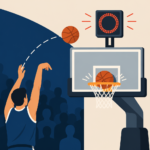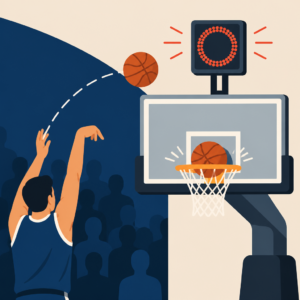

Few basketball moments create more confusion than a shot that leaves a player’s hand near zero, drops through the net, and sends one team celebrating while officials head to the monitor. The basic question sounds simple: does a shot count if it goes in after the buzzer? The rule for last-second shots is that the basket counts only if the shooter released the ball before the game clock or shot clock reached 0.0 and before the red LED light or horn signaled expiration. What matters is the release, not when the ball passes through the rim. In the NBA, that principle sits at the center of game rules involving timing, replay review, possession, fouls, and period endings.
This matters because end-of-quarter and end-of-game plays often decide outcomes, betting results, standings, and even playoff seeding. I have worked through plenty of these reviews from the rules side and the practical coaching side, and the same misunderstandings come up every season. Fans often think the horn itself decides the play, or that the ball must be out of the cylinder before time expires. Neither is correct. Officials judge visual evidence frame by frame to determine whether the player still had any contact with the ball when the clock hit zero. If contact remained, the shot is late. If the hand was clearly off the ball first, the basket counts, even if the ball drops in well after the buzzer sounds.
As a hub page for NBA game rules, this article explains the core timing rule, how the shot clock interacts with the game clock, what instant replay can and cannot decide, how fouls change the outcome, and why certain dramatic plays are waved off. It also covers related rule concepts that connect to other game rules topics, including out-of-bounds rulings, goaltending restrictions, continuation, and clock administration. Understanding last-second shots is one of the fastest ways to understand how NBA timing rules work as a whole, because this one question touches nearly every part of late-game officiating.
The core rule: release before the clock expires
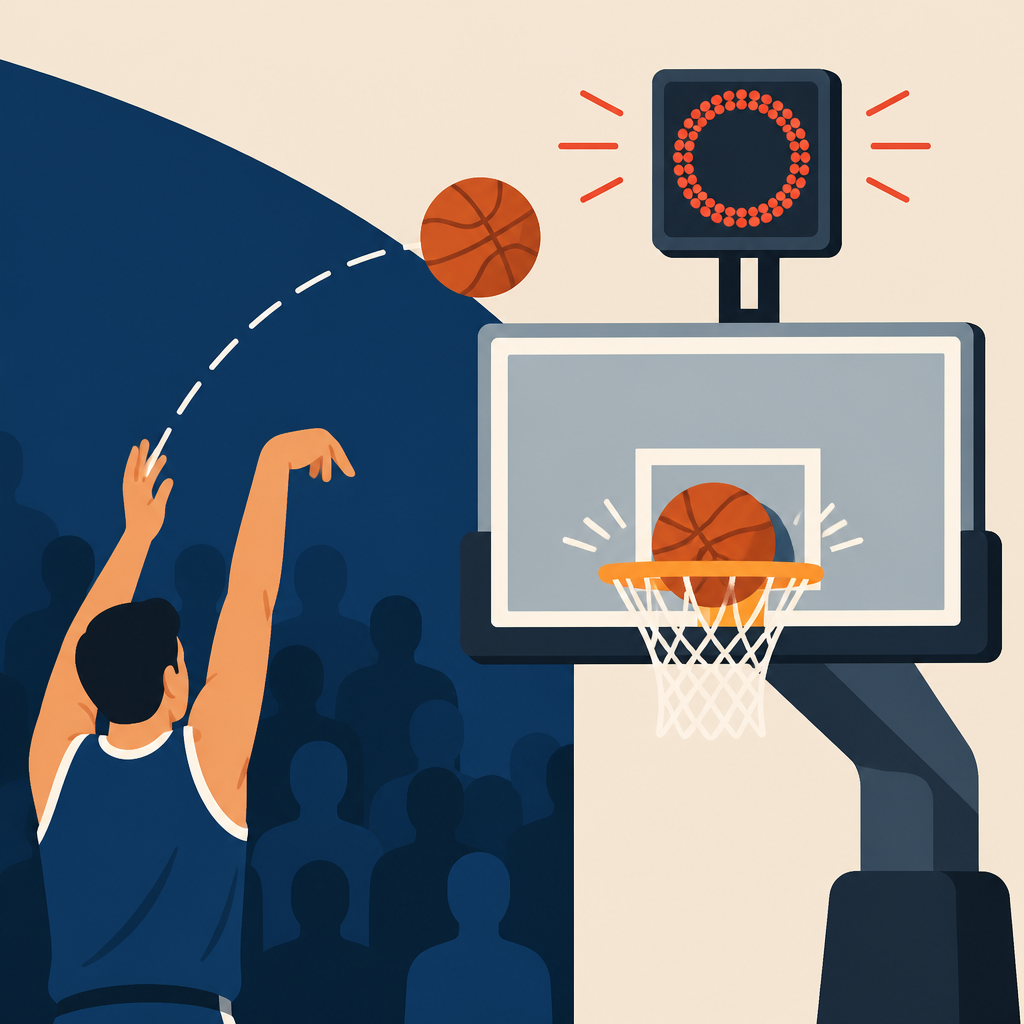
The NBA standard is straightforward: for a field goal to count at the end of a period, the ball must be released before time expires. Release means the shooter is no longer touching the ball. The ball may be in the air when the horn sounds, strike the backboard after the horn, bounce on the rim after the horn, and still count, provided the shooter released it in time. If any fingertip remains in contact with the ball when the clock reaches 0.0, the attempt does not count. Officials are trained to watch hand-ball separation first and the clock second.
This is why television replays focus so tightly on the shooter’s fingertips. A made shot after the buzzer is not automatically late; it is often perfectly legal. A common example is a catch-and-shoot three where the pass arrives with 0.6 seconds left. The player gathers and releases at 0.2, the horn sounds, and the ball falls through. That basket counts because the legal act was completed before expiration. By contrast, if a player is still palming the ball as the clock hits zero, no part of the subsequent flight matters. The play is dead once time expires without a timely release.
What officials actually use: clock, horn, red light, and replay
In NBA arenas, the backboard is equipped with red LED lights that illuminate when the game clock or shot clock expires. The horn and the visible clock are also part of the timing system. In close calls, officials do not rely on crowd reaction or a broad television angle. They use instant replay to synchronize hand-ball separation with the game clock display and, where available, the backboard light. The review standard is practical rather than speculative: is there clear visual evidence that the ball was released before time expired?
That standard matters because arena clocks are not always perceptible to the naked eye in real time. Broadcast feeds can also be misleading if the superimposed clock is slightly delayed relative to the live arena system. Experienced officials prefer the official timing feed and the clearest synchronized replay angles. If the replay shows the ball off the hand before the red light comes on, the basket counts. If the red light is on while the shooter still has contact, it does not. This review process is one of the most visible examples of game rules in action because it combines technology, officiating judgment, and procedural consistency.
Game clock versus shot clock: which buzzer matters?
Many last-second questions involve two separate timers. The game clock controls the end of the quarter or game. The shot clock controls how long the offense has to attempt a legal field goal. A shot can be legal under one clock and illegal under the other. For example, with 4.2 seconds left in the quarter and 1.1 seconds on the shot clock, a team may release after the shot clock expires but before the quarter ends. If that happens, the basket is waved off for a shot clock violation even though the period had not ended.
By contrast, on a heave with 0.8 seconds left in the quarter and 5 seconds on the shot clock, the only relevant ending signal is the game clock. If the player releases before the game clock expires, the basket counts. Understanding that separation helps explain why officials sometimes review the same play for multiple issues: whether the ball left the hand before the shot clock, whether it left the hand before the game clock, and whether the player committed any other violation during the sequence. Timing reviews are rarely just about one number on the scoreboard.
| Situation | What officials check | Result if release is late |
|---|---|---|
| End of quarter or game | Game clock, horn, red light, hand-ball separation | Basket does not count |
| Shot clock about to expire | Shot clock light, game clock, release timing | Shot clock violation, basket waved off |
| Tip-in near horn | Whether player touched ball before expiration | No score if touch came after time expired |
| Catch-and-shoot with 0.3 or less | Whether play was a legal tap or tip only | Full shooting motion is too slow under NBA rules |
The special rule for 0.3 seconds and under
One of the most important NBA game rules for last-second shots is the Trent Tucker Rule. When the game clock shows 0.3 seconds or less, a player cannot catch the ball and complete a normal shooting motion in time. The only legal ways to score on such a play are a tip-in or a direct alley-oop style tap. This rule exists because timing studies and common sense both show that a controlled catch, gather, and release takes longer than three-tenths of a second. If a player appears to catch and shoot with 0.2 on the clock, the basket will be waved off even if video seems to show a fast release.
This rule changes late-game strategy. Coaches know that with 0.3 left, they design lob or tip actions, not standard jump shots. With 0.4 seconds, however, a very quick catch-and-shoot is possible. That single tenth of a second creates a meaningful legal difference. Fans sometimes see a player slap the ball toward the rim at 0.2 and assume it was lucky improvisation. In fact, teams practice these actions because the rule sharply limits the type of shot allowed. It is one of the clearest examples of the NBA translating biomechanics into an administrable game rule.
What happens if there is a foul on the play?
Fouls complicate last-second shots, but the timing rule still starts with release. If a shooter releases the ball before the buzzer and is fouled during the act of shooting, a made basket counts and any awarded free throw is attempted with no time on the clock. If the shot misses, free throws can still be awarded if the foul occurred before time expired. The period ending does not erase a foul that happened while time remained. This is why officials sometimes review both timing and contact on the same possession.
The harder cases involve continuation. Suppose a player drives with 0.5 seconds left, takes legal steps, begins the upward motion before the horn, and is hit as the clock expires. Officials must determine when the foul occurred and whether the player’s subsequent try qualifies as part of the shooting motion. If the ball was released in time, the basket can count. If the release came after time expired but the foul occurred before expiration during the act of shooting, the player may still receive free throws even though the field goal is waved off. Late-game rulings often look dramatic because multiple rules are being applied at once.
Tip-ins, dunks, and touches above the rim
Not every last-second score is a jumper. On rebounds and inbounds plays, tip-ins and dunks raise separate issues. The key on a tip-in is whether the player touched the ball before time expired. If the original shot was in the air before the buzzer and a teammate taps it after the clock hits zero, that touch is too late unless the ball still legally remained live under the clock. At the end of a period, once time expires, no new touch by an offensive player can create a valid score unless the ball was already released by that player in a timely legal try.
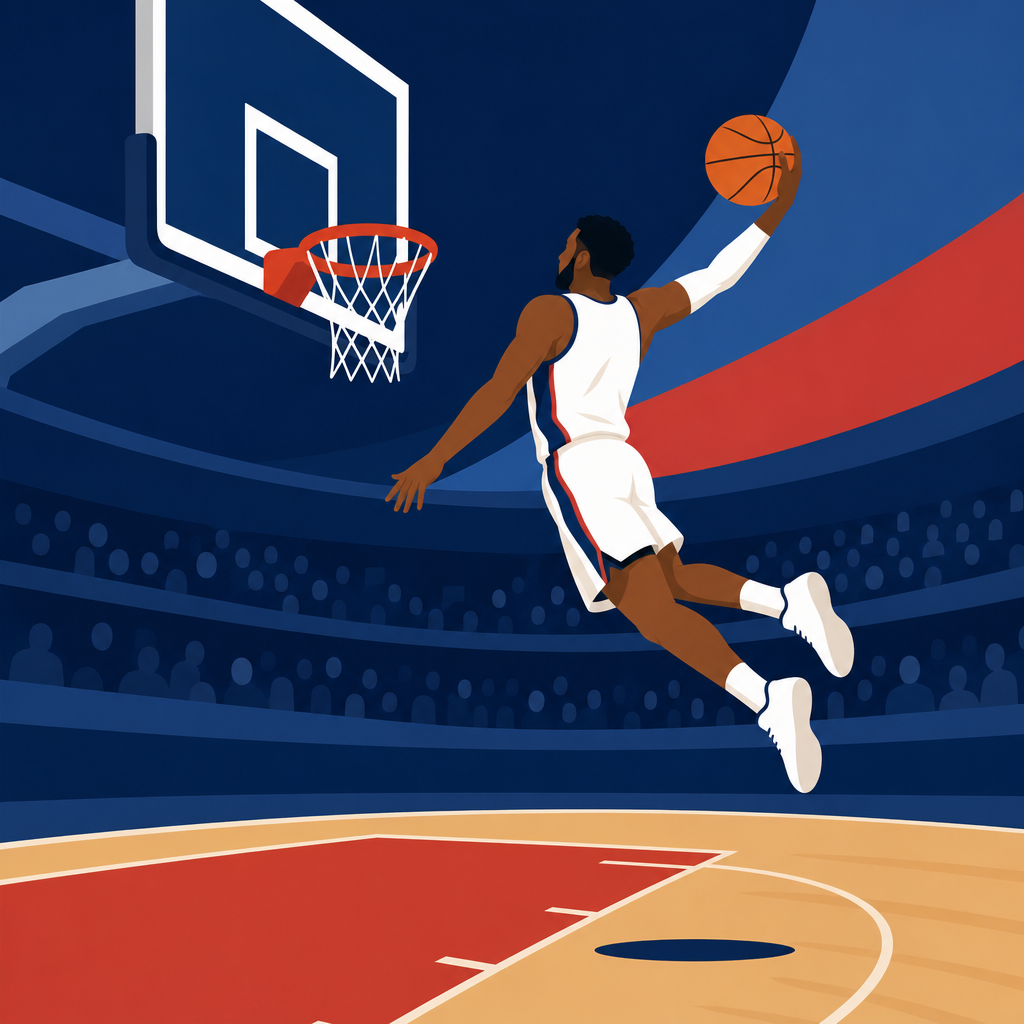
Dunks near zero require even closer attention. A player cannot still be touching the ball while the game clock has expired. So on a lob with 0.2 seconds left, the scorer must redirect the ball immediately. If the player catches, controls, and powers it through after the horn, it will be waved off. Officials also watch for basket interference and goaltending. If the ball is on the rim, within the cylinder, or contacted illegally above the cylinder, the normal restrictions still apply. The end of the period does not suspend these rules; it compresses them into a tighter review window.
Why some obvious makes still get waived off
The most frustrating plays for fans are the ones that look good until replay overturns them. Usually the reason is simple: the human eye processes the made basket, not the release. In real time, a smooth jumper with the horn sounding as the ball reaches its apex feels timely. Slow motion often shows a fingertip lingering on the side of the ball at 0.0. Another common reason is the 0.3-second restriction. A player appears to beat the clock, but the type of shot attempted was not legally possible with that amount of time remaining.
There are also administrative reasons a basket may not count. The clock might need correction if it started late or stopped slowly. The ball might have been out of bounds before the shot. The offense may have committed an offensive foul, lane violation, or shot clock violation earlier in the sequence. In elite leagues, these are not technicalities; they are the framework that keeps results consistent. If you want to understand NBA game rules broadly, treat every waved-off buzzer beater as a case study in sequence: live ball status, clock status, release timing, legal contact, and scoring validity.
How teams, broadcasters, and fans should interpret these plays
The best way to read a last-second shot is to ask three questions in order. First, which clock matters here: game clock, shot clock, or both? Second, was the ball clearly out of the shooter’s hand before expiration? Third, was the shot type legal and free of another violation? That sequence cuts through most confusion immediately. Broadcasters who explain plays this way usually help viewers more than those who focus only on whether the horn sounded before the ball went in. Sound is dramatic, but release timing decides the ruling.
Teams prepare for these margins constantly. Players drill catch-and-fire actions at 0.5, 0.7, and 1.0 seconds. Coaches script sideline-out-of-bounds plays differently at 0.2 than at 0.8 because the legal options change. Replay centers and officiating crews review these situations with consistent mechanics because one frame can determine a win. For fans following the broader NBA rules landscape, last-second shots connect directly to clock operations, replay standards, out-of-bounds administration, foul adjudication, and scoring rules. Learn this one area well, and many other game rules become easier to understand in context.
So, does a shot count if it goes in after the buzzer? Yes, if the shooter released the ball before the game clock or shot clock expired and the play was otherwise legal. No, if the player still had contact with the ball at 0.0, violated the special 0.3-second restriction, or committed another violation that nullified the score. That is the rule for last-second shots, and it is more precise than most fans realize. The basket is judged at the moment of release, not when it reaches the rim, the net, or the scorer’s table.
As the hub for NBA game rules, this topic shows how timing sits at the center of the sport’s rulebook. End-of-period scoring depends on clock administration, replay evidence, legal touching, shot-clock compliance, foul analysis, and the special treatment of ultra-short timing situations. When you understand those layers, buzzer-beater rulings stop looking arbitrary and start looking methodical. The NBA has built a detailed system for resolving these plays consistently, and officials apply it every night under pressure.
The practical takeaway is simple: watch the hand, then the clock, then the type of play. That three-step approach will explain most reviews before the referee announces the decision. If you are building your understanding of NBA rules, use this page as your starting point for the full game rules category and then continue into related topics like shot clock violations, goaltending, out-of-bounds plays, replay review, and foul continuation. Master the last-second shot rule, and the rest of late-game officiating becomes much easier to read.
Frequently Asked Questions
Does a shot count if it goes in after the buzzer sounds?
Yes, it can count, but only if the ball was released before time expired. In basketball, the key issue is not whether the ball passes through the hoop before or after the horn, but whether the shooter let go of the ball before the game clock or shot clock hit 0.0. If the release happened in time, the shot remains legal even if the buzzer sounds while the ball is in the air and the ball drops through the net a moment later. That is why fans often see players celebrating while referees immediately signal for a review. Officials are not judging how dramatic the shot looked; they are checking the exact timing of the release.
The same principle applies at the end of a quarter, half, or game, and also on shot-clock situations. The basket counts if the shot left the shooter’s hand before the red LED around the backboard lit up or before the horn signaled expiration. If any part of the shooter’s hand is still in contact with the ball after time has expired, the attempt is late and the basket does not count. So when people ask whether a shot counts if it goes in after the buzzer, the accurate answer is: it counts only if it was already airborne before the clock reached zero.
What exactly do referees look for on a last-second shot review?
Officials focus primarily on the release. On review, they study whether the ball was fully out of the shooter’s hand before the game clock or shot clock expired. That sounds straightforward, but in real time it is one of the hardest calls to make because the difference can be just a fraction of a second. Referees use multiple camera angles to compare the shooter’s hand, the ball, the game clock, and any visual timing aids such as the red LED light on the backboard. Their goal is to find the precise frame where the ball no longer has contact with the player’s fingertips.
They also look at which clock matters in the situation. At the end of a period, the game clock controls whether the basket can count. During a possession near the end of the shot clock, officials may instead be checking whether the ball was released before the shot clock expired. In some plays, both issues matter. If a player beats the shot clock but not the game clock, or vice versa, the ruling can change. That is why the review may take longer than fans expect. Referees are not just watching to see if the shot “looked good.” They are applying a very specific rule: release before expiration, not simply contact with the rim or the ball going in after the horn.
Does the ball have to be out of the player’s fingertips before 0.0, or is starting the shooting motion enough?
Starting the shooting motion is not enough. The ball must be fully released before time expires. This is one of the most common misunderstandings on end-of-game plays. A player can gather, rise, and clearly begin a shot before the buzzer, but if the ball is still touching the hand when the clock reaches 0.0, the attempt is too late. In other words, the rule is about release, not intent and not motion. Basketball rules do not award the basket because the player “got the shot off” in a loose conversational sense. They award it only if replay shows the ball actually left the hand in time.
This distinction matters because many close calls happen on tip-ins, quick catch-and-shoot attempts, and put-backs around the rim. Fans may feel a player beat the buzzer because the upward motion started early, but replay often shows a fingertip still on the ball as the light comes on. In that case, the basket is waved off. Conversely, if the ball clearly leaves the hand with 0.1 or even a split instant remaining, it is legal even if the horn sounds immediately afterward. That is the core rule for last-second shots and the reason replay technology is so important in these situations.
What is the red light on the backboard, and how does it affect whether the shot counts?
The red LED light around the backboard is a visual signal tied to the expiration of the game clock or shot clock, depending on the situation. When time runs out, the light illuminates and works alongside the horn to show that play has ended or that the shot-clock period has expired. Officials use that light as an important tool during reviews because it gives them a visual reference point that can be matched with the shooter’s release. In many close plays, the light helps confirm whether the ball was still touching the shooter’s hand at the moment time expired.
That said, the light is not a separate scoring rule by itself. It is evidence used to determine timing. The actual legal standard remains the same: the ball must be released before expiration. If replay shows the ball off the hand before the red light comes on, the basket should count. If the hand is still in contact with the ball when the light appears, the basket should be disallowed. The same goes for the horn. Because arena systems and broadcast angles can create confusion for viewers, referees rely on synchronized review equipment whenever possible. The important takeaway is that the red LED is there to help determine the exact moment time expires, and that moment is compared directly to the shooter’s release.
Is the rule different for game-winning shots, shot-clock buzzer-beaters, and tip-ins at the rim?
The underlying rule is the same in all of those situations: release before the clock expires. What changes is which clock is being used and what type of play officials are evaluating. On a game-winning attempt at the end of regulation or overtime, the game clock determines whether the shot counts. On a late-possession attempt, the shot clock may be the clock that matters most. On a rebound tip-in, officials are still asking the same basic question, but the mechanics are slightly different because they may be checking whether the player directed or controlled the ball legally before time ran out.
Tip-ins and dunks are where confusion increases. A player can legally tap the ball into the basket if that touch occurs before time expires. But a player cannot still be holding the ball and then force it through after the clock hits zero. So a clean tip released in time can count, while a grab-and-finish after expiration cannot. For ordinary jump shots, the standard is more familiar: full release before 0.0. No matter how dramatic the moment is, officials apply the same core principle across these plays. The basket counts if the player completed the release in time; if not, the score comes off the board, even if the ball splashes through the net and the crowd erupts.