
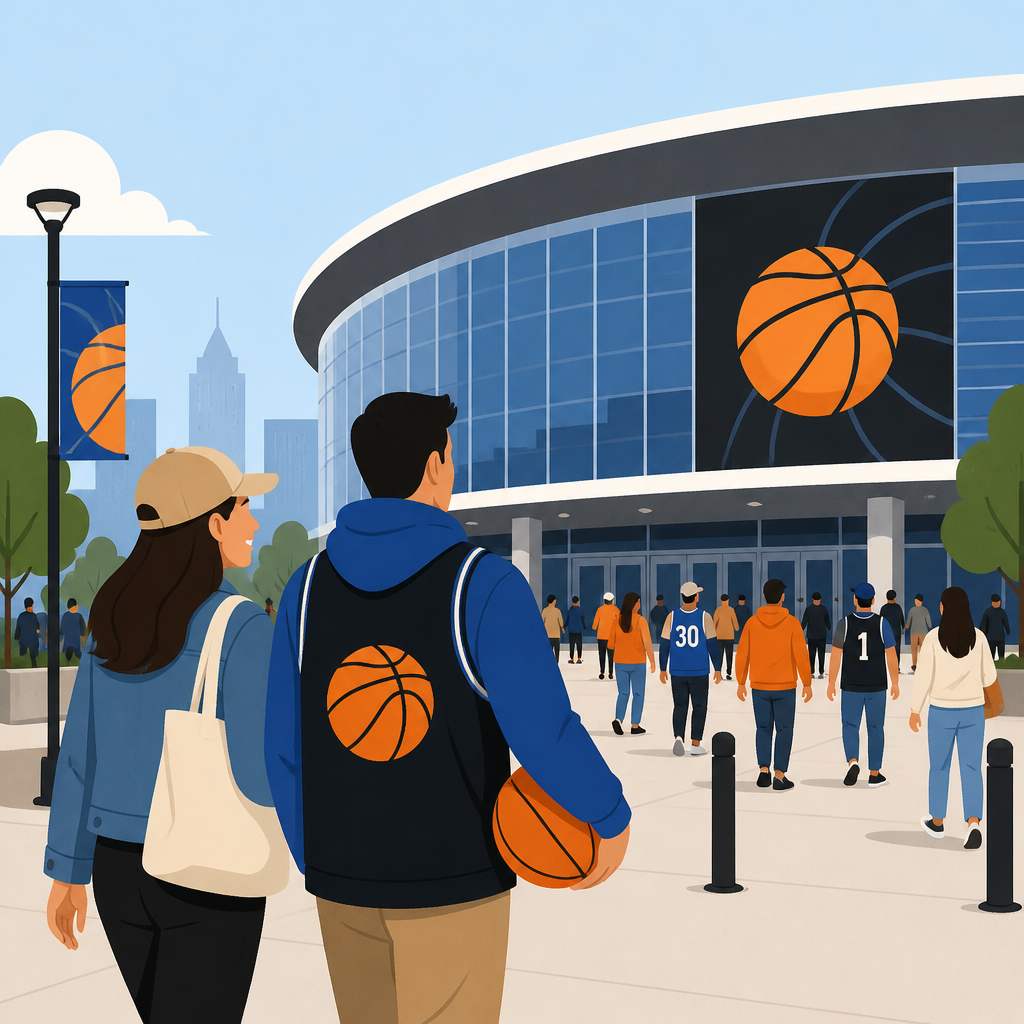
Going to your first NBA game is part live entertainment, part sports education, and part logistics exercise, and knowing what to expect makes the night smoother, cheaper, and more fun. Following the NBA means more than learning team names or star players. It includes understanding how arenas work, how ticket prices move, what fans typically wear, when to arrive, how to read the game flow, and how to budget for parking, food, and merchandise. For a first-time attendee, those details matter because the difference between a stressful outing and a memorable one usually comes down to preparation.
An NBA game is a regular-season or playoff basketball event played in a professional arena, usually lasting about two and a half hours from scheduled tip-off to final buzzer, though your full outing often takes four to five hours with travel and security lines. The fan experience includes pregame warmups, in-game entertainment, timeouts, halftime performances, and crowd rituals that vary by team. I have helped first-time fans plan game nights in markets from New York and Chicago to Phoenix and Dallas, and the same questions always come up: where should you sit, what should you wear, how early should you arrive, and how much money should you realistically bring?
This Fan Guide hub answers those core questions while giving you a working framework for following the NBA more confidently. If you are also exploring team schedules, rivalries, standings, player stats, and streaming options, this page connects the arena experience to the bigger picture of being an informed fan. The goal is simple: help you enjoy your first NBA game without wasting money, missing key moments, or feeling out of place.
What to Expect at Your First NBA Game
The first thing to expect is sensory overload in a good way. NBA arenas are bright, loud, tightly choreographed entertainment spaces built to keep the crowd engaged even when the ball is not in play. Music runs constantly, announcers frame every possession, and video boards deliver replays, prompts, and sponsor activations. If you have only watched basketball on television, the speed will surprise you. Players are bigger, faster, and more physical in person, and routine actions such as boxing out or fighting through screens look far more demanding courtside than they do on a broadcast.
Arrive at least forty-five minutes early, and an hour early if you want to watch warmups. Early entry gives you time for parking, security screening, ticket scanning, and finding your section without rushing. Warmups are worth seeing because they reveal player routines, shooting mechanics, and who is active that night. Teams usually post injury reports in line with league availability rules, but many first-time fans do not realize that stars can be limited, rest, or return from injury on short notice. Checking the official team app and NBA injury report before leaving home prevents surprises.
Once the game starts, expect breaks in action. NBA games have four twelve-minute quarters, plus timeouts, reviews, halftime, and occasional delays. That structure makes an arena night different from sports with more continuous play. Use the pauses strategically. If you want concessions or restrooms, go during mid-quarter stoppages instead of halftime, when lines spike. In most arenas, mobile ordering through the venue app can save time. Bag policies are usually strict, and many teams now enforce small-clutch-only rules, so review arena rules before you travel.
You should also expect layers of fan culture. Some crowds are intense and tactical, reacting to defensive rotations and coaching adjustments. Others are more social and family-oriented. Neither is wrong. Big-market rivalry games often feel louder and more theatrical, while weekday games against lower-profile opponents can be easier on your budget and more relaxed for first-timers. If you are bringing children, verify whether the arena offers family entrances, sensory rooms, or nursing areas. Many modern NBA venues do.
How to Follow the NBA Before and After the Game
If this is your first live game, following the NBA becomes easier when you understand the basic information ecosystem around the league. Start with the schedule, standings, and injury report. The schedule tells you whether you are attending a back-to-back, travel-heavy stretch, rivalry game, or nationally televised matchup, all of which can affect intensity and ticket pricing. The standings matter because late-season games involving playoff seeding are often sharper and more urgent than games where one team is already eliminated. The injury report matters because player availability changes both the entertainment value and competitive balance.
The best new-fan habit is tracking a small set of indicators rather than drowning in statistics. Look at points per game, pace, offensive rating, defensive rating, rebounds, and three-point attempts. Those six metrics tell you what style of game you are likely to see. For example, if one team ranks high in pace and three-point volume, expect more possessions and long-range shooting. If another ranks highly in defensive rating and opponent field-goal percentage at the rim, expect more contested finishes and slower half-court possessions. Sites such as NBA.com/stats, Basketball Reference, and ESPN make these numbers easy to compare.
Following players also improves your arena experience. Learn the top three creators, the main rim protector, and the primary bench scorer for each team before you go. That way, you can recognize who initiates offense, who anchors the defense, and who changes momentum. I usually tell first-time fans to watch what happens away from the ball for two or three possessions each quarter. Notice who sets screens, who tags rollers, and who cuts from the weak side. It makes the sport more intelligible instantly, and you begin to understand why certain role players are so valuable even when they score little.
What to Wear to an NBA Game
The short answer is wear comfortable, arena-appropriate clothing with one extra layer. NBA games do not have a formal dress code for fans in standard seating, so jeans, sneakers, team apparel, and casual jackets are all normal. The best outfit depends on your plans before and after the game, your seat location, and the season. Most first-time attendees do well with comfortable pants, closed-toe shoes, and either a team T-shirt, hoodie, or jersey. Arenas can feel cool because of indoor climate control, especially if you are sitting still for long stretches, so bringing a light layer is practical.
If you want to fit in, team colors are the safest choice. A home jersey, team sweatshirt, or cap works almost everywhere. If you do not own team gear, neutral casual clothing is perfectly fine. Avoid bulky bags because security screening is easier when you carry less. Also avoid shoes that hurt after prolonged standing. You may walk farther than expected from parking lots, rideshare zones, transit stops, or multi-level concourses. I have seen many first-timers plan for the game itself but underestimate the amount of walking involved.
Seat location changes how you should dress. Lower-bowl or club-level fans sometimes dress slightly sharper, especially for corporate outings or premium seating, but there is still no need for formalwear. Upper-bowl sections tend to be more relaxed and team-gear heavy. If you are attending a playoff game, expect more coordinated fan colors, louder crowds, and more people wearing jerseys. If you plan to buy merchandise at the arena, you can also arrive in basics and pick up a hat or shirt once inside, though prices are typically higher than online or at team stores away from the venue.
What an NBA Game Costs
The total cost of an NBA game varies widely by market, opponent, day of week, and seat location. In practice, most first-time fans underestimate the full spend because they focus only on the ticket. A realistic budget should include ticket price, service fees, parking or transit, concessions, and optional merchandise.
| Expense | Typical Range | What Changes the Price |
|---|---|---|
| Upper-level ticket | $25 to $90 | Team popularity, opponent, day, resale demand |
| Lower-level ticket | $120 to $450+ | Star players, rivalry games, playoffs, proximity to court |
| Parking | $15 to $60 | Downtown location, lot distance, event demand |
| Public transit | $4 to $20 | City system, round-trip distance, surge periods |
| Food and drink per person | $20 to $45 | Arena pricing, alcohol, premium vendors |
| Jersey or team apparel | $35 to $150+ | Official licensing, player, style, arena markup |
Regular-season weekday games against non-rivals are usually the best value. Saturday nights, holiday games, rivalry matchups, and contests featuring major stars often carry the highest resale premiums. Teams use variable pricing, and resale platforms react to injuries, winning streaks, and even weather. If a marquee player is ruled out, prices can drop quickly. If a game has playoff implications late in the season, prices often rise. For many buyers, the sweet spot is purchasing after schedules are released but before demand spikes around major storylines, then rechecking resale markets during the final forty-eight hours.
Concessions are where budgets slip. A basic meal with a soft drink can easily push past twenty dollars in major arenas, and alcohol increases totals fast. Some teams now offer value menus, refill programs, or designated stands with lower-priced staples, so check the venue website. Parking can also be avoided by prebooking nearby garages or using transit if your arena is well connected. In cities such as Boston, Philadelphia, and Washington, public transportation can be both cheaper and less stressful than driving. In more car-dependent markets, prepaying for parking usually shortens entry and exit friction.
How to Buy Tickets and Choose the Right Seats
The best seat for a first NBA game is not always the closest one you can afford. For many newcomers, the ideal balance is a lower upper-bowl or upper lower-bowl sideline seat. Those sections give you a full-court view, let you see spacing and plays develop, and usually cost less than corner or baseline lower-bowl seats with obstructed angles. Courtside is unforgettable if your budget allows it, but it is not necessary to understand or enjoy the sport. In fact, first-time fans sometimes appreciate a slightly elevated angle more because the geometry of the game becomes easier to read.
Use primary sellers, official team sites, or reputable resale platforms with clear transfer policies. Digital ticketing is standard, and screenshots often fail because many venues use rotating barcodes. Add tickets to your mobile wallet before leaving home in case cellular service is congested near the arena. Check whether your section includes club access, separate entrances, or in-seat service. Those amenities can justify a moderate price increase if convenience matters to your group.
When comparing seat options, think in terms of experience goals. If your priority is atmosphere, look for sections near active fan groups. If your priority is taking in the tactics, choose sideline views. If you are bringing children, avoid rows that require frequent squeeze-throughs for bathroom trips. If you are sensitive to stairs, confirm elevator access. Following the NBA in person gets much easier when the physical setup supports the kind of experience you actually want.
Game Day Tips That Make the Night Better
Plan your route, check arena policies, charge your phone, and eat lightly before arrival if you do not want to overpay immediately. Small decisions reduce stress. Know the nearest entrance to your section. Save your parking pass and tickets in one place. Bring a debit or credit card because most arenas are cashless. If you want merchandise, compare the main team store with smaller kiosks because stock and sizing vary.
During the game, spend at least part of your time watching the crowd as well as the court. Arena traditions teach you how a fan base expresses itself, whether through defense chants, coordinated T-shirt themes, mascot routines, or post-win songs. That atmosphere is a real part of following the NBA because every franchise has a distinct identity shaped by history, stars, and local culture. Stay through the final buzzer if you can. Close finishes are obvious highlights, but even routine endings can reveal coaching decisions, player interactions, and fan rituals worth seeing.
After the game, expect slow exits. If you parked nearby, waiting ten to fifteen minutes before heading to the garage can save time. If you used rideshare, walk to a designated pickup zone away from the main crowd when permitted. Then, once you are home, review the box score and highlights. That habit connects the live experience to the broader rhythm of following the NBA, and it helps you remember what you actually saw beyond the noise of the event.
Your first NBA game should feel exciting, not confusing. If you know what to expect, wear comfortable layers, choose seats with a clear view, and build a realistic budget, the night becomes much easier to enjoy. The biggest lesson is that following the NBA is both a media habit and an in-person experience. Schedules, standings, player roles, and injury reports help you understand what is happening before tip-off, while arena logistics, crowd behavior, and seat choice shape how the game feels once you arrive.
For most first-time fans, the best strategy is simple: pick a regular-season game with manageable ticket demand, arrive early for warmups, use official venue information, and keep your spending plan honest. You do not need premium seats or expensive gear to have a great night. You need a little context, a comfortable outfit, and enough preparation to focus on the basketball instead of the friction around it.
Use this Fan Guide hub as your starting point for following the NBA more confidently, then build from here with deeper team, schedule, and ticket-planning research. Choose your game, check the matchup details, and enjoy your first trip to the arena with a plan that works.
Frequently Asked Questions
What should I expect when attending my first NBA game in person?
Your first NBA game will usually feel faster, louder, and more event-driven than watching on TV. The arena experience starts well before tip-off, with security screening, ticket scanning, music, sponsor activations, merchandise stands, and lines forming at food counters. Once you get to your seat, expect a high-energy presentation that includes player introductions, arena hosts, scoreboard videos, crowd prompts, and entertainment during nearly every break in play. NBA games are designed as full live events, not just sporting contests, so there is constant movement and stimulation even when the ball is not in action.
On the court, the speed of the game is often what surprises first-time fans most. Players are bigger, quicker, and more physical in person than they appear on a screen, and momentum can shift rapidly through scoring runs, timeouts, substitutions, and defensive adjustments. If you are still learning basketball, do not worry about understanding every set or strategy right away. You can still enjoy the experience by following a few basics: watch who brings the ball up, notice how teams react after missed shots, and pay attention to timeouts late in close games. The atmosphere also changes depending on the matchup, the day of the week, and how competitive the game is, so some nights feel like playoff previews while others are more relaxed and family-oriented.
What should I wear to an NBA game?
For most fans, the best outfit for an NBA game is casual, comfortable, and venue-appropriate. There is no formal dress code for regular attendees, so jeans, joggers, leggings, hoodies, team T-shirts, sneakers, and light jackets are all common choices. If you already support a team, wearing a jersey, hat, sweatshirt, or shirt in team colors is a simple way to fit in and add to the experience. Many first-time attendees worry about looking out of place, but NBA arenas are usually very flexible environments where you will see everything from full fan gear to smart-casual outfits, especially in premium seating areas or courtside sections.
The more practical concern is arena temperature and walking comfort. Even if it is cold outside, arenas can feel warm once the crowd fills in, so layers are usually the safest option. If you are parking far away, taking public transit, or standing in entry lines, comfortable shoes matter more than style. It is also smart to check the arena’s bag policy in advance, since many venues restrict bag size or prohibit certain types entirely. If you plan to buy merchandise at the game, you may even want to dress simply and leave room in your budget for a team hoodie or cap instead of overplanning your look beforehand.
How much does it cost to go to an NBA game, and what should I budget for?
The total cost of attending an NBA game depends on much more than the ticket price. Your main expenses usually include the ticket itself, parking or transportation, food and drinks, and optional merchandise. Upper-level tickets for less in-demand games can be relatively affordable, while lower-bowl seats, rivalry games, weekend matchups, and games featuring star players can become expensive quickly. Prices also move based on demand, opponent strength, day of the week, and how close it is to tip-off, especially on resale platforms. On top of that, service fees can add a noticeable amount, so always look at the final checkout total rather than the advertised base price.
A realistic budget for a first game should account for the full night, not just admission. Parking can vary widely depending on the arena and nearby lots, while rideshare and public transit costs depend on timing and distance. Food and drinks inside NBA arenas are typically priced at a premium, and even a simple meal can cost more than many first-time visitors expect. Merchandise is optional, but jerseys, hats, and branded apparel can significantly increase your spend if you buy impulsively. A good strategy is to decide in advance what matters most to you. If seeing the game in person is the priority, you might save money with upper-level seats and skip merchandise. If this is a special one-time outing, you may choose to spend more on better views and plan your food budget accordingly.
How early should I arrive, and what happens before tip-off?
Arriving 45 to 60 minutes before tip-off is a smart target for most first-time attendees. That window gives you enough time to handle parking, security, ticket entry, finding your section, and getting settled without feeling rushed. If you want to watch warmups, browse the team store, take photos, or buy food before lines get longer, arriving on the earlier side is worth it. Warmups can be one of the most underrated parts of the experience because you get a close look at players’ routines, shooting rhythms, and the size and speed of the athletes before the arena fully fills up.
Before tip-off, the arena atmosphere gradually builds. Music gets louder, crowd noise grows, video boards run features and promotions, and the pregame presentation creates anticipation. In some arenas, there may be fan contests, mascot appearances, or special intros that are genuinely entertaining, especially for first-time visitors or families. Arriving too close to game time increases the chance that you will be stuck in traffic, long concession lines, or the aisle while the game is already starting. If you want a smoother experience, treat arrival time as part of the event, not just a logistical step. It makes the night less stressful and gives you time to get oriented before the action begins.
How can I follow the game better if I am new to basketball?
If you are new to basketball, the easiest way to enjoy an NBA game is to focus on a few core parts of the action instead of trying to understand every detail at once. Start by watching possession changes, shot selection, and how teams respond after scores or turnovers. Notice who controls the ball most often, who takes late-clock shots, and which players are assigned to defend the other team’s stars. Even without deep basketball knowledge, you can quickly pick up the flow by tracking runs, hustle plays, fast breaks, and three-point shooting. The scoreboard, replay screens, and in-arena commentary also help by showing fouls, timeouts, player stats, and key moments.
It also helps to understand that NBA games have natural rhythms. Teams substitute frequently, coaches use timeouts strategically, and momentum can swing in a matter of minutes. A ten-point lead is not necessarily safe, and one hot shooting stretch can change the whole feel of the night. If you want to get more out of the game, glance at the basic box score categories shown in the arena, especially points, rebounds, assists, fouls, and shooting percentages. You do not need expert-level analysis to have a great time. In fact, many first-time fans enjoy the event most when they let themselves absorb the atmosphere, react to big plays, and learn the game gradually through what they see live.