
Famous NBA celebrity fans do more than fill expensive seats. They shape team identity, amplify rivalries, influence fashion, drive broadcast narratives, and help define the larger world of player culture. In the NBA, courtside culture refers to the visible ecosystem around the game: celebrities in premier seats, tunnel fits before tipoff, postgame interactions, social media reactions, and the way stars in music, film, fashion, and sports attach themselves to teams and players. As someone who has covered basketball culture across arenas, media rooms, and digital fan communities, I have seen that celebrity fandom is not a side story. It is part of how the league sells itself and how audiences interpret status, loyalty, and relevance.
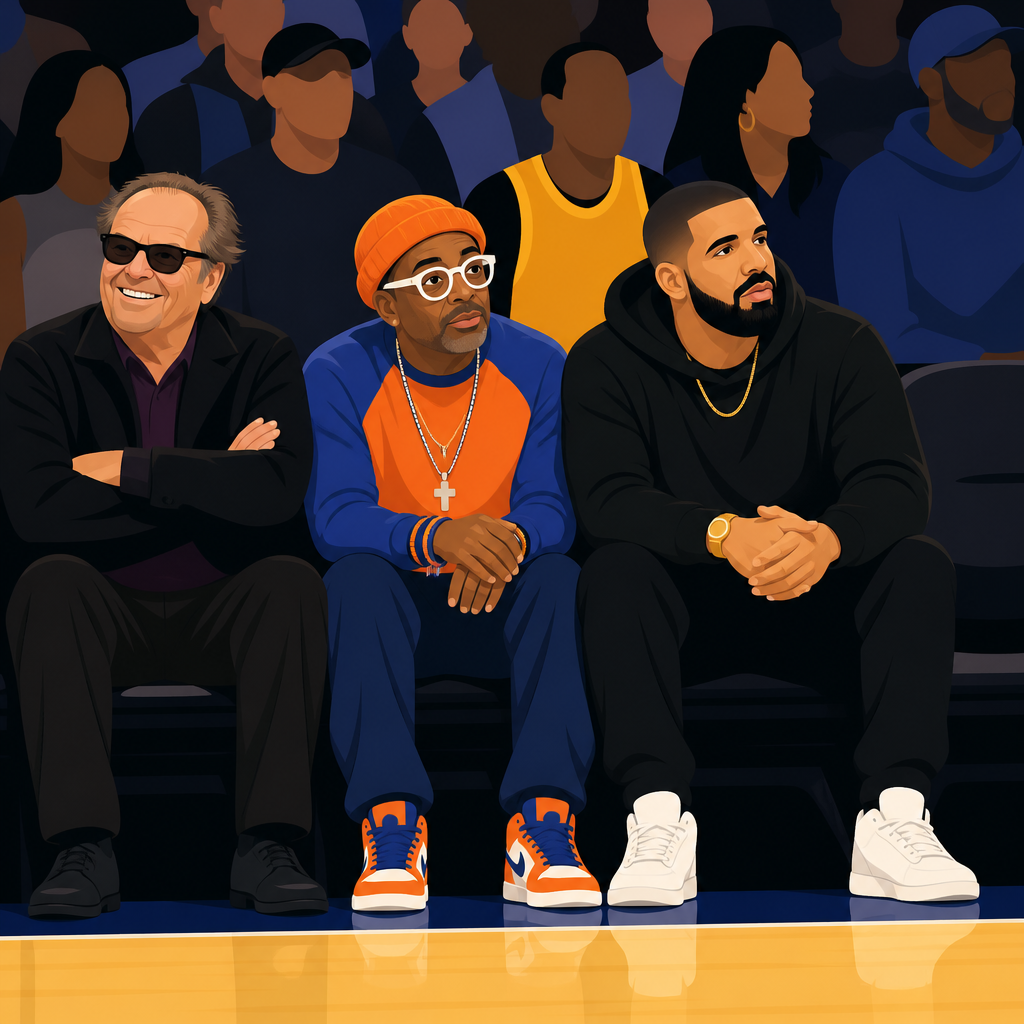
That matters because the NBA has long positioned itself differently from other major leagues. Its players are more individually visible, its arenas place spectators near the floor, and its television presentation rewards reaction shots, sideline access, and celebrity recognition. A Lakers game with Jack Nicholson, a Knicks game with Spike Lee, or a Raptors era defined partly by Drake feels distinct before the opening possession. Those figures become shorthand for place, attitude, and ambition. They also create connective tissue across the broader player culture landscape, linking fan identity to fashion, music, endorsement strategy, media storytelling, and athlete branding.
This hub article explains how famous NBA celebrity fans fit into player culture as a whole. It covers iconic team-fan relationships, why courtside presence matters commercially, how players interact with celebrity supporters, and what these dynamics reveal about the modern league. It also works as a gateway to deeper subtopics within NBA culture: tunnel style, sneaker influence, social media performance, agent and brand ecosystems, arena rituals, and the business of visibility. If you want to understand why the NBA feels culturally central well beyond the court, celebrity fandom is one of the clearest starting points.
Why celebrity fans matter in NBA player culture
Celebrity fandom matters because it changes the meaning of attendance. In most sports, fans watch the game. In the NBA, especially from the 1980s onward, fans also watch who is watching. Broadcast directors cut to courtside seats because those faces provide social proof. When a famous actor, director, rapper, or designer shows up consistently, that attendance signals that the game is an event worth prioritizing. It raises perceived importance for casual audiences and sponsors alike.
Player culture is the ideal lens here because NBA athletes operate inside a visibility economy. Their clothes entering the arena can trend before the first quarter. Their pregame handshakes with musicians become content. Their reactions to celebrity support shape how the public reads confidence, cool, and hierarchy. A star player embraced by culturally powerful fans seems larger than local fandom alone. The relationship is reciprocal: celebrities gain authenticity and proximity to elite competition, while players and teams gain amplification.
This is also why courtside culture should not be reduced to glamour. It influences business outcomes. Premium seating is tied to sponsorship hospitality, media coverage, and luxury brand positioning. Networks know celebrity-heavy games hold attention longer. Teams use recognizable supporters in social content, arena intros, and merchandise storytelling. In practice, a committed celebrity fan can function like an unofficial ambassador, but one with more emotional resonance than a formal spokesperson.
Jack Nicholson and the Lakers blueprint
Jack Nicholson is the archetype of the NBA celebrity fan because his Lakers loyalty never felt rented. For decades, he occupied a familiar courtside seat at what was once the Forum and later Staples Center, now Crypto.com Arena. He was not there as background decoration. He became part of the visual language of Lakers basketball, especially during the Showtime era and the Kobe Bryant years. Broadcasters referenced him automatically. Opponents noticed him. Fans expected to see him on major nights.
What made Nicholson’s presence powerful was consistency. He represented Hollywood, but more importantly, he represented long-term attachment. That distinction matters in player culture. Audiences can spot opportunism quickly. Nicholson’s fandom felt earned because he showed up through eras, rosters, and ownership transitions. He interacted with referees, celebrated big plays, and carried the same edge the Lakers wanted to project: confidence, theatricality, and star power without apology.
The Lakers were uniquely positioned to benefit from this. Their brand already blended basketball excellence with entertainment-industry prestige. Nicholson intensified that mix. A courtside shot of him laughing during a fast break or glaring during a late-game call reinforced the idea that Lakers games were not merely contests but major cultural events. That image helped establish the template other franchises later pursued: cultivate a recognizable front row, tie the team to local creative industries, and make attendance itself part of the product.
Spike Lee and the Knicks as a New York performance
If Nicholson embodied old Hollywood permanence, Spike Lee represented something grittier and more participatory. His identification with the New York Knicks became inseparable from Madison Square Garden itself. Lee was not simply present; he was active, vocal, and unmistakably invested. He wore the team’s colors, argued calls, celebrated drama, and translated the emotional volatility of Knicks fandom into a single familiar figure. For national viewers, Spike Lee became a living expression of New York basketball energy.
His role mattered because the Knicks have often been as culturally significant as they have been competitively inconsistent. Through strong years and disappointing ones, Madison Square Garden retained symbolic weight. Lee helped preserve that aura. He connected the team to New York film, street style, and civic identity. During playoff runs, his visibility amplified the idea that the Garden was basketball’s biggest stage. During lean stretches, his loyalty communicated that the franchise still mattered beyond the standings.
Lee also showed how celebrity fandom can become part of rivalry theater. His sideline exchanges with opposing players, most memorably Reggie Miller, entered NBA mythology. Those moments made the arena feel like a live drama with recurring characters rather than a sealed sporting event. In player culture terms, Lee demonstrated that celebrity fans can influence atmosphere, storyline, and memory without ever taking a shot. He turned fandom into performance, and the Knicks benefited from every camera cut.
Drake, the Raptors, and the global social era
Drake represents a newer model: the celebrity fan as integrated brand partner, digital amplifier, and global connector. As the Toronto Raptors grew from a regional franchise into a championship organization with international cachet, Drake’s role became increasingly visible. His official title as global ambassador formalized what many teams sought informally. He appeared in promotional campaigns, helped shape alternate uniforms and OVO-branded aesthetics, stood near the bench during games, and projected the Raptors to audiences that might not otherwise follow the team closely.
His importance cannot be understood apart from timing. Drake’s rise coincided with the social media era, streaming culture, and the NBA’s increasingly global audience. Every courtside reaction could become a meme. Every player interaction could circulate instantly. During the Raptors’ 2019 title run, Drake functioned like a secondary broadcaster of emotion, confidence, and local pride. That visibility was valuable because Toronto needed cultural scale to match its basketball ambitions and geographic uniqueness as the league’s lone Canadian franchise.
There were tradeoffs. High visibility invites criticism, and some observers felt Drake’s courtside behavior occasionally overshadowed the game. That tension is instructive. Celebrity fandom works best when it extends team identity rather than replacing it. In Toronto’s case, the balance generally held because the Raptors paired the spectacle with substance: strong management, player development, and championship credibility. Drake amplified a serious basketball project. He did not create it from nothing.
How courtside culture shapes players, brands, and media
Courtside culture influences multiple layers of player culture at once. First, it affects athlete branding. A player photographed greeting Jay-Z, Kendall Jenner, or LeBron James from the sideline gains a prestige signal that travels online. Second, it affects fashion because the walk from tunnel to locker room now functions like a runway, documented by Getty Images, team photographers, House of Highlights, Bleacher Report, and GQ-style coverage. Third, it affects media framing. Producers and writers use celebrity attendance to elevate a regular-season matchup into a larger cultural moment.
I have seen this most clearly during nationally televised games, where arena energy changes as soon as well-known figures arrive. Team social staffs pivot coverage toward arrivals, tunnel videos, and courtside reactions. Players often know who is in the building, especially when that person has an established relationship with the franchise. This does not necessarily alter basketball decisions, but it does alter ambience, and ambience matters in a league built on personality.
| Celebrity fan | Primary team link | Cultural effect | Player culture connection |
|---|---|---|---|
| Jack Nicholson | Los Angeles Lakers | Turned courtside attendance into Hollywood symbolism | Reinforced star identity and event prestige |
| Spike Lee | New York Knicks | Made fandom part of rivalry storytelling | Connected players to city attitude and theater |
| Drake | Toronto Raptors | Extended team reach through music and social media | Linked athletes to global branding and digital culture |
From a business perspective, this ecosystem supports premium ticket pricing, partnership sales, and content distribution. Brands want proximity to visible moments. Luxury labels dress players partly because pregame visibility has measurable reach. Teams want celebrity supporters who feel organic to the market because authenticity travels better than one-off cameos. The strongest examples are rooted in place: Nicholson in Los Angeles, Lee in New York, Drake in Toronto.
The wider player culture hub: fashion, music, loyalty, and influence
Celebrity fans sit at the center of a much wider player culture map. The same ecosystem includes tunnel fashion, signature sneakers, off-court friendships, podcast appearances, offseason workouts, and social media identity. These elements feed one another. A musician attends a game, posts a courtside photo, appears with a player after the final buzzer, references that athlete in a lyric, and then shows up in a tunnel fit wearing a collaborative sneaker. None of those moments are random. Together they form the contemporary NBA cultural machine.
For readers exploring the full NBA Culture subtopic, this page is the hub because celebrity fandom opens the door to the rest. If you are studying player fashion, start with tunnel coverage and stylist relationships. If you are studying athlete branding, look at signature shoe campaigns and player-owned media. If you are studying loyalty and city identity, compare franchises with deeply rooted celebrity fans to those with more transactional courtside scenes. If you are studying media influence, examine how ESPN, TNT, social platforms, and team channels package these images into repeatable narratives.
The key principle is simple: in the NBA, culture is not decoration layered onto basketball after the fact. It is part of the product, part of the business, and part of the way players build lasting public identities. Famous NBA celebrity fans help audiences read that culture quickly. They give teams recognizable faces, give broadcasts instant context, and give players another stage on which status is displayed and interpreted. To understand modern basketball fully, follow the courtside seats, then follow the connections outward into fashion, music, media, and city identity. That is where player culture becomes visible. Explore those related topics next, and the larger picture of NBA culture will make much more sense.
Frequently Asked Questions
Why are celebrity NBA fans like Jack Nicholson, Spike Lee, and Drake such a big part of basketball culture?
Celebrity NBA fans matter because they help turn games into cultural events rather than just sporting contests. Someone like Jack Nicholson became inseparable from the Los Angeles Lakers experience, especially during the Showtime era and beyond, because his courtside presence reinforced the team’s Hollywood identity. Spike Lee did something similar for the New York Knicks, bringing a filmmaker’s energy, a superfan’s loyalty, and a very public emotional investment that made Madison Square Garden feel even more theatrical. Drake, meanwhile, represents a more modern version of celebrity fandom, where music, branding, social media, and team affiliation all blend together in a highly visible way around the Toronto Raptors.
What makes these figures so influential is that they are not just famous people sitting near the floor. They shape how teams are perceived by national and global audiences. Broadcasters mention them, cameras cut to them in big moments, and their reactions become part of the live entertainment. Over time, they contribute to a franchise’s mythology. The Lakers look more glamorous with Nicholson in the building. The Knicks feel more dramatic and emotionally charged with Spike Lee involved. The Raptors gain an international pop-culture edge through Drake’s presence. In that sense, celebrity fans are part of the NBA’s storytelling machine, helping define the atmosphere, image, and emotional tone surrounding teams and marquee games.
What exactly is “courtside culture” in the NBA?
Courtside culture refers to the wider ecosystem of style, status, visibility, and influence that surrounds NBA games, especially in high-profile markets and during major matchups. It includes the celebrities in premium seats, the pregame tunnel fashion, the courtside conversations between athletes and entertainers, the instant social media reactions during and after games, and the way television broadcasts highlight not just the action on the floor but also the personalities around it. In the NBA, the arena is more than a competitive venue. It is also a stage where sports, music, film, fashion, and celebrity identity intersect.
This culture has grown because the NBA is uniquely personality-driven. Players are visible, expressive, and marketable in ways that fit naturally with modern entertainment culture. Fans do not just follow scores and standings; they follow outfits, friendships, rivalries, endorsements, and public moments. Courtside culture captures all of that. It is why tunnel walks are covered like fashion shows, why a celebrity’s reaction can go viral, and why certain seats carry symbolic importance. It also explains why being seen at a game can be a statement of allegiance, taste, relevance, or influence. In practical terms, courtside culture helps the NBA stand apart from many other leagues by making the entire event feel connected to a larger world of style, fame, and cultural conversation.
How did Jack Nicholson become so closely associated with the Los Angeles Lakers?
Jack Nicholson became an iconic Lakers figure because his fandom was both long-term and highly visible. For decades, he was a familiar presence at courtside, often sitting in the same premium area and becoming part of the visual language of Lakers broadcasts. As one of Hollywood’s most recognizable actors, Nicholson fit perfectly with the image the Lakers projected: star power, glamour, confidence, and big-stage drama. During championship runs and major playoff moments, his reactions were frequently shown on television, which helped cement the idea that a Lakers game in Los Angeles was as much a celebrity event as it was a basketball event.
His importance goes beyond simple attendance. Nicholson came to symbolize continuity across different Lakers eras, from Showtime to Kobe Bryant’s championship teams and beyond. He gave the franchise a kind of cultural anchor, someone who reflected the team’s identity without overshadowing it. Fans and media alike began to see him as part of the Lakers environment itself, much like Madison Square Garden and Spike Lee became linked in the public imagination. That association matters because sports brands are built not only on wins and losses, but also on recognizable symbols, rituals, and personalities. Nicholson’s courtside loyalty helped reinforce the Lakers as basketball royalty with unmistakable Hollywood credibility.
Why is Spike Lee’s relationship with the Knicks so significant to NBA fandom?
Spike Lee’s connection to the Knicks is significant because it represents one of the clearest examples of a celebrity fan becoming an authentic extension of a team’s emotional identity. He is not merely known for attending games; he is known for caring deeply, reacting loudly, and wearing his allegiance openly through triumph and disappointment. That consistency is a major reason his fandom resonates. Many celebrity-team relationships feel promotional or occasional, but Spike Lee’s attachment to the Knicks feels personal, historic, and deeply rooted in New York itself.
His presence also helped turn Knicks games into part of the city’s broader cultural theater. As a filmmaker associated with New York storytelling, style, and energy, Spike Lee brought extra narrative weight to the team’s biggest moments. His sideline interactions with players, referees, and opposing stars became part of NBA lore, especially during the intense 1990s rivalries. More broadly, he showed how fandom can become part of a public identity. He did not just support the Knicks from a distance; he embodied the passion, frustration, pride, and resilience many Knicks fans felt. That made him one of the most memorable celebrity supporters in sports and a central figure in the conversation about how fans can shape a franchise’s cultural presence.
How has Drake changed the modern idea of NBA celebrity fandom and team branding?
Drake represents a newer, more interconnected model of celebrity NBA fandom, where support for a team is tied not only to attendance but also to branding, media strategy, fashion influence, and global visibility. His relationship with the Toronto Raptors has gone far beyond being a famous fan in a good seat. Through his public role with the franchise, his sideline presence, his interactions with players and coaches, and his massive online reach, he helped elevate the Raptors’ profile in ways that aligned with the NBA’s global ambitions. He made the team feel connected to music culture, youth culture, and international celebrity in a very direct way.
What sets Drake apart is how naturally he fits into the digital era of sports entertainment. His reactions become memes, his outfits become talking points, and his courtside behavior becomes part of the postgame conversation. Whether people love that or criticize it, the result is the same: attention. That attention can benefit a franchise by expanding its relevance beyond local fans and traditional basketball audiences. Drake’s Raptors association showed that celebrity fandom today can function as a marketing asset, a social media engine, and a cultural amplifier all at once. It also highlighted how modern NBA teams increasingly operate as lifestyle brands, with courtside figures playing a meaningful role in how those brands are seen around the world.