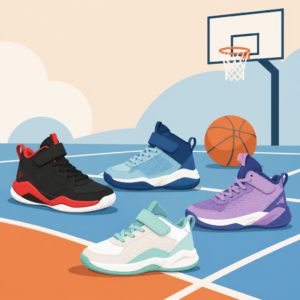

Finding the best basketball shoes for kids and youth players starts with understanding what young athletes actually need on the court: secure fit, dependable traction, stable cushioning, and enough durability to survive constant practices, games, and playground sessions. Youth basketball footwear is not simply a smaller version of adult performance shoes. Children move differently, grow quickly, and often play on varied surfaces, from polished school gyms to dusty community centers and outdoor blacktop. A good shoe helps them plant, cut, sprint, and land with more confidence while reducing common problems such as heel slip, blisters, and foot fatigue.
When parents search for the best basketball shoes for kids, they usually want direct answers to practical questions. Should a child wear high tops or low tops? How much cushioning is enough? Is an expensive signature model worth it for a ten-year-old? In my experience fitting youth players and evaluating shoes across full seasons, the right answer depends less on marketing and more on age, body size, skill level, court surface, and foot shape. A lightweight guard who plays twice a week indoors may need something very different from a bigger middle school post player who also practices outside every weekend.
This footwear hub covers the essentials so families can make smarter buying decisions and know what to look for in deeper reviews. It explains key features, compares common shoe types, and highlights how fit, support, materials, and maintenance affect performance. It also serves as a foundation for related footwear topics such as indoor versus outdoor basketball shoes, sizing advice, ankle support, orthotic compatibility, and budget-friendly models. If you want one clear starting point for youth basketball footwear, this article is it.
What makes a good basketball shoe for kids and youth players
The best youth basketball shoes combine four performance basics: traction, containment, cushioning, and fit. Traction is the pattern and rubber compound on the outsole that grips the floor during stops and direction changes. Containment refers to how well the upper, laces, heel counter, and sidewalls keep the foot from sliding inside the shoe. Cushioning absorbs impact during jumps and hard landings, but too much softness can feel unstable for smaller players. Fit is the foundation of everything. Even a well-reviewed shoe performs poorly if it is too long, too narrow, or too loose through the heel.
For kids, the balance between these elements matters more than any single feature. A shoe with excellent cushioning but weak containment can create instability. A stiff, highly supportive shoe can feel secure, yet may be too heavy for a younger player still developing coordination. Most youth players do best in shoes with moderate cushioning, flexible forefoot movement, and a structured heel. Models built on broad bases with outriggers often feel especially stable for beginners because they make side-to-side movements more predictable.
Durability also deserves more attention than many buyers give it. Youth players drag toes, stop hard, and use one pair across practices, games, and recess. Look for reinforced toe caps, substantial outsole rubber, and uppers that do not stretch excessively after a few weeks. Brands like Nike, adidas, Under Armour, New Balance, Puma, and Jordan Brand all produce strong youth options, but performance varies more by model than by logo.
How to choose basketball shoes by age, position, and playing style
Age is a practical starting point because younger children usually need simpler, more forgiving designs. Elementary-age players often benefit from easy-entry shoes with wide openings, secure heel padding, and straightforward lacing systems. At this stage, comfort and basic grip matter more than advanced cushioning technology. Middle school players usually start moving faster, planting harder, and noticing differences between responsive and plush rides. That is when outsole bite, forefoot support, and lateral containment become more important.
Position can help narrow the field, but it should not be treated as a strict rule. Guards often prefer lighter shoes with responsive cushioning and quick-feeling traction. Wings usually need a balanced setup that can handle perimeter movement and rebounding traffic. Bigger forwards and centers often appreciate a more stable chassis, wider platform, and stronger impact protection. Still, many youth players switch positions constantly, so all-around performance is usually a safer choice than a highly specialized shoe.
Playing style tells you even more. A player who relies on speed and sharp cuts needs dependable grip and minimal dead space around the midfoot. A player who attacks the rim and lands in traffic needs impact absorption and heel stability. A child with a history of heel pain may need firmer underfoot support and better insole compatibility. Outdoor use changes the equation again because thin indoor outsoles wear down quickly on asphalt. For families buying only one pair, a durable outsole with a versatile traction pattern is often the smartest compromise.
| Player profile | Best shoe traits | Why it works |
|---|---|---|
| Beginner ages 7 to 10 | Comfortable fit, wide base, simple lacing, moderate cushioning | Supports basic movement patterns without feeling bulky or complicated |
| Quick guard | Strong traction, low-to-medium weight, responsive forefoot, secure heel | Helps with fast stops, changes of direction, and court feel |
| All-around wing | Balanced cushioning, reliable containment, durable outsole | Handles mixed responsibilities on both ends of the floor |
| Bigger post player | Stable platform, impact protection, strong lateral support | Improves comfort and control during rebounding and physical play |
| Indoor and outdoor use | Thicker rubber, durable upper overlays, versatile tread | Extends shoe life across multiple court surfaces |
Fit, sizing, and foot shape: the details that matter most
If there is one rule I trust after seeing countless youth shoe problems, it is this: never buy basketball shoes too large in hopes of “growing into them” during the season. Extra length changes where the foot bends, increases heel slip, and can cause toe jamming when a player stops suddenly. For most kids, a thumb’s width is too much space for a performance fit. A better target is roughly a finger’s breadth or slightly less at the front, with the heel held firmly in place when laced.
Foot shape matters just as much as length. Some shoes run narrow through the toe box, while others fit high-volume feet better. New Balance is often strong for wider youth feet, while certain Nike and Jordan models can feel more tapered in the forefoot. If a child has flat feet, the issue is not automatically “needing arch support” from a marketing label. What usually helps is a stable platform, secure midfoot wrap, and enough room for an insole if one is prescribed by a podiatrist or sports medicine professional.
Socks affect fit more than people expect. Basketball socks are usually thicker than everyday socks, so always try shoes on with game-style socks. Lace pressure should feel even from forefoot to ankle without pinching the top of the foot. During a fit test, have the player jog, stop, backpedal, and make a few hard cuts. If the heel lifts, the toes slam the front, or the foot spills over the sidewall, move on. Those problems rarely improve after break-in.
Traction, cushioning, and support: what actually helps on court
Traction is the most immediately noticeable performance feature because kids feel it on the first hard stop. Multidirectional patterns, herringbone variations, and radial designs can all work well if the rubber compound is solid and the grooves are deep enough to resist dust buildup. Indoor players should prioritize bite on hardwood, while outdoor players need thicker, more abrasion-resistant rubber. A shoe that grips well indoors but shreds on concrete is not versatile, no matter how good it looks.
Cushioning should match the player, not the advertisement. Younger and lighter athletes often do well with EVA or compression-molded foam setups that feel predictable and low to the ground. Heavier or more explosive youth players may benefit from more substantial heel cushioning. Technologies such as Nike Air, adidas Bounce, adidas Lightstrike, Under Armour Micro G, and Puma ProFoam each deliver different ride characteristics, but naming the foam matters less than understanding whether the underfoot feel is stable, responsive, or overly soft.
Support is frequently misunderstood. High tops do not automatically prevent ankle injuries, and low tops are not inherently unsafe. What matters more is lockdown: heel counter structure, midfoot security, lateral sidewall support, and outsole width. Research in sports medicine has not shown that collar height alone eliminates sprains. In practical terms, a well-fitting low or mid-cut shoe with strong containment often performs better than a sloppy high top. For youth players, I usually prioritize stable geometry and proper fit over collar height every time.
Materials, construction, and durability for a full season
The upper materials in youth basketball shoes affect breathability, break-in time, support, and long-term shape retention. Mesh and knit uppers reduce weight and improve ventilation, which helps during long tournaments and summer sessions. Synthetic overlays add structure and resist stretching. Leather or leather-like panels can improve durability, especially around the toe and eyestay, but they may need more break-in. The best youth models usually blend breathable textile with targeted reinforcements rather than relying on one material alone.
Construction quality shows up in places many buyers overlook. Check how firmly the heel counter holds its shape when pressed. Look at whether the outsole wraps slightly up the side for lateral stability. Inspect high-wear areas such as the toe drag zone and medial forefoot. A shoe intended only for occasional gym use may be fine for a recreational player, but it can fail quickly under a travel team schedule with three practices and two games each week. Outsole separation, flattened foam, and torn lace loops are common failure points.
For value, think in cost per month rather than shelf price alone. A seventy-dollar pair that lasts six months of heavy use can be a better purchase than a fifty-dollar pair that loses grip or structure in eight weeks. Parents should also remember that young players often rotate between school, practice, and weekend play. If one shoe has to do all of that, durable rubber and a resilient upper are worth paying for.
Best types of basketball shoes for different youth needs
Not every family needs the same category of shoe. Entry-level team models are usually the best starting point because they offer balanced performance at reasonable prices. These shoes often skip premium branding extras and focus on practical essentials such as dependable traction, stable foam cushioning, and durable uppers. For many youth players, that is the sweet spot. Signature models can be excellent, but they sometimes include design choices inspired by pro preferences rather than youth needs, such as very low rides, narrow lasts, or heavier builds.
For players who train mostly indoors, prioritize grip and a smoother transition underfoot. For outdoor-heavy use, choose shoes with dense rubber and less exposed foam. Multi-sport kids may want a more forgiving all-around basketball shoe instead of a highly specialized court-feel model. Players with foot pain, past ankle issues, or orthotic needs should look for removable insoles, moderate internal volume, and structured midsoles. Those practical details are often more important than colorways or athlete endorsements.
This hub is the starting point for the wider footwear topic under basketball equipment. From here, readers should explore focused guides on indoor basketball shoes, outdoor basketball shoes, wide-fit youth models, budget basketball shoes, ankle support, shoe sizing, and basketball sock pairing. Taken together, those topics help families move from a general understanding of footwear to a precise choice that fits the player’s body, role, and schedule.
Common mistakes parents make when buying youth basketball shoes
The biggest mistake is choosing by appearance first and performance second. Kids naturally care about style, and that is reasonable, but traction and fit determine whether the shoe helps or hinders them on court. Another common error is buying one or two sizes up to save money. That usually leads to instability, awkward movement, and faster material breakdown because the foot is sliding instead of being held in place.
Parents also often overvalue ankle collar height while undervaluing containment and outsole shape. A mid or low cut shoe with a broad base, solid heel counter, and secure lacing can be safer in practice than a high top with poor lockdown. Finally, many families ignore court surface. Indoor models used outdoors wear down quickly, especially around the forefoot and edges of the traction pattern. Matching the shoe to the actual playing environment is one of the easiest ways to get better value and performance.
The best basketball shoes for kids and youth players are the ones that fit correctly, match the player’s movement style, and hold up through the realities of a season. There is no universal perfect model, but there is a reliable buying process. Start with fit, then evaluate traction, containment, cushioning, and durability in that order. Think about age, foot shape, position, and court surface before worrying about signature names or trend-driven features. That approach consistently leads to better outcomes for young athletes.
As the footwear hub within basketball equipment, this page gives you the framework needed to make smarter decisions and to explore the subtopics that matter most, from indoor versus outdoor shoes to wide-fit options and budget picks. Good basketball shoes will not create skill, but they do support better movement, more comfort, and greater confidence on court. Use this guide as your starting point, then compare specific models with the player’s real needs in mind before buying the next pair.
Frequently Asked Questions
What should parents look for when choosing the best basketball shoes for kids and youth players?
The most important things to look for are fit, traction, support, cushioning, and durability. A good youth basketball shoe should feel secure around the heel and midfoot so the foot does not slide inside the shoe during cuts, stops, and jumps. There should also be enough room in the toe box for comfort, but not so much extra space that the shoe feels sloppy or unstable. For growing players, it is tempting to buy shoes that are much bigger than needed, but oversized shoes can reduce control and increase the risk of blisters or awkward movement.
Traction is another key factor because young players often move between different court conditions. Some play on clean indoor hardwood, others on dusty school floors, and many also wear their basketball shoes outside on blacktop. A shoe with a reliable rubber outsole and a tread pattern that grips well can help kids feel more confident changing direction. Cushioning matters too, but it should be balanced. Youth players usually benefit from soft enough cushioning to stay comfortable through practices and games, while still having enough court feel and stability to move naturally.
Support and structure are especially important for developing athletes. The shoe should help keep the foot centered over the sole during side-to-side movements without feeling overly stiff or heavy. Durable materials also matter because kids are tough on shoes. Toe drag, playground use, and daily wear can break down flimsy pairs quickly. In short, the best basketball shoes for kids combine secure fit, dependable grip, stable comfort, and enough toughness to handle frequent use.
Are basketball shoes for kids different from adult basketball shoes?
Yes, and that difference matters more than many people realize. Kids and youth basketball shoes are not just smaller versions of adult models. Young athletes are still growing, developing coordination, and building movement patterns, so their footwear needs to support those realities. A shoe that works for an adult player may not be ideal for a child if it is too stiff, too heavy, or built around the needs of a stronger, more physically mature athlete.
Youth players often benefit from lighter, more flexible shoes that still offer stability and traction. Their shoes should allow natural movement while helping them stay balanced during the constant stopping, starting, and lateral motion that basketball demands. Since children also tend to play in a wider variety of environments, including school gyms, recreation centers, driveways, and playground courts, youth basketball shoes often need to handle mixed use better than premium adult indoor-only models.
Another difference is growth. Adults usually wear the same size for long periods, but kids can outgrow a pair quickly. That means parents need to think about value and timing without sacrificing proper fit. The best youth basketball shoes account for comfort, ease of wear, and practical durability while still delivering performance benefits. In many cases, a well-designed youth model will serve a young player better than simply buying a scaled-down adult signature shoe based on looks alone.
How should basketball shoes fit growing kids?
A proper fit should feel snug and secure without being tight or restrictive. The heel should stay in place when the child walks or jogs, and the midfoot should feel locked in so the foot does not shift during quick movements. At the same time, there should be a small amount of space in front of the longest toe, generally about a thumb’s width or slightly less, to avoid pressure and allow for natural movement. The shoe should not pinch the sides of the foot or create rubbing around the ankle collar or heel.
One common mistake is sizing up too much in hopes that the child will “grow into” the shoes. While a little extra room can be reasonable, especially for fast-growing kids, going too large can create instability on the court. Shoes that are too big may cause sliding inside the shoe, reduce traction efficiency, and make movements like stopping, pivoting, and jumping feel less controlled. That can affect both performance and comfort.
It is best to try basketball shoes on with the socks the player will actually wear for games or practice. Have the child stand, walk, and if possible perform a few basketball-style movements like small jumps or lateral steps. Pay attention to whether the heel lifts, whether the forefoot feels cramped, and whether the laces or straps help create a secure feel. Since children’s feet grow quickly, checking fit regularly throughout the season is a smart habit. A great basketball shoe only performs well if it fits the athlete wearing it.
Do kids need high-top basketball shoes for ankle support?
Not necessarily. High-top basketball shoes are often associated with ankle protection, but collar height alone does not guarantee better support. What matters more is the overall stability of the shoe, including heel lockdown, midfoot containment, outsole width, and how well the upper keeps the foot centered over the platform. A well-built low-top or mid-top basketball shoe can work extremely well for a young player if it provides secure fit and stable movement.
For many kids, the best choice comes down to comfort and confidence. Some young players like the feel of a higher collar because it feels more secure around the ankle area. Others prefer a lower-cut shoe because it feels lighter and less restrictive. Neither option is automatically better. The goal is to choose a shoe that helps the player move naturally while staying balanced during cuts, landings, and defensive slides.
It is also worth remembering that no basketball shoe can fully prevent ankle injuries on its own. Good footwear can improve stability and reduce slippage, but strength, coordination, conditioning, and proper movement mechanics also play a major role. For most parents, the smarter approach is to focus less on whether the shoe is high-top or low-top and more on whether it offers reliable traction, a secure fit, and stable support for the way the child actually plays.
Can kids use the same basketball shoes for indoor and outdoor courts?
They can, but whether they should depends on how often they play outside and how durable the shoe is. Many youth players move between indoor gyms and outdoor courts, so a versatile basketball shoe can be very practical. If the outsole rubber is durable and the tread pattern is designed to hold up to rough surfaces, the same pair may work reasonably well for both settings. This can be especially helpful for families who want one dependable all-around option instead of buying separate pairs.
That said, outdoor courts are much harsher on basketball shoes. Asphalt and concrete wear down traction faster, especially on shoes with softer rubber or shallower tread patterns. Once the outsole starts to smooth out, indoor grip can suffer too. Dusty community courts and playground use can also expose shoes to more dirt, abrasion, and heat than typical gym sessions. Over time, this can shorten the life of the shoe significantly.
If a child plays outdoors frequently, it is often worth prioritizing durability and outsole toughness over ultra-soft premium materials. Some families even choose one pair for games and indoor practices and another pair for outdoor play. If only one pair is being used, regular cleaning and checking the tread can help extend performance. In general, kids can use the same basketball shoes indoors and outdoors, but the more outdoor use they get, the more important durability becomes.